East Ham lands in the middle, because getting out of it each morning is easy and finding room in it is hard. The average bus stop sees about 25 buses an hour at peak, and about four in ten households run no car at all. Against that, only about a third of homes are owned by the people living in them, and a quarter are officially overcrowded. The timetable is generous. The floor space is not.
Transport is where East Ham earns its keep. The area has 252 bus stops, and the national public transport access data puts an average of 463 weekday departures through each of the 228 stops it holds service figures for, every one of them running at weekends too. The District and Hammersmith & City lines both stop in the centre of East Ham. At the 2021 Census about 9% of working residents commuted by train, 11% by bus and 22% by car, with 21% working from home. Gigabit broadband reaches about 91% of premises and superfast reaches all of them, and every mobile operator offers 4G or 5G across the area. The Department for Transport's modelled times, dated 2019 and so best read as a sketch of the bus network, put the nearest town centre about 13 minutes away by public transport. About 44% of households have no car, and on that bus timetable a car here is mostly something to find a space for.
The community picture is the harder read. Owners and private renters split the place almost evenly, at about 37% each, with social tenants making up about 25%. The median resident is 33. The Office for National Statistics models gross household income at about £62,000 for the financial year to March 2023, averaged across the area's neighbourhoods, and unemployment stood at about 5% at the Census. The government's deprivation index placed East Ham further toward the most deprived end in 2025 than it did in 2019, and about 24% of households count as overcrowded. The terraces were built for one family apiece, and the London housing market has been renegotiating that ever since.
Flooding needs two numbers, because the two measures ask different questions. In the Environment Agency's river-and-sea flood zones, about half of East Ham falls in the highest zone, Zone 3, and about 2% more in Zone 2. That zone describes the land, with the defences along the Thames and the Roding left out of the sum. A second measure counts postcodes on at least one flood indicator, surface water included. On that one, about 8% of postcodes are at high risk, 14% at medium and 66% at low. No part of the area falls inside the Environment Agency's record of historic flood outlines. The zone map and the lived record are describing the same streets from opposite ends of the risk.
Prices follow the terrace. The Land Registry recorded 239 sales in the year to May 2026 at a median of about £430,000. Terraced houses, 178 of those sales, went for a median of about £445,000, flats for about £275,000 across 45 sales, and the 14 semi-detached houses for about £512,500. The house price index had East Ham's average down about 1% over the same twelve months. Council tax is mostly band C, with about 30% of homes in bands A or B. Renting is priced at borough level, where Newham's typical private rent was about £1,920 a month in April 2026, a mean from the Office for National Statistics index and up about 7% on a year earlier.
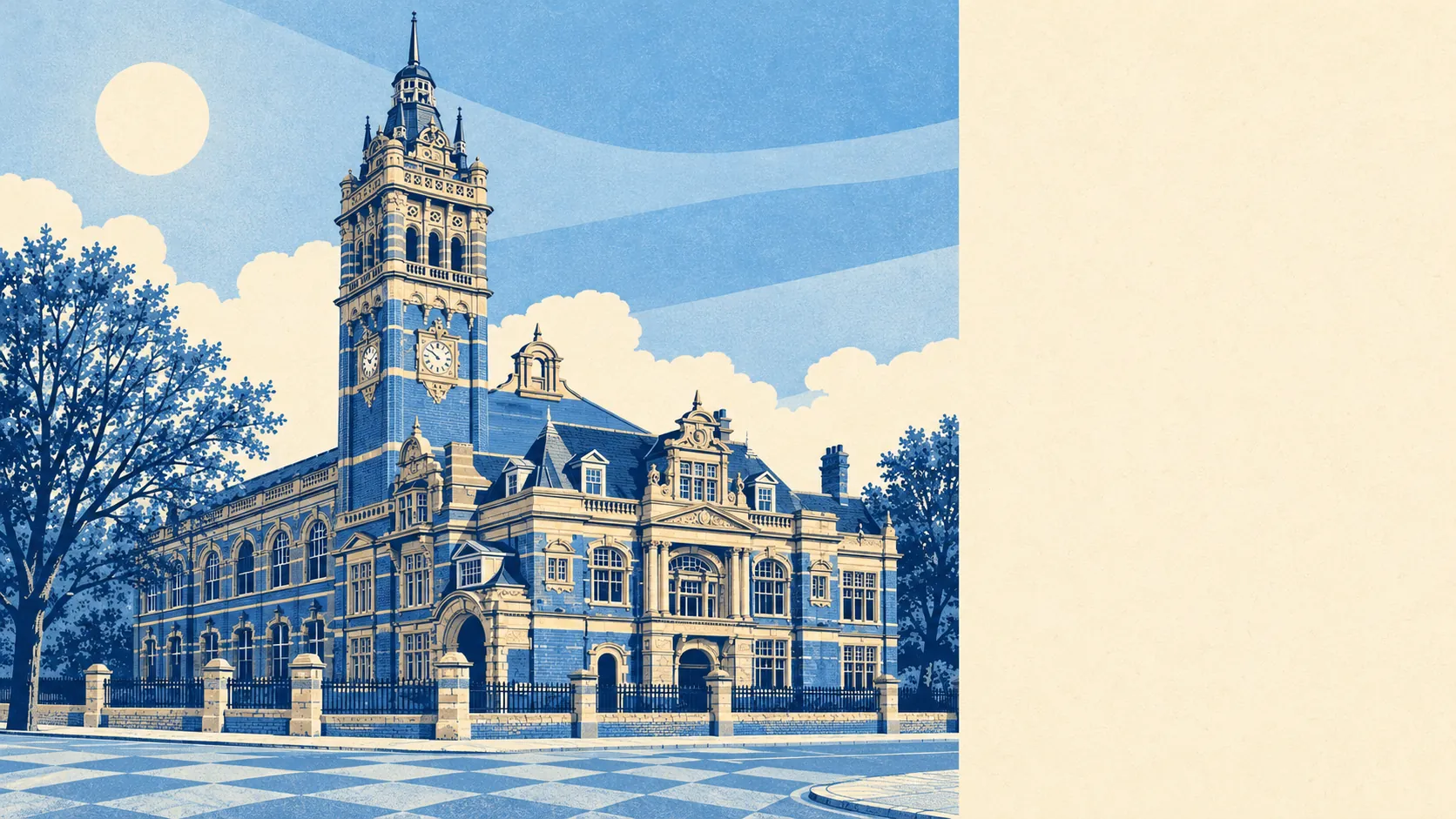
The housing stock is mostly Edwardian brick. On the council-tax valuation list about 55% of homes are terraced and 41% are flats, with semis at about 3% and detached houses at about 1%, and half of everything was built before 1930. East Ham Town Hall went up between 1901 and 1903, so a fair share of the streets around it are the same vintage. Energy certificates put about 47% of certificated homes in bands A to C, 45% in band D and 9% in E or worse. About 73% of homes heat with mains gas and about 10% on electricity alone, a running-cost question for any flat worth asking before a viewing.
Crime runs at a published 133 offences per 1,000 residents in the year to May 2026, about 9% below the Newham figure of 146. Theft from the person makes up about 8% of recorded crime here, against about 2% across England and Wales. The Metropolitan Police charged about 10% of offences force-wide over the same year, against about 12% nationally, a figure for the whole force and not East Ham's own. Below the borough average is a fair description. The mix of what gets taken, and from whom, is what a newcomer notices first.
Heritage is a light hand on the place. The area holds 31 listed buildings, two of them grade I and three grade II*, including the Church of St Mary Magdalene, which dates to the first half of the twelfth century and is claimed to be the oldest parish church still in use in Greater London. Four conservation areas fall in the surrounding patch, East Ham Town Centre and Romford Road among them, and inside those, changes to windows, doors and frontages need the council's agreement. Elsewhere the ordinary permitted development rules apply, and most loft conversions only have to get past next door.
Green space is closer than the density suggests. The average home is about 170 metres from a green space, with about 25 inside a kilometre, and water is about 550 metres away. Central Park and Plashet Park are the two largest, and the churchyard of St Mary Magdalene is kept as a nature reserve, the biggest of its kind in Greater London. Elizabeth Fry, the prison reformer, lived at Plashet House, and Bobby Moore played as a boy on Flanders Field before he went on to captain England. Beckton, south over the A13, is covered here too. Idris Elba and Vera Lynn are also on East Ham's list of former residents, which is a wider range than most high streets manage.
East Ham works for anyone whose week runs on crossing London without a car: first-time buyers after a terrace on a District line budget, renters who need a commute under an hour, and households happy to trade a driveway for a bus every couple of minutes. Buyers who want room to spread out, an owner-occupied street where the neighbours stay put for decades, or a home well clear of a flood map should keep looking east or north.
East Ham is a middling buy carried by its buses and trains, and held back by how many people share each front door. Take it if your days are spent elsewhere in London. Think harder if you plan to spend them at home.