A typical home in East Dulwich sells for about £760,000, and that is the entry fee for streets where the parks and the low crime more or less look after themselves. Half the homes are rented and about four in ten households get by without a car. Most working residents make no commute worth the name. Everything else here is easy. The buying is the hard part.
The Land Registry recorded 340 sales in the year to mid-May 2026, at a median of about £764,000. That median blends two different markets. Flats went for a median of £500,000 across 173 sales, terraced houses for about £970,000 across 119, and the 42 semi-detached houses that changed hands came in at a median of £1,350,000. Six detached houses sold in the whole year, at a median of £1,392,500, so a buyer who wants one is waiting on a short list and a long year. The council tax valuation list is calmer about the place than buyers are. Band C is the most common band, and about 29% of homes are in bands A or B, so the yearly bill is modest for an area where houses trade at these prices.
Renting won't get you out of the expense. The Office for National Statistics puts typical private rent across Southwark at about £2,400 a month as of April 2026, and that borough-wide average takes in Bermondsey and Walworth as well as Lordship Lane. About 27% of East Dulwich households rent privately and about 23% from a social landlord, so the renters are a mixed group and not one type.
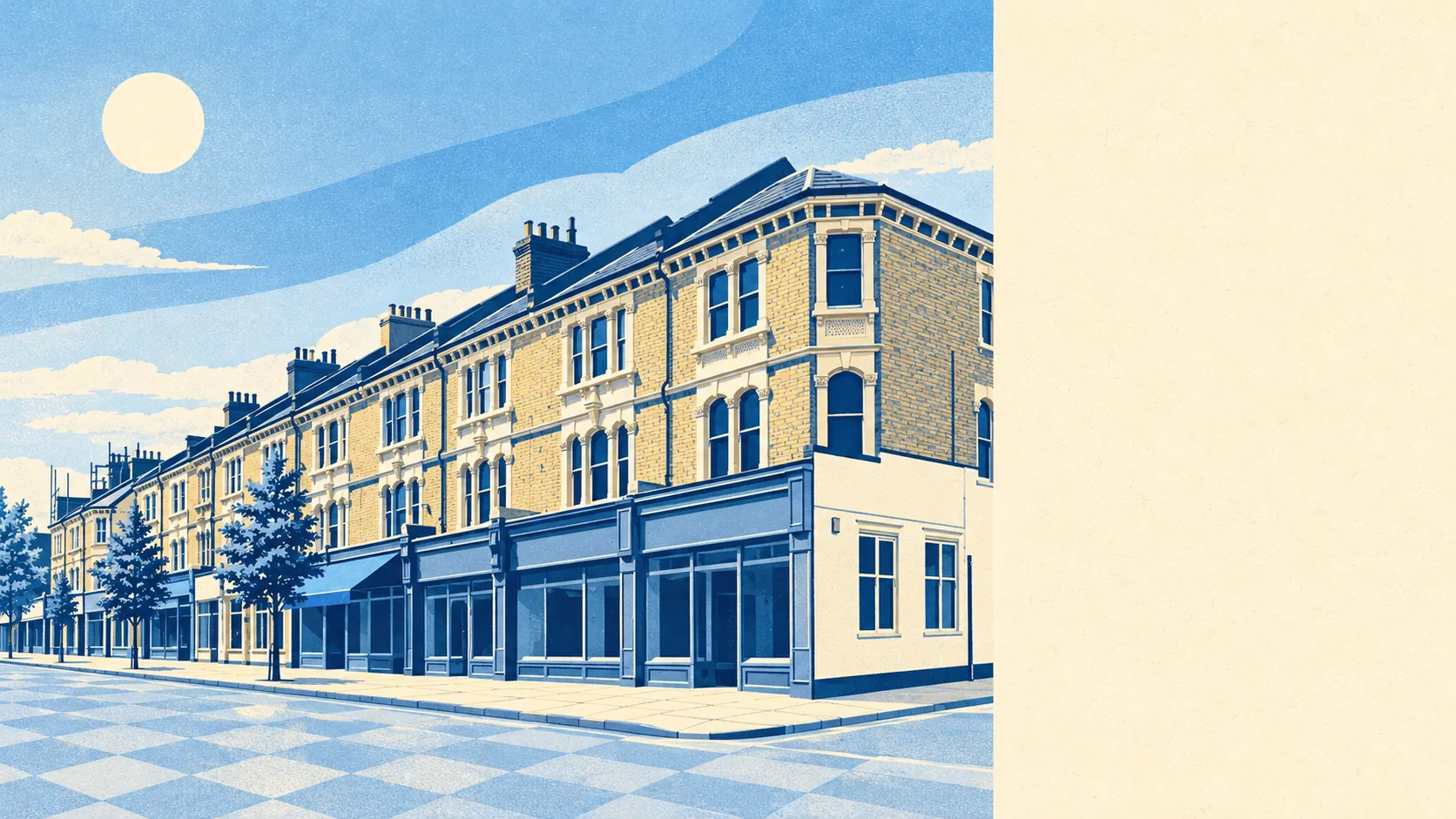
The council tax list gives the full picture of the housing, and it is mostly old and mostly divided. About 58% of dwellings are flats, 26% terraced houses, 11% semi-detached and 2% detached, and about 65% were built before 1930. The energy certificates show what that age costs to heat. About 43% of certificated homes are rated A to C, 45% are D and about 13% are E or worse. Roughly 79% of homes heat with mains gas. Period terraces cut into flats are what most buyers here will actually be viewing, and the draughts come free with the cornicing.
None of East Dulwich is in the Environment Agency's river and sea flood zones. Surface water is a different question. About 30% of postcodes register a high reading on at least one flood indicator that includes surface water, and that kind of flooding comes from the drains after a cloudburst, with no river anywhere in the story.
The Metropolitan Police figures put recorded crime at about 84 per 1,000 residents in the year to May 2026, roughly 47% below the Southwark average. The mix tilts towards things that can be picked up and carried off. Vehicle crime makes up about 12% of incidents against 5% nationally, and theft from the person about 7% against 2%. Violence and sexual offences are about 22% of the total, well under the national share of 35%. Burglars here are opportunists who come for the car and the phone, and the doorstep is mostly left alone.
Altering a home takes more patience than buying one. There are 164 listed buildings in and around the area, four of them Grade II*, and ten conservation areas, including Dulwich Village, Camberwell Grove, Holly Grove and Nunhead Green. Within those boundaries, new windows and roof changes need the council's say-so. The most famous listed building is the Concrete House on Lordship Lane, built in 1873 and believed to be the last surviving example of its kind in England. It came off the Heritage at Risk Register in 2013 after restoration, and was converted to flats, like almost everything else here.
Getting around is easier than leaving would suggest. East Dulwich station runs Southern services to London Bridge, there are 126 bus stops, and the average stop sees about 19 buses in the peak hour. Gigabit broadband reaches about 89% of premises. At the 2021 census only about 4% of working residents took the train to work and about 9% the bus, because around 58% were working from home. The Department for Transport's modelled times, from 2019, put the nearest town centre about 12 minutes away by public transport, though those public transport figures date faster than the walking times.
The people match the prices. About half of households own their homes, the median age is about 36, and the Office for National Statistics models gross household income at around £88,000 for the financial year to March 2023, averaged across the area. About 64% of adults hold a degree. Lordship Lane has to cater for an educated, mid-thirties crowd with a laptop and no car, and it shows on every shopfront.
The outdoors is the best thing about the place. The nearest green space is on average about 110 metres from a front door, and there are around 40 of them within a kilometre. Peckham Rye Park and Dulwich Park are both within reach, and water is about 740 metres away on average. Goose Green was the centre of a hamlet of small farms when Edgar the Peaceful granted the land in 967, and it is still where people go when they leave the house.
East Dulwich works for a couple who rent or buy a flat, work from home and treat the park as a second living room. It works less well for a growing family on an ordinary budget that needs a house. Terraces start near a million, semis run past that, and the green space will be enjoyed from someone else's garden wall. That price is the one hard obstacle, and for anyone who clears it, East Dulwich is a better-than-average place to live, with parks closer than the bus stop.