Yes, if you have made peace with the drive. Dulverton sits in a wooded valley on the edge of Exmoor, at the bottom of a road system that treats speed as a suggestion. Roughly four in ten homes are rented. Most residents are past fifty. Nearly a third work from home, which in a town this far from anywhere is less a lifestyle choice than a structural necessity. It is a good place to live for people who already know what they are trading away.
The housing is older than the national average and heated in ways that will show up on a bill. Across every dwelling on the council-tax valuation list, about a quarter are detached, roughly a quarter are bungalows, about 21% are semi-detached, around 15% are terraced and about 10% are flats. Nearly 40% of the stock was built before 1930, and only around 3% went up between 2000 and 2008, which tells you how much building has happened here in living memory. The energy certificates confirm what the age suggests: about 31% of certificated homes sit at band D and roughly 47% at band E or worse, with only about 22% reaching band C or better. The heating is the part buyers underestimate. Only around 8% of households are on mains gas, and about 20% run on electricity alone. An electrically heated Victorian house on Exmoor is a specific financial experience, and it is better to know that before the viewing than during the first cold snap.
On price, the Land Registry's last twelve months to May 2026 record a median sale of about £224,000 across 13 sales. That headline conceals a wide gap. Detached homes came in at a median of roughly £468,000 across six sales, while flats sat at about £137,000 across five. There is very little middle ground in a town this size, and the median is really just the point where those two markets happen to average out. On council tax, band B is the most common banding and around 39% of dwellings fall into bands A or B, which is a genuinely modest tax profile for a place with this much detached stock in it.
For renters, the Office for National Statistics puts typical private rent across the Somerset area at about £990 a month as of April 2026, up around 4% over the year. That is a county-wide average rather than a Dulverton figure, and in a town with a small rental pool the actual asking rents will scatter around it more than the number implies.
Crime is low and the published rate says so. Police.uk records a rate of about 78 crimes per thousand people over the twelve months to May 2026, which sits roughly 16% below the Somerset average of about 93. Avon and Somerset Constabulary charges in about 11% of cases against a national figure of around 12%, so the enforcement picture is unremarkable in both directions. The total volume here is low enough that a handful of incidents moves the category shares by several points, which is why the mix is worth treating as noise rather than character.
Connectivity is where the town runs out of good news. Nobody commutes by train, because there is no station; the old Dulverton station was over at Brushford and closed to passengers in 1966, and the embankment is still there for anyone who wants to feel wistful about it. About 49% drive to work and roughly 30% work from home, which between them account for most of the working population. Eleven bus stops serve the area, ten of them with published timetables averaging about 12 weekday departures each and all ten carrying a weekend service, which is more than many Exmoor settlements manage. The Department for Transport's modelled journey times put a town centre at about 35 minutes by car and 54 by public transport, a hospital at roughly 57 minutes by car, and employment centres at about 26 minutes by car against 52 by bus. Broadband tells the same story in a different accent: about 98% of premises can get superfast, but only around 1% can get gigabit, and nothing here is below the universal service obligation. Mobile is the quiet win, with about 97% of the area covered by all operators.
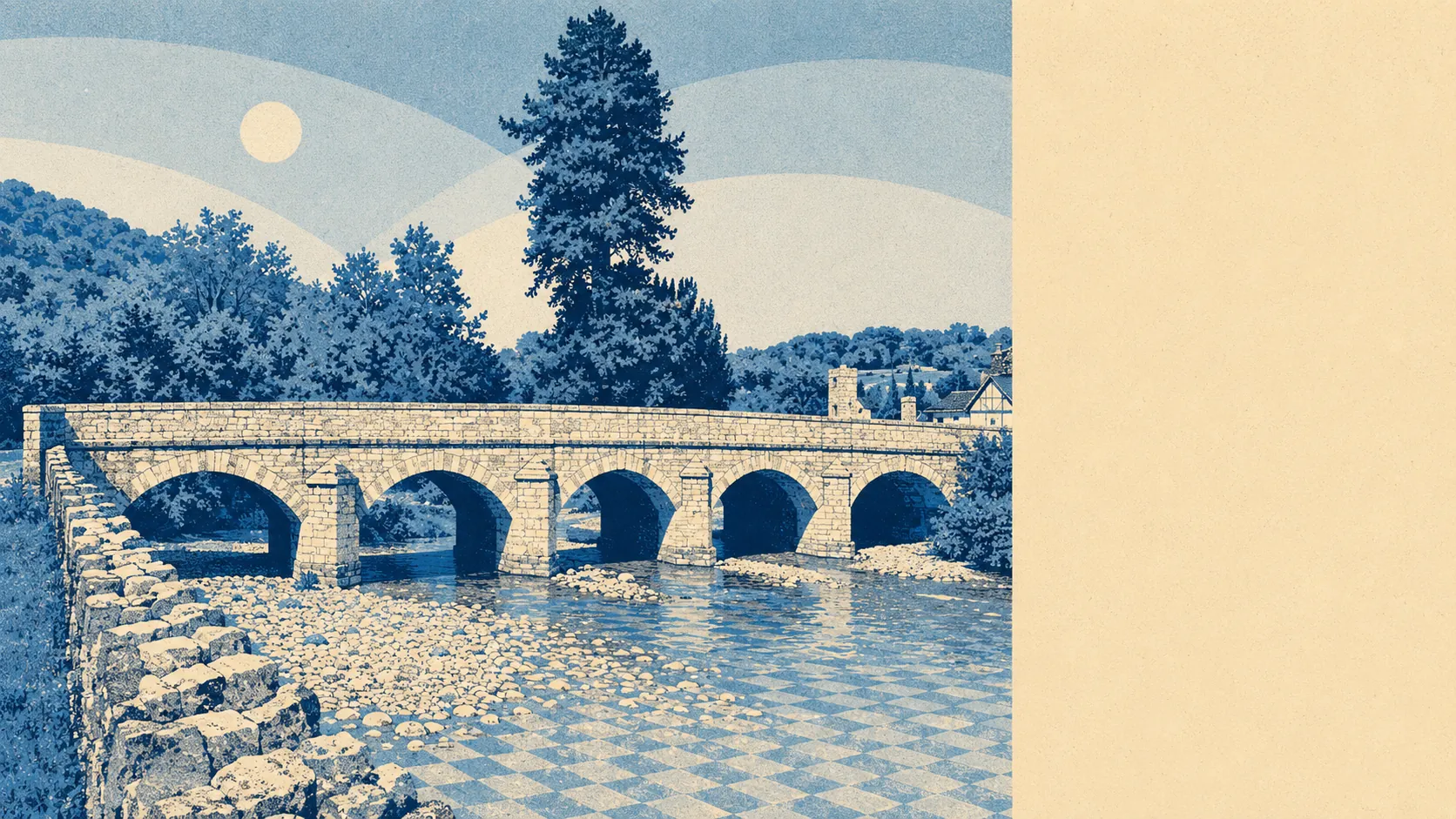
The water is the reason the town exists and the reason a survey matters. The Environment Agency's mapping places roughly 28% of the area in flood zone 3, the highest river-and-sea category, with about 2% in zone 2 and around 15% in the zone that accounts for climate change. On the postcode indicators, which include surface water, about 19% of postcodes carry a high rating on at least one measure and roughly 30% a medium one. Two flood events are on the recorded register, the most recent in August 1952, when the river exceeded its channel capacity. Against that, the green space is genuinely exceptional: open space averages about 120 metres from a postcode with roughly nine sites within a kilometre, and water is about 230 metres away with around 28 features within a kilometre. Radon is worth a mention too, since every postcode here sits in the higher radon bands and testing is the sensible move.
Heritage puts a hand on the tiller if you want to change anything. There are 27 listed buildings in the area, two of them grade two star, alongside one conservation area covering Dulverton itself and two scheduled monuments. Inside the conservation area, windows, doors, render and roof materials stop being your decision alone, and the interesting bit is that the constraint applies to the ordinary houses as much as the listed ones.
The people match the housing. About 56% own their homes, the median age is 58, and household income before tax runs to roughly £46,000. Around 40% of households are a single person and about 24% are a lone pensioner, which shapes everything from the shop opening hours to who is around on a Tuesday afternoon. This page also covers Brompton Regis up on the Brendon Hills, Exebridge where the Barle meets the Exe on the Devon border, and Exton on the river to the north east, all of which are quieter again than the town.
It suits people who work remotely or are past working, who want a real high street with independent shops within walking distance, and who value being inside the national park more than they value being twenty minutes from a motorway. It suits anyone who has already run the numbers on an old house with electric heating and decided the view is worth it.
It does not suit anyone who needs a train, a hospital in under half an hour, or a school run that does not involve a serious drive. It does not suit a buyer who wants a modern, cheap-to-run house, because the stock barely exists here. And it does not suit anyone buying near the water without reading a flood report first, which is a smaller group than it should be.
Dulverton is an average place to live in the way that a hand of cards can average out at average while containing an ace and a two. Its real strength is the setting: the woods, the rivers and the moor are on the doorstep in a way that money cannot buy in most of England. The weak spot is getting anywhere, and it is not a marginal weakness, it is the defining fact of the place. Everything else about living here is a footnote to whether you mind the drive.