Yes, if you can find a house to extend, but expect some paperwork. Most homes in Deptford are flats, and flat owners don't get the freedoms a house owner has. A lot of the older buildings are listed. The ground is clay that shrinks and swells, so foundations need more thought. People still extend here, but rarely on a whim.
Historic England lists 142 buildings in Deptford. One is Grade I, 17 are Grade II* and 124 are Grade II. Listing covers the whole building, inside and out, so almost any change to a listed home needs listed building consent from Lewisham Council as well as any planning permission. That includes replacing windows, moving an internal wall or changing the roof. Most of the listed stock is Grade II, which is the most common grade. Still, 142 is a lot of listed buildings for a place whose old houses were mostly built for the dockyard.
Three conservation areas fall within the wider area mapped around Deptford. Inside one, the council takes a closer interest in anything that changes how a street looks, and works that would be automatic elsewhere can need an application. Lewisham Council's own map shows exactly where each boundary runs, and a house just outside a line can be treated quite differently from one just inside it.
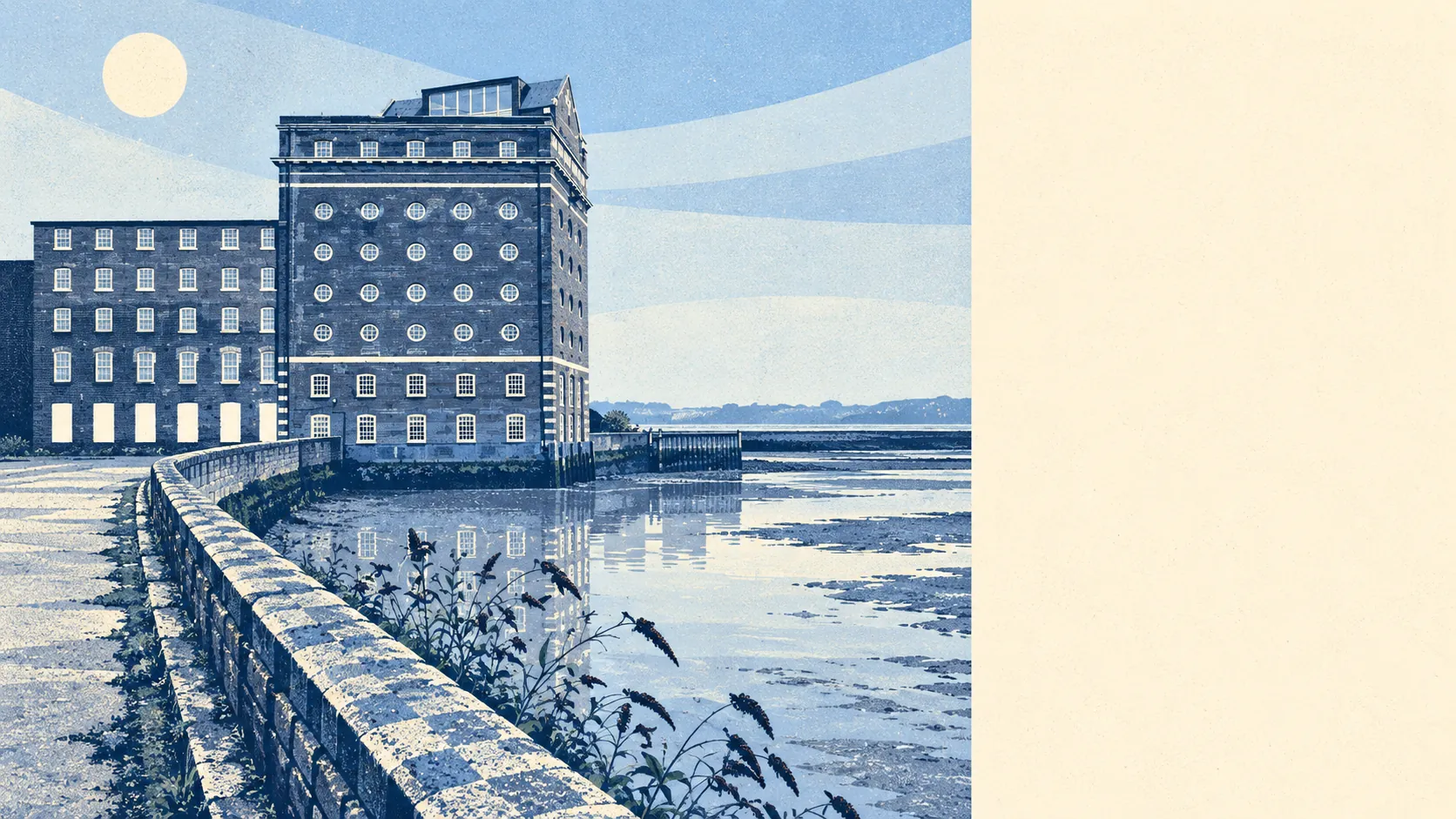
There are 2 scheduled monuments in the area, the strictest tier of heritage protection, and one is the Tudor naval storehouse at Convoys Wharf. Henry VIII's dockyard has left a building you can't touch and a planning system that still takes the past seriously. It matters only if your land is close to one, but it shows how long people have been building here.
The neighbours apply anyway. Lewisham Council's planning register lists 482 applications in Deptford between April 2024 and June 2026, and 210 of them in the most recent twelve months. That shows people are still altering homes here, from loft conversions to rear extensions. It doesn't show how many were approved, so read it as evidence of demand.
The British Geological Survey puts the whole of Deptford in shrink-swell class 3, so all of the area reaches that level. That is a published hazard class, not a rating from this page. It means the clay moves as it gets wetter and drier, and nearby trees make the movement worse. An extension here usually needs deeper foundations than on firmer ground, and a structural engineer should look at it early. This isn't a reason to avoid extending, but foundations will cost more than a builder's first quote suggests.
Two listed buildings in the area are on Historic England's Heritage at Risk register. That means they are in poor condition. Repair may attract grant funding, and it will certainly attract scrutiny. It doesn't affect someone buying an ordinary house nearby. It does mean any work close to those two buildings will be watched closely.
The council-tax valuation list puts flats at about 84% of Deptford's homes and terraced houses at about 12%, so most owners here are thinking about a flat, not an extension. Flats generally need permission for work a house owner could often do without it. A terraced house outside a conservation area and not listed has the most freedom in Deptford, and the planning register suggests plenty of owners are using it. Check the title for restrictive covenants and the planning history for any conditions on the property, because either can limit what you can build.
Your freedom to extend here is limited. An unlisted terraced house outside a conservation area can be extended, though the clay will add cost. Almost any other home here involves listing rules, a conservation boundary or flat ownership, and each adds time and consent.