Yes, you can extend a house in Clanfield, and most owners here face nothing more exotic than the standard planning rules. The village is overwhelmingly post-war stock, which means the great majority of homes carry no heritage restrictions at all. A small number of historic buildings and a single conservation area are the only spots where the rules tighten. For everyone else, an extension is a question of design and neighbours, not of listing officers with strong opinions. This is a straightforward place to bolt on a kitchen or a loft bedroom.
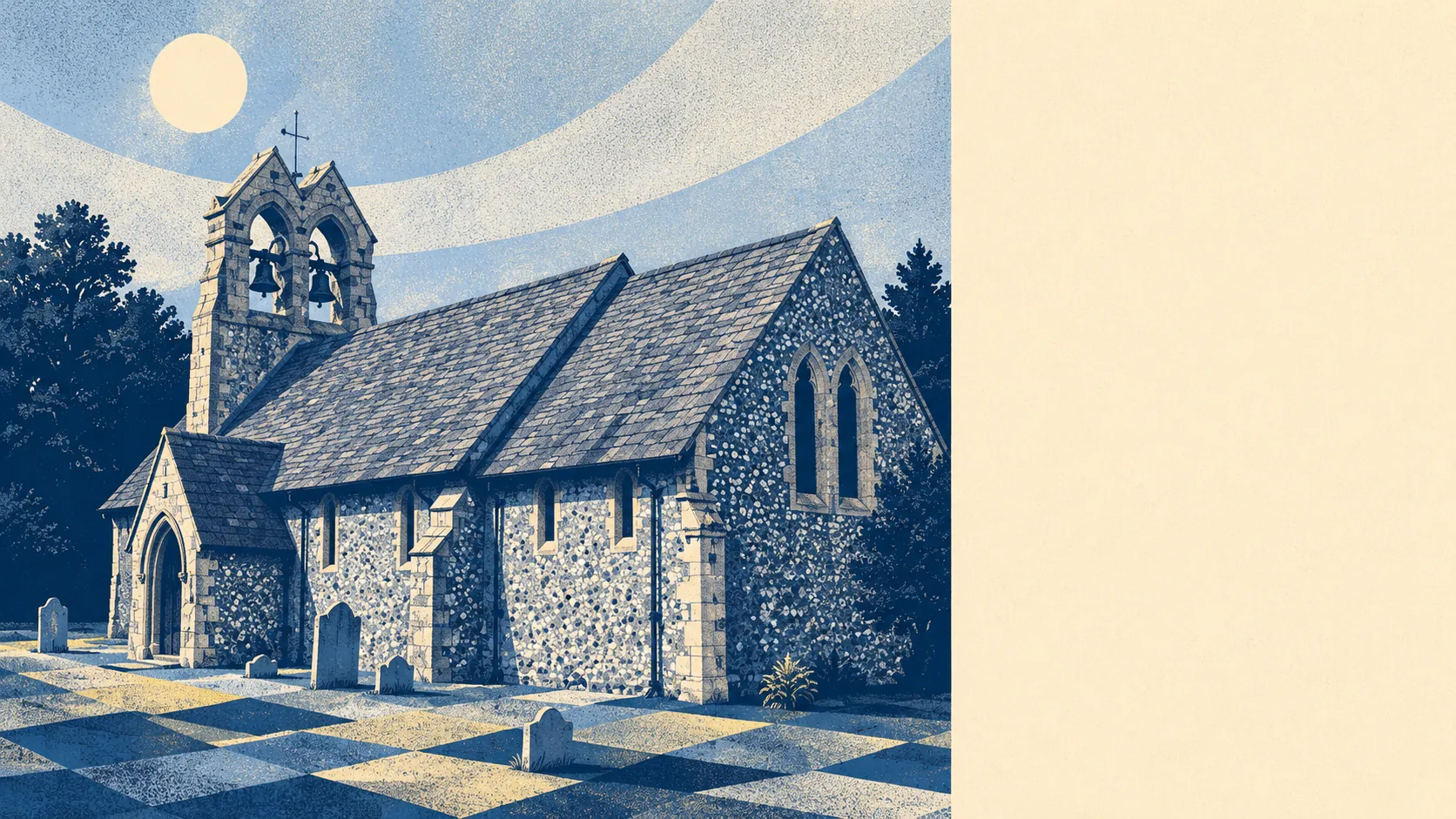
The listed buildings are the genuine hard cases, and there are about twenty-five of them across the wider area. None carry the top Grade One designation, a handful sit at the middle Grade Two Star level, and the bulk are Grade Two. If your home is one of them, the sums change completely: listing covers the whole building, inside and out, so swapping windows, moving internal walls or touching the roofline needs listed building consent on top of ordinary permission, and the answer is often a polite instruction to leave well alone. The consolation is that only a small fraction of Clanfield's homes are affected, and you will know from the very first viewing whether yours is one of them.
There is one conservation area in the mix, over at Chalton, the historic pocket the district has chosen to protect as a whole rather than house by house. Inside a conservation area the controls are gentler than full listing but still real: some permitted development rights get trimmed, demolition is watched more closely, and even work to trees can need notice given first. Outside it, which covers very nearly the entire village, none of that comes into play.
In practice, the picture is friendly for most buyers. On an everyday post-war house well clear of the listed register and the Chalton boundary, a fair amount of extending falls under permitted development, and the rest is a normal planning application judged on its own merits. The area is hardly short of people putting that to the test: something like three hundred planning applications went in across the past year alone, which is not the profile of a council that reflexively reaches for the rejection stamp. Check your specific address against the listed register and the conservation boundary before you buy, and you will know precisely which rulebook you are playing by.
The verdict is middling in the best possible way: freer than a heritage town, tighter than an empty field. Own an ordinary house here and you can extend with the usual paperwork and a reasonable chance of a yes. Own one of the listed few, and the building gets the final word, not you.