Yes, you can extend most houses in Chigwell, and a great many owners already have. Only a small number of buildings are listed. Three conservation areas cover the older parts of the town. The clay underneath is the shrinking-and-swelling kind. The planning office will let most projects through, though the ground may ask for deeper foundations.
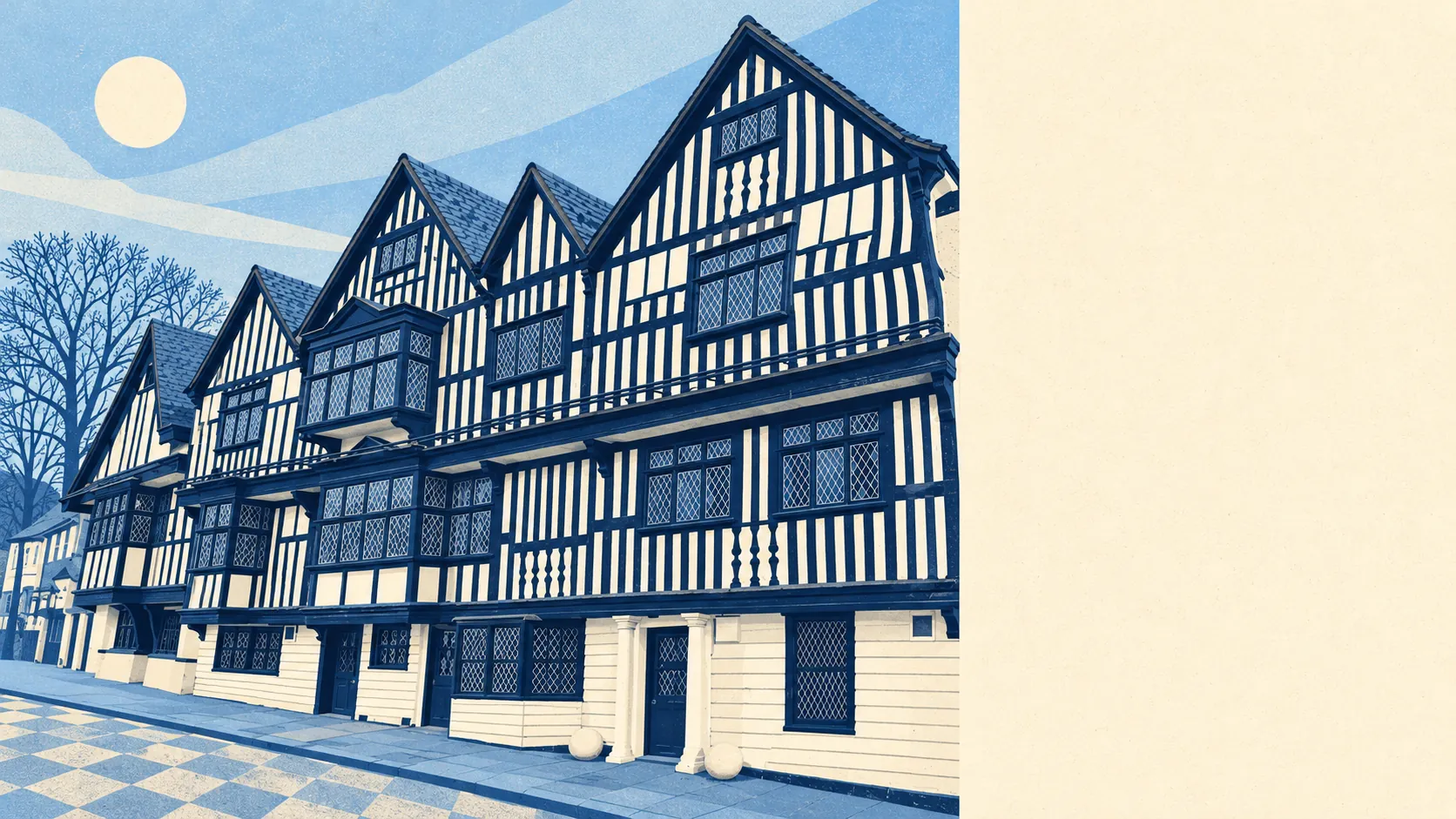
There are 47 listed buildings in and around Chigwell. None are Grade I, 5 are Grade II* and 42 are Grade II. Listing means any change that affects a building's character, inside or out, needs listed building consent on top of any planning permission, and that includes work as small as replacing windows. In a town of several thousand homes, 47 is a small number. If yours is one of them, though, expect the conservation officer to have a view on every window, and to keep visiting until the work is done.
Three conservation areas fall within the Chigwell area: Chigwell Village, Claybury and Woodford Bridge. Inside them, many changes that would be automatic elsewhere need an application, especially anything visible from the street. Chigwell sits on the edge of more than one council's patch, so check the relevant council's conservation area map for the exact property. The boundary on that map decides whether a new front porch is a weekend job or a planning application.
Plenty of owners are going ahead anyway. Between March 2024 and July 2026, 2,152 planning applications were lodged for the area, and 943 of them came in the last twelve months. That works out at a new application on most days of the year. Whatever you have in mind, someone in Chigwell has probably already drawn it, applied for it and had the scaffolding up while the neighbours watched.
The British Geological Survey rates the ground in Chigwell at class 3 for shrink-swell, and the whole area reaches that class. Shrink-swell clay expands when wet and shrinks when dry, and nearby trees make the movement worse. For an extension, that usually means deeper foundations than a builder would dig on easier ground, and a structural engineer should see the soil before the plans are finished. It adds cost and is easy to plan for, but much harder to put right after the foundations are poured.
For an ordinary post-war house outside the three conservation areas, many single-storey rear extensions and loft conversions can go ahead as permitted development, without a full planning application, subject to the national size limits. Inside a conservation area, or for a listed building, the same project usually needs consent. Large side and two-storey extensions need permission almost everywhere. Ask the council for a lawful development certificate even when the work seems permitted. It costs little, and a buyer's solicitor will want to see it when you come to sell.
Chigwell gives you moderate freedom to extend. Most streets are open to the usual extensions, the historic core needs careful handling, and the clay adds cost to every project, wherever it is.