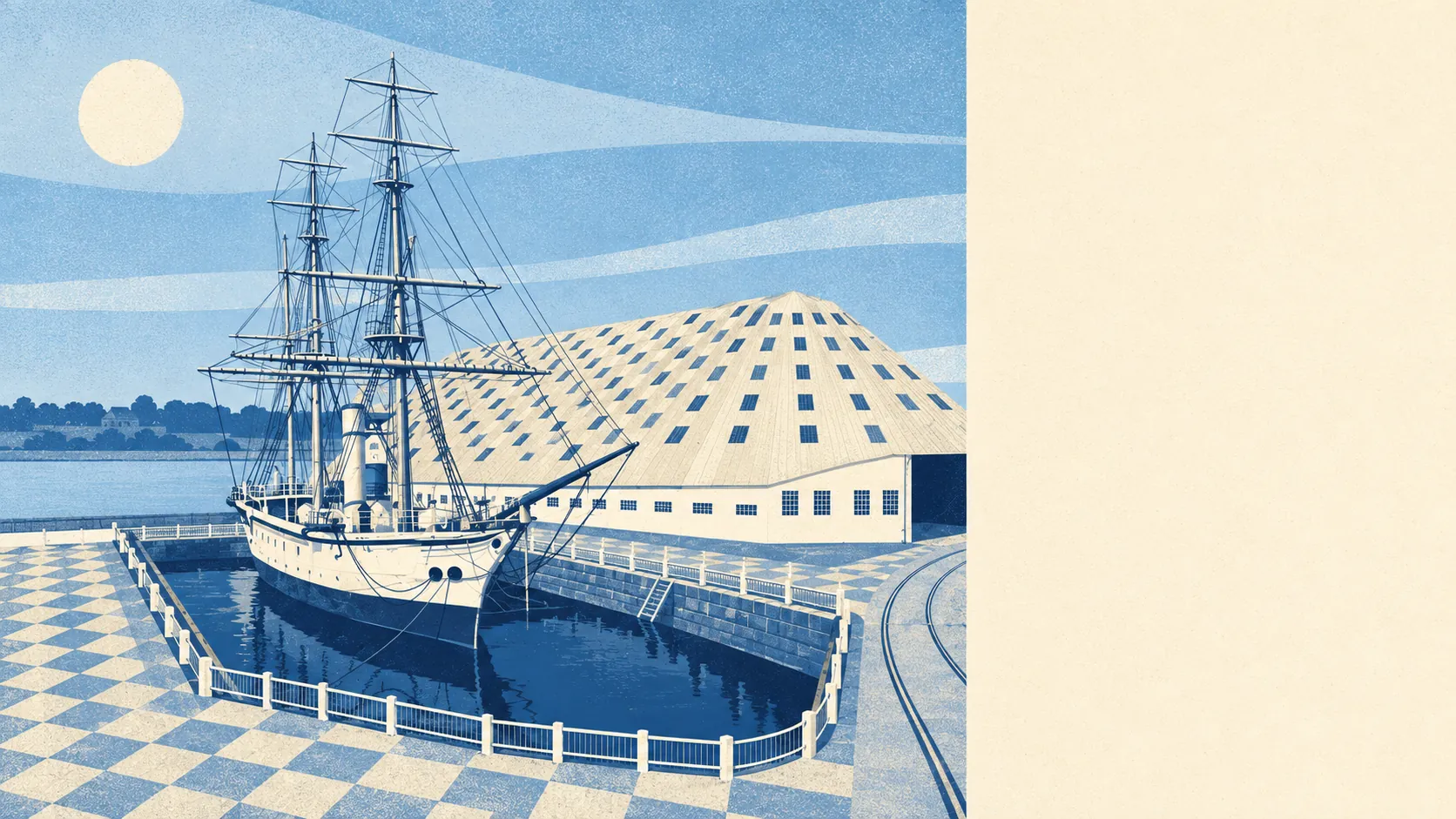
Yes, but the past gets a vote. Hundreds of listed buildings stand in and around the town. More than a dozen conservation areas draw lines across the map. There are dozens of scheduled monuments, most of them forts and dockyard. Outside the historic core, a kitchen extension is a kitchen extension. Inside it, you're negotiating with several centuries of the Navy.
In and around Chatham there are 289 listed buildings: 19 at Grade I, 47 at Grade II* and 223 at Grade II. Listing covers the whole building, inside and out, so replacing windows, taking out an internal wall or adding a rear extension needs listed building consent on top of any planning permission. Most of them are clustered in the dockyard, the barracks and the older streets, and a Grade I is effectively a national monument you happen to be allowed near. If the house you're viewing is listed, budget for time and patience before you budget for the builder.
There are 13 conservation areas in and around the town, including Brompton Lines, Chatham Historic Dockyard, New Road Chatham and Maidstone Road Chatham. Inside a conservation area, the council takes a closer interest in anything that changes how a street looks: extensions, roof alterations, demolition and work that can be seen from the road. The buyers who fall for a period front elevation and then plan to glaze the whole back of it are the ones who find this out the slow way.
There are also 50 scheduled monuments, the strictest level of protection, covering much of the dockyard and forts such as Fort Pitt and Fort Luton. They matter mainly if your land sits next to one. Nobody is getting a conservatory past Fort Luton.
None of this has stopped people from building. Across Medway's records from April 2024 to June 2026, 2,843 planning applications were lodged in the area, 1,255 of them in the last twelve months. That's steady evidence that people in Chatham extend, convert and alter their homes as a matter of routine. How many were approved isn't something these figures can tell you, so don't read the volume as a success rate.
Two listed buildings in the area are on Historic England's Heritage at Risk register. That means they're in poor condition, their repair may attract grant support, and any work on them will attract close scrutiny. It's a problem for the people who own those buildings, not a hazard for someone buying an ordinary terrace down the road.
In practice, the answer depends on which Chatham you buy in. On a post-war estate in Walderslade or Lordswood, a modest extension may fall under permitted development and never need a full application. In a conservation area those rights are narrower, and in a listed building almost everything needs consent. Check whether the address is listed or inside a conservation area before you make an offer. That single check will save more money than any architect.
Chatham gives you very little freedom to alter a home in its historic core. The suburbs are more flexible, but the town's reputation for red tape on building work comes from the core, and it's earned.