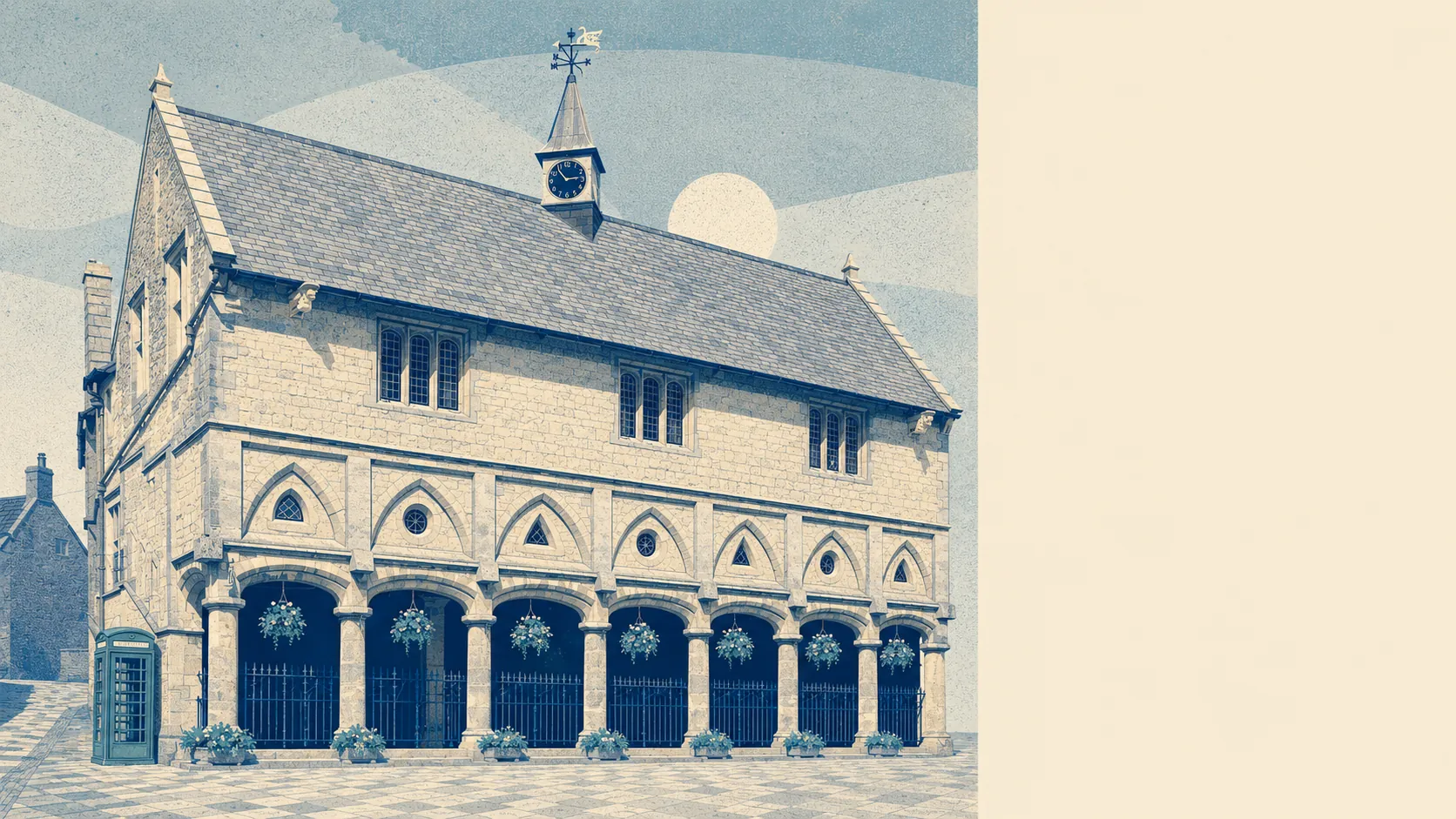
About £262,500 for the typical house, which for a Somerset market town with a mainline station is a bargain that ought to embarrass someone. Terraces go for less. Detached houses go for a lot more. Sixty homes changed hands in the year. That last number is the one to hold on to, because it means the market here is small enough that a single unusual sale moves the picture.
The Land Registry's figures for the year to May 2026 put the median sale at around £262,500 across 60 transactions. Split by type, the gap opens fast. Terraced homes had a median of about £225,000 across 24 sales, semi-detached about £265,000 across 16, and detached about £549,000 across 16. Flats came in at about £172,500, but only four sold all year, which is less a market than a rumour. The step from semi to detached is the one that hurts, and it is where most people who move here twice discover they cannot afford to move here twice.
The published house price index for the area stood at around £280,800 as of May 2026, up around 3% over the twelve months and around 15% over five years. Flats went the other way, down about 1% on the year, though with four sales behind them locally that is a figure about the wider index area rather than about anything happening on a particular street here.
Council tax is spread rather than bunched. Band C is the most common, and around 26% of dwellings sit in bands A or B, so a quarter of the town is in the cheap end. The band D annual bill runs at around £2,560, which is the figure worth holding against whatever you currently pay.
Renting is harder to pin down at town level. Typical private rent across the Somerset area runs at about £990 a month, a mean from the national rent index rather than a median of advertised listings, and up around 4% on the year. By size, one-bedroom homes average around £670, two-bedroom around £890, three-bedroom around £1,100, and four or more around £1,580. Those are Somerset-wide averages, so treat them as the shape of the market rather than a quote.
Against income, the maths is unusually kind. Modelled gross household income for the area, before tax, ran at around £58,200 in the financial year to March 2023. Set that against a median sale of around £262,500 and Castle Cary sits in the territory where an ordinary two-income household can actually get a mortgage on an ordinary house, which is not a sentence that survives contact with most of the south of England. Net household income for the area is modelled at around £43,700, if you prefer the version that reflects what lands in the account.
By floor area, the median works out at around £3,333 per square metre, on a typical home of about 78 square metres. That covers the 60% of sales that could be matched to an energy certificate with a recorded floor area, so it describes the measurable part of the market rather than all of it.
The bedroom mix explains why. Around 39% of households have three bedrooms and around 28% have four or more, which is a town built for families rather than for people passing through. Two-bedroom homes account for around 26% and one-bedroom just 8%, from the 2021 census. Downsizers here are competing over a very small pile.
Price is the strongest thing this town has going for it. A period house within a mile of a mainline station for a median in the low £260,000s is the kind of number that gets people to look at a map of Somerset and start doing sums.