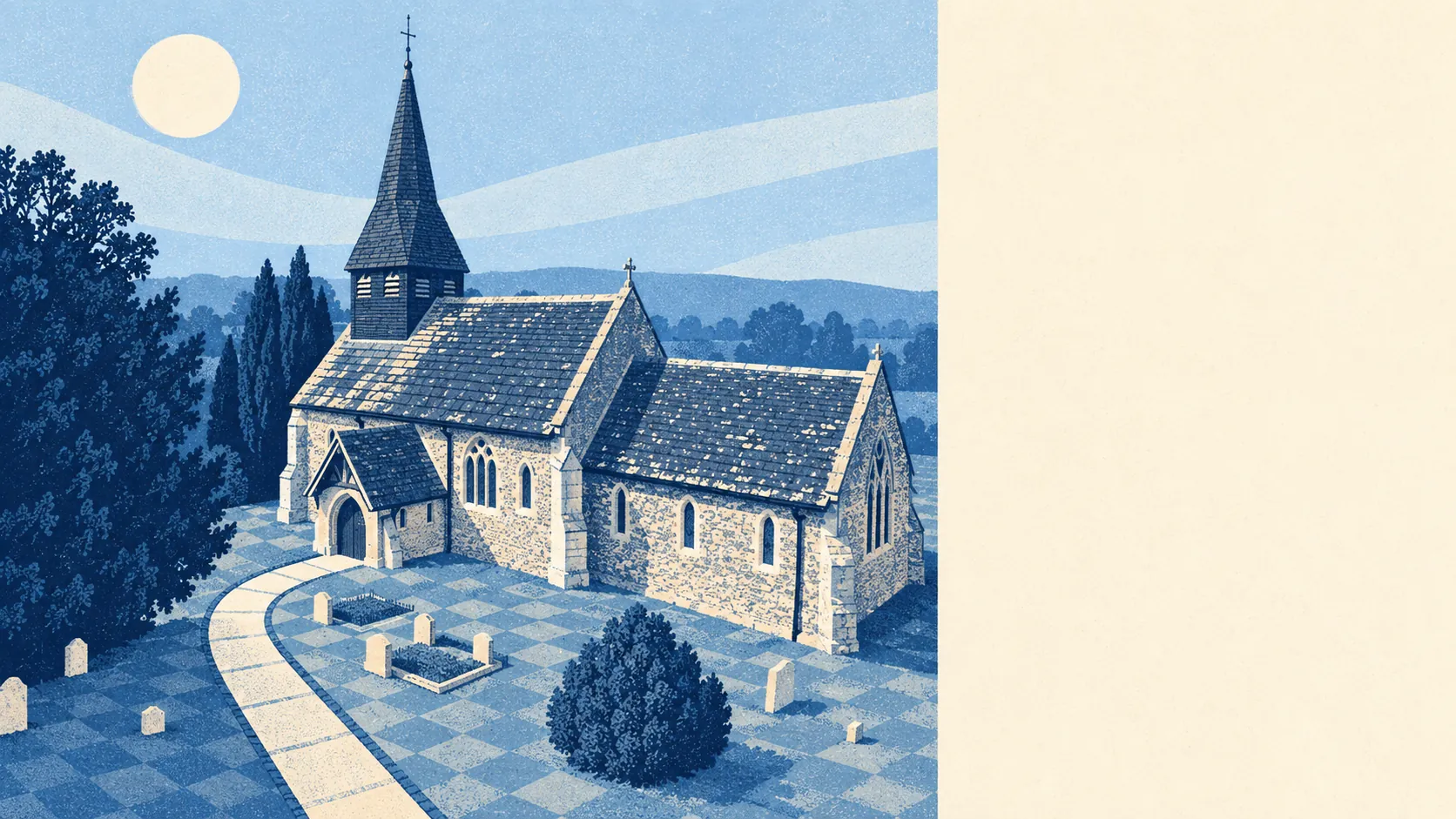
Yes, for most houses, with the old ones as the exception. Twenty-two buildings are listed. Only one sits above the standard grade. One conservation area carries the village's name. For the post-war majority, the planning office isn't the obstacle; the budget is.
Historic England's list covers 22 buildings in and around Capel. None are Grade I, 1 is Grade II* and the remaining 21 are Grade II. Listing protects the whole building, inside and out, so work that would be routine elsewhere, such as swapping windows, knocking through a wall or replacing a staircase, needs listed building consent on top of any planning permission. Owners of a listed farmhouse or cottage are custodians first and home improvers second, and the council will hold them to that order.
There is 1 conservation area, named Capel. Inside it, the council takes a closer interest in anything that changes how a house looks from the street, and some works that would need no application elsewhere can require one here. Check the boundary before assuming a house is in or out, because the edge of a conservation area rarely follows the line a buyer would guess.
Plenty of people are altering their homes anyway. The local planning register records 986 applications between April 2024 and June 2026, with 387 of them in the last twelve months. Whatever the listed-building rules say, extending here is clearly a normal thing to do rather than a battle only the brave attempt.
Practically, the dividing line is simple. A house that is neither listed nor inside the conservation area can usually use permitted development rights for modest rear extensions, loft conversions and outbuildings, subject to the national size limits. A listed house needs consent for almost anything, and a house in the conservation area needs extra care with anything visible from the road. Ask the seller's solicitor for the listing status and conservation-area position early, and check the planning history of the house itself before paying for an architect.
Freedom to extend in Capel is middling: most of the village can build with ordinary permissions, while the listed buildings and the conservation area bring the extra consents that come with owning something old.