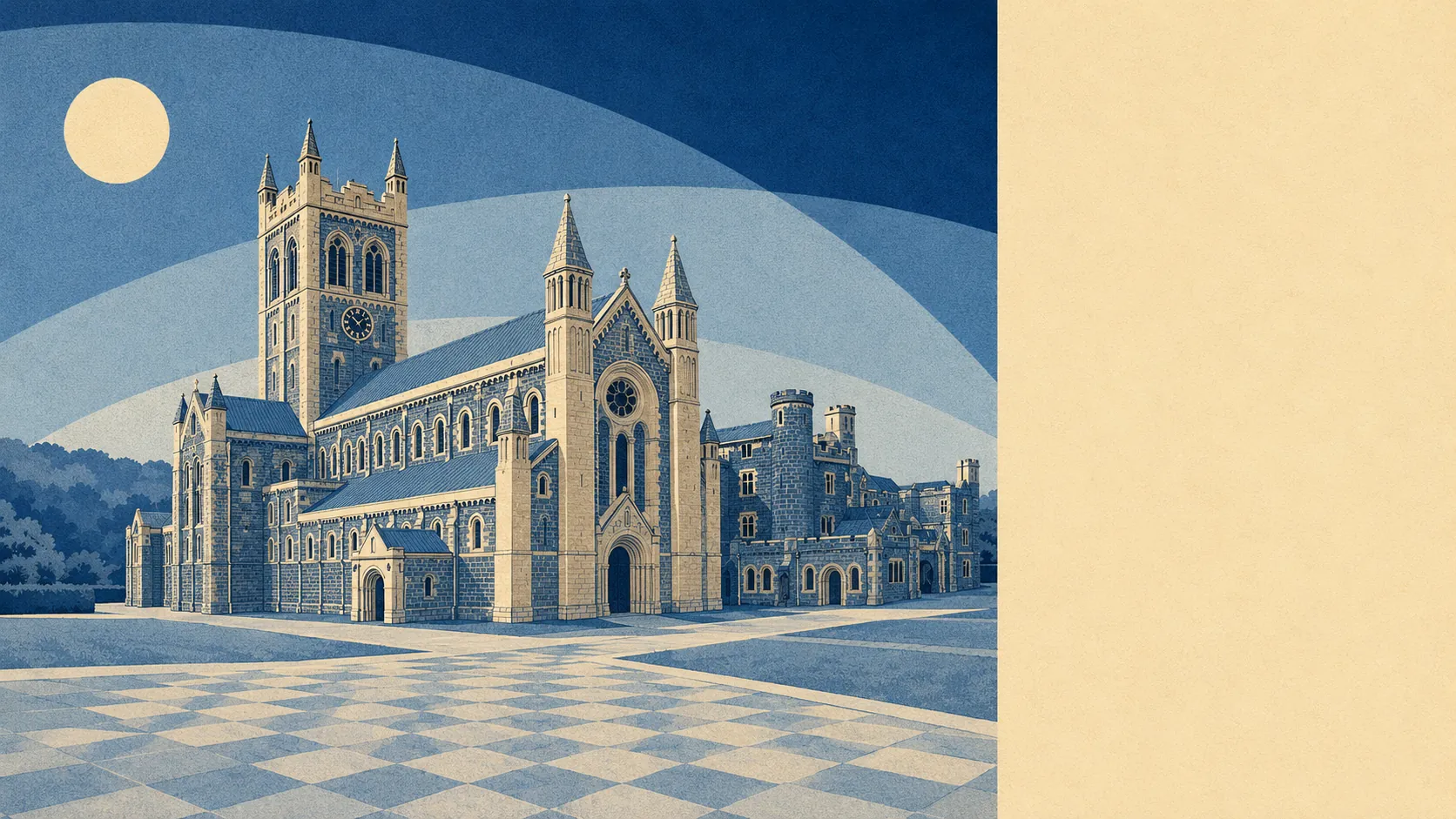
Yes, though a large slice of the town has to ask permission first. There are 180 listed buildings here. The old centre sits inside a conservation area. Around four in ten homes were built before 1930. Extending is completely normal in this town; extending without a conversation first is not.
Of those 180 listed buildings, one carries a Grade I designation, 14 are Grade II star and the remaining 165 are Grade II. Listing is not a plaque on the front, it covers the whole building inside and out, which means consent applies to windows, doors, internal partitions, roof coverings and a good deal that owners file mentally under maintenance. The system treats a replacement window and a structural alteration with the same paperwork seriousness, which is either proper heritage protection or a very slow hobby, depending on how your last weekend went.
One conservation area covers the historic core of Buckfastleigh, the part where the medieval street pattern survives because the town rebuilt on it rather than through it. Designation brings extra control over demolition and over works to trees, and it tends to make the council firmer about materials, frontage detail and anything visible from the street than it would be on a modern estate. The house behind the frontage is usually where the flexibility lives.
Seven scheduled monuments sit within the area, which is the strictest protection in the system and a different consent regime again, granted nationally rather than by the council. For most buyers this is background noise. For anyone buying land or a property that adjoins one, it is the first thing to establish rather than the last.
People clearly do alter homes here. The planning record carries 92 applications across the area between April 2024 and June 2026, with 40 of those falling in the most recent twelve months. That is a steady flow of householders getting on with it rather than a town where nobody bothers trying.
The ground carries its own paperwork. About 36% of postcodes are affected by recorded abandoned mine workings, and 13 postcodes sit directly above one. This is not a coalfield, so there is no coal-related consultation zone over the town, but the practical effect is the same at conveyancing: a mining search, sometimes a specialist report on top of it, and questions from a lender or insurer that take time to answer. It is an administrative fact about the transaction rather than a verdict on any particular house.
One listed building in the area appears on Historic England's Heritage at Risk register, meaning a protected building whose condition has deteriorated. That can open the door to grant support for repair, and it guarantees close attention to whatever anyone proposes to do with it. It says nothing about the ordinary house down the road.
In practice the town splits in two. Buy outside the conservation area and off the list, and the usual permitted development rights apply in the usual way, so a rear extension or a loft conversion is a normal project with normal costs. Buy inside either, and the sensible planning assumption is that consent is required for more than you expected, that the answer will be about materials and detail as much as about size, and that the timeline runs in months. Neither position is unusual for a Devon market town. Only one of them lets you order the windows before you apply.
Freedom to alter a home here is one of the tighter aspects of the place: workable with the right property, and a long-running negotiation with the wrong one.