The area around Brixton Hill is greener than an inner-London address has any right to be. The nearest green space is usually a minute or two from the front door. There are dozens more within a short walk. Water is close by as well. Even the main road comes with a strip of common land along one side.
Green space is the area's strongest point. The average home is roughly 110 metres from its nearest green space, and has about 51 within a kilometre. Most of the hill is flats, so that is the garden for most residents.
Water is a little further away. The nearest blue space, a pond, lake or stream, is about 630 metres from the average home, with six or seven within a kilometre. Brockwell Park, which Tulse Hill backs onto, accounts for some of that.
The National Cycle Network is further out, about 3.9 kilometres from the average home, and no postcode in the area counts as close to it. There is no ancient woodland here either. The countryside starts further out, and the area relies on its parks.
The high street is mostly shops. The valuation list shows 338 shops, 17 restaurants, 30 offices and 10 pubs. Ten pubs for more than 60,000 residents makes the hill a place people go out from, more than a place they go out in.
Lambeth as a whole recorded an average of about 9.3 micrograms of fine particles per cubic metre of air in 2024. That is a single figure for the whole borough. A flat facing the main road will breathe differently from one facing Brockwell Park.
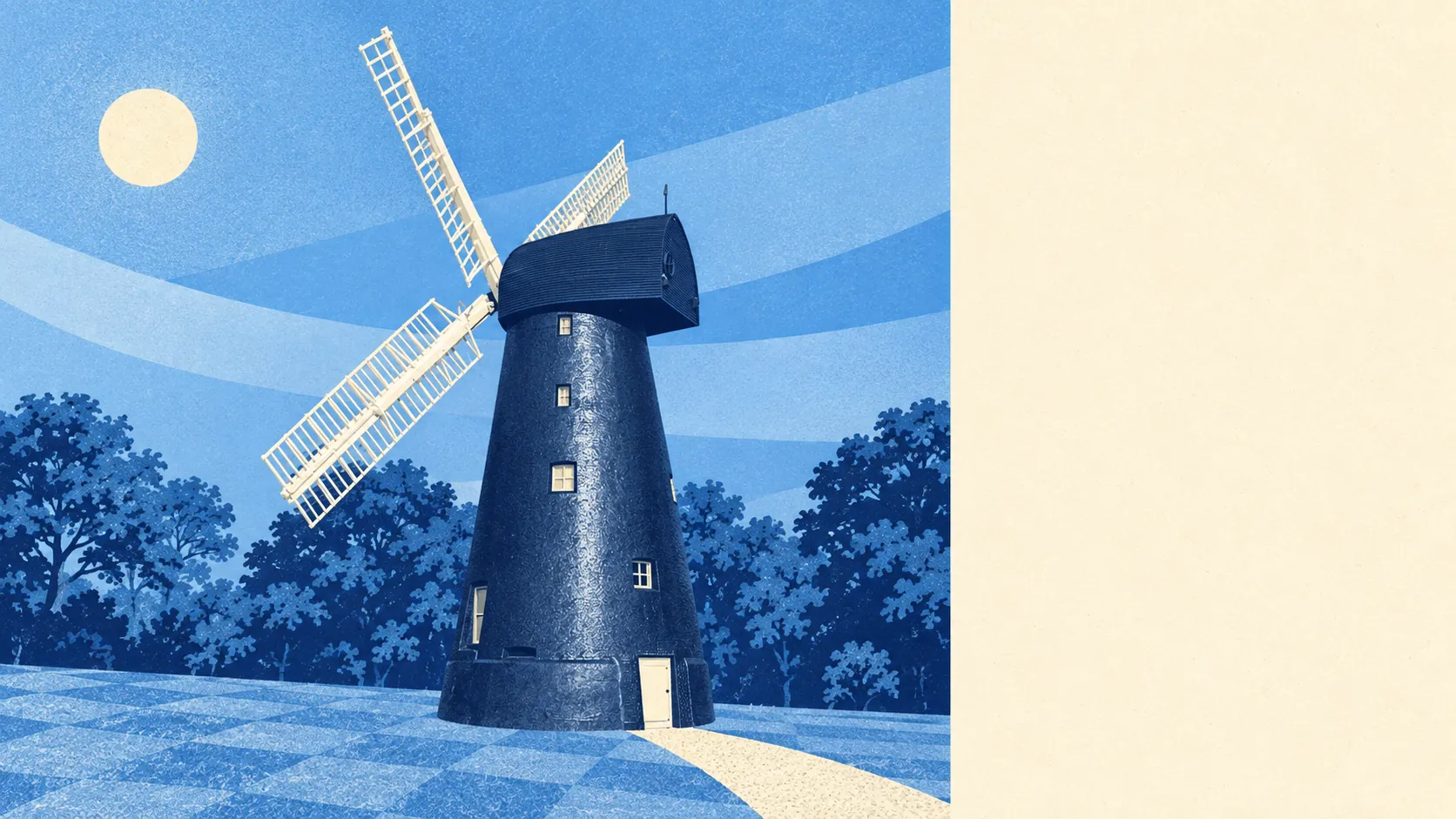
The area takes its character from the road and the parks around it. Along the eastern side of Brixton Hill runs a line of tree-lined open spaces and front gardens on former common land. Brockwell Park and Brockwell Hall are close at hand to the south-east, and the Brixton Windmill is still standing in a neighbourhood with no fields left to supply it. The old tram shed near Christchurch Road is still there too. The hill keeps hold of its old buildings long after their jobs have gone.
Private gardens are fairly scarce. Across the neighbourhood there are about 22,600 square metres of private garden for every 1,000 residents, spread across a housing stock that is three-quarters flats. The flats with gardens tend to be on the ground floor, and anyone who wants one should confirm that it belongs to the flat and is not shared with the rest of the building before falling for the lawn in the photographs.
The valuation list holds 795 rateable business premises across the area. That count includes premises that are empty or have changed use, so it is a record of buildings, not a count of businesses trading today. Shops make up the biggest group by far, followed by a long tail of workshops, storage and other commercial units, offices and places to eat.
The Food Standards Agency has rated 214 food businesses here. About 53% carry the top hygiene score and about 9% fall into the lowest bands. Most of the eating out here is in good hands, and the rest comes down to which door you choose.
None of the area is covered by an Area of Outstanding Natural Beauty, a Site of Special Scientific Interest or ancient woodland. All of its green space is parks and common land, and what Brixton Hill has to protect is the 51 green spaces close to home.
The surroundings are one of Brixton Hill's real strengths. In a neighbourhood of flats, the parks and the common land do the job most homes' gardens cannot, and few inner-London addresses have this much green space so close to the door.