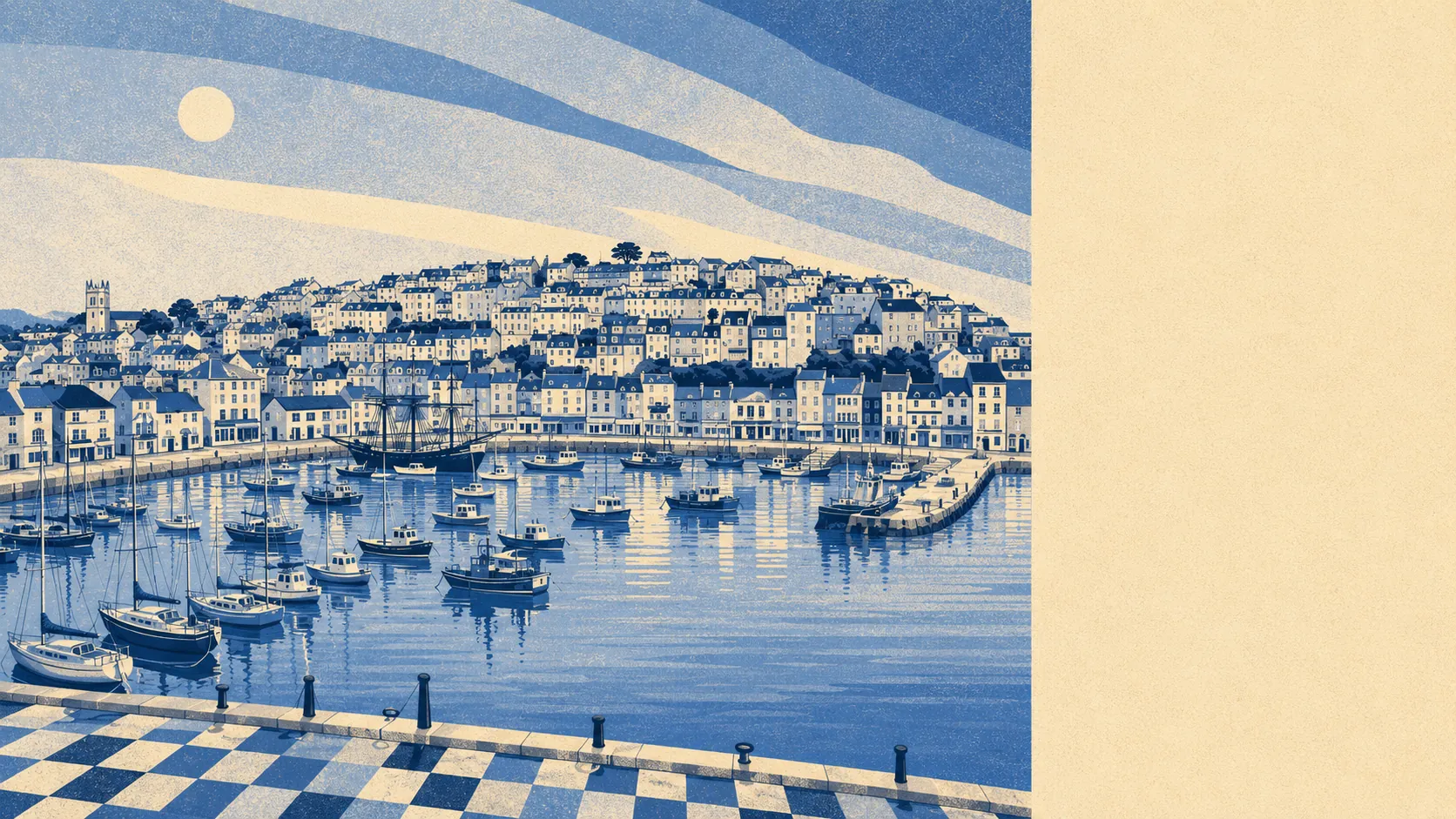
Yes, and you will be asking permission for most of it. There are 235 listed buildings in and around the town. Four conservation areas cover exactly the streets people move here for. None of the listings are stately: they are cottages, terraces and working buildings that happen to be protected. In Brixham, the planning department has more say over your kitchen than your architect does.
Of those 235 listed buildings, 230 are grade two and five are grade two star, with nothing at grade one. That distribution is the whole point. This is not one grand house with a rope across the hallway; it is a town where the ordinary small property is the protected thing. Listing applies to the whole building, inside as well as out, so replacing windows, altering a roofline, opening up a room or changing what a frontage looks like needs listed building consent in its own right, on top of any planning permission. Doing the work first and asking afterwards is the expensive route.
Four conservation areas cover Brixham Town, Higher Brixham, Galmpton and Churston Ferrers. Inside one, the things you can normally do without asking get narrower: demolition, tree work and alterations that affect the look of the street tend to need consent even on a building that carries no listing of its own. Whether any additional direction applies to a particular street is a question for the council rather than an assumption to make from a listing photograph.
Three scheduled monuments sit within the area. That is the strictest protection there is, and for most buyers it matters only if the land you are buying sits close to one, at which point the conversation stops being about extensions and starts being about archaeology.
None of this stops people building. There were 393 planning applications across the area between April 2024 and June 2026, with 151 of them in the last twelve months. Householders here are clearly submitting drawings on a regular basis, which tells you the route exists and is used. It tells you nothing about how any individual application landed, and anyone quoting an approval rate at you is guessing.
On the ground itself, about 4% of postcodes have a recorded mine entry in the vicinity, the nearest of them around 192 metres away, and none sit directly over a recorded working. Practically, that means a mining search may be asked for on some purchases and, occasionally, a specialist report behind it. It is a paperwork question and a lender-and-insurer question rather than a reason to worry about the ground under a house.
Two listed buildings in the area appear on Historic England's Heritage at Risk register. That records buildings in poor condition, which can attract grant support and will certainly attract scrutiny. It is a fact about those specific buildings, not a shadow over the houses near them.
The practical shape of it: away from the protected streets, ordinary permitted development rules apply and a modest rear extension is a normal project. Inside a conservation area or on anything listed, assume consent is needed before you commit money, get the answer in writing from the council rather than from a builder who has done three of these before, and price the delay into the purchase rather than the regret.
Freedom to alter a home is the weakest thing about Brixham. The town's charm and its planning constraints are the same 235 buildings, and buying the first means accepting the second.