For most Banwell homes, yes. The village carries forty-four listed buildings, which sounds like a wall of red tape until you set it against the housing stock as a whole. The great majority of what people actually live in is ordinary post-war house and bungalow, none of it protected. Around fifty planning applications went in over the past year, so extensions and alterations plainly do happen here. The freedom is real for most owners, with a heritage core where it tightens sharply.
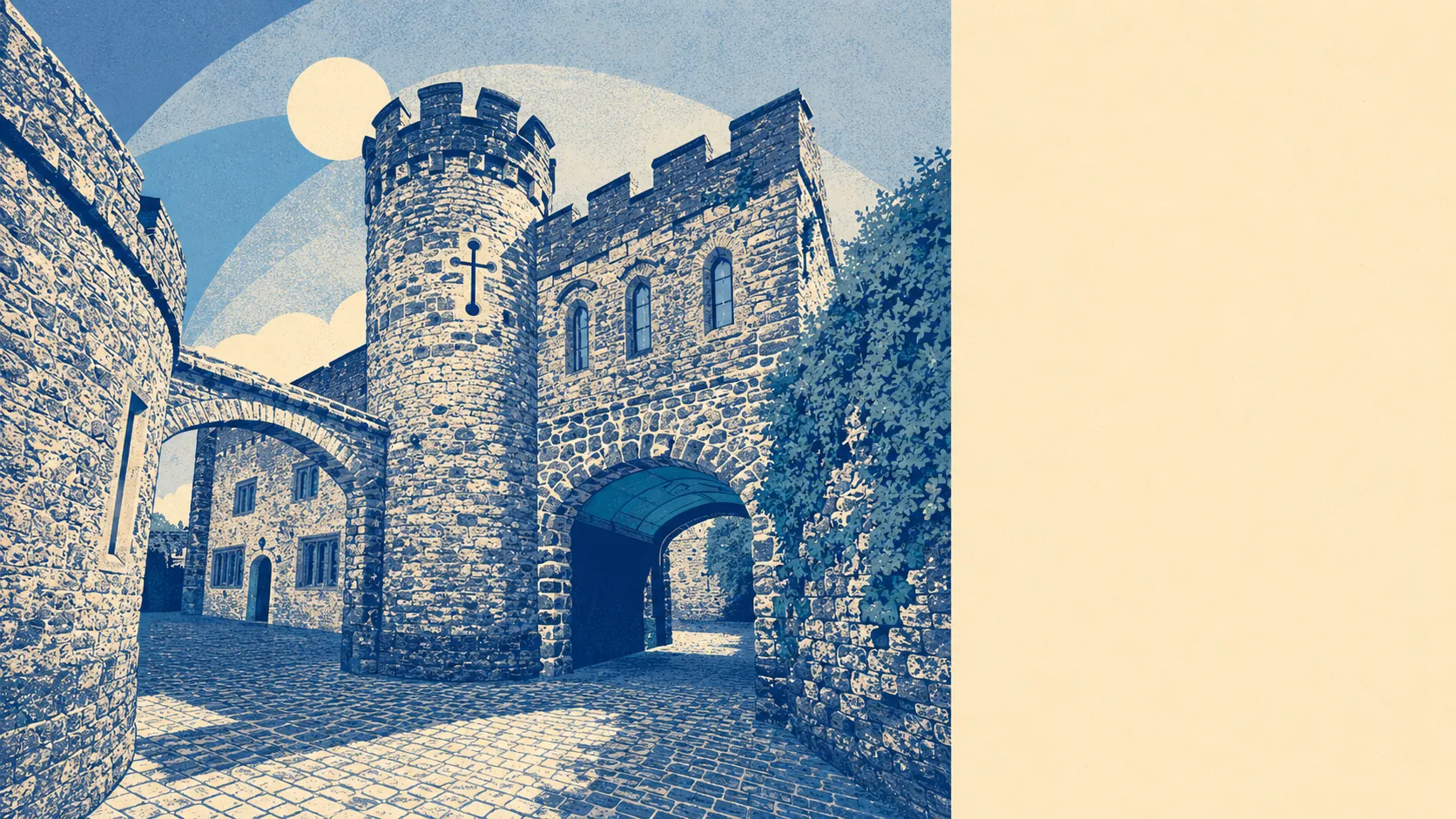
The listed buildings are where the tightening happens. Of the forty-four, one carries the top grade of grade one, six sit at grade two star, and the remaining thirty-seven are grade two. If your house is one of those, the rules change entirely. Listed building consent reaches beyond extensions to windows, doors, internal walls and often the finishes, and carrying out work without it is a criminal matter rather than a stern letter. Banwell Abbey and Banwell Castle sit near the top of that tree at grade two star. The odds that any given house is listed are low, but the ones that are come tightly bound.
Banwell also has a conservation area drawn around its historic centre. Owning an unlisted house inside it does not freeze you in place, but it adds a layer. Some of the permitted-development freedoms that let people elsewhere throw up a rear extension without asking are trimmed back, demolition and tree work need the council's blessing, and the appearance of whatever you propose gets weighed against the character of the surrounding streets. Step outside that boundary and an ordinary house behaves like an ordinary house again.
In practice the split is clean. A standard post-war home on the edge of the village can often extend under permitted development or a routine application, and the fifty-odd applications a year show a council well used to processing exactly that. A period property in the old core, listed or not, is a longer conversation with a conservation officer who will hold firm views on materials and proportions. The sensible move is to confirm the listing status and whether the address falls inside the conservation area before you buy, not after the architect has drawn the plans and cashed the fee.
Extending in Banwell is middling: easy enough for the ordinary majority of houses, genuinely restrictive for the listed and old-core minority. Find out which camp your address sits in first, because that one fact decides whether you are filling in a form or fighting a campaign.