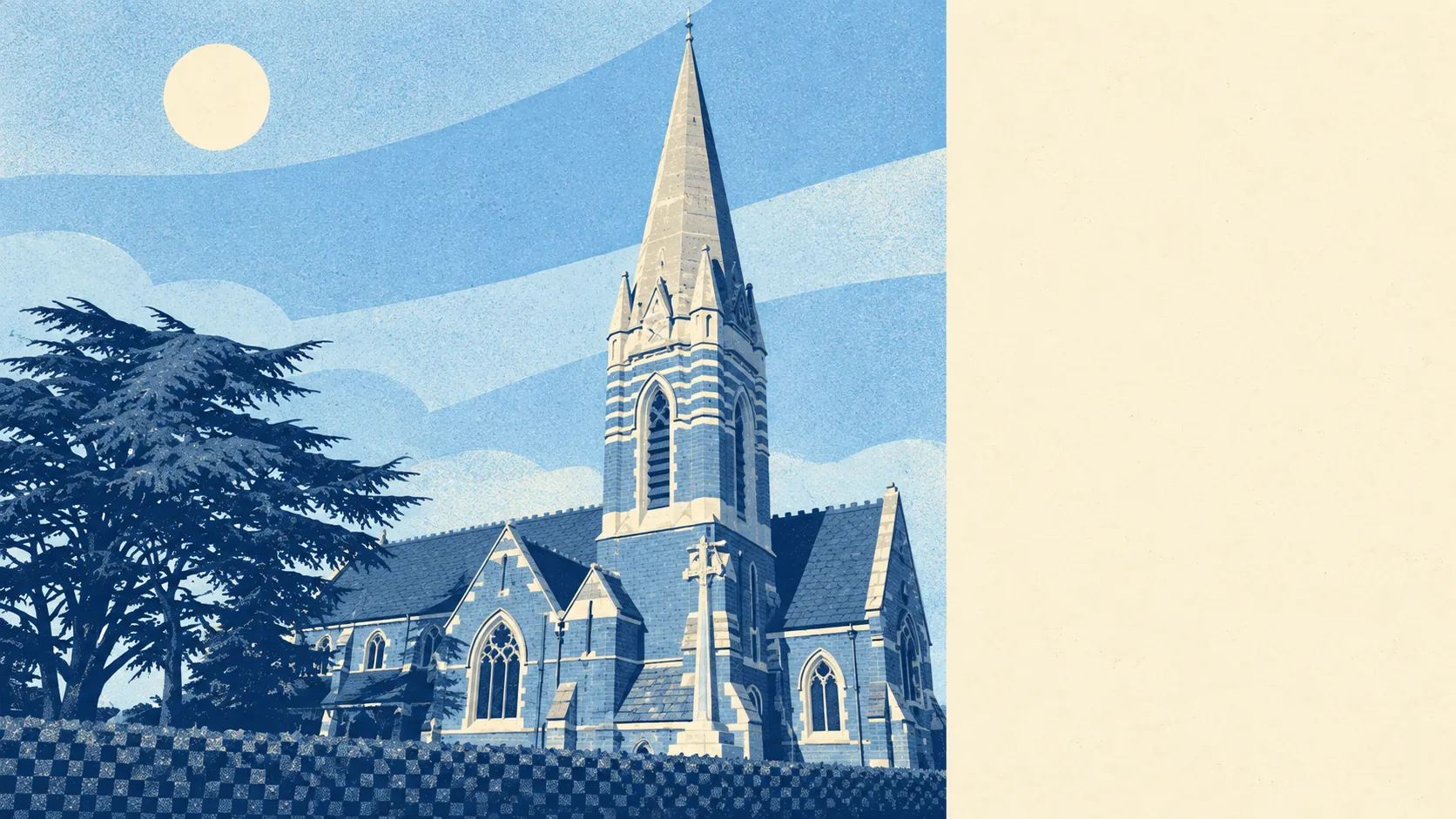
The area around Bagshot is mostly outdoors. A park is a couple of minutes from most front doors. Water is only a little further. The high street is small and full of offices. Move here for the green space, not for the nightlife.
Green space is the area's big advantage. The average Bagshot home is about 130 metres from the nearest park or green space, and there are about 21 within a kilometre. At that distance, the dog decides the route, not the owner, and "we'll go for a walk" is a two-minute commitment rather than a car journey.
Water is almost as close. The nearest lake, pond or stream averages about 235 metres away, with about 23 within a kilometre. None of it will turn up in a holiday brochure, but it's there on the walk and it sets the texture of the surrounding land.
The National Cycle Network is further off, about 6.9 kilometres from the average home, and no postcode sits close to it. Cycling here is on local roads and paths, not a signed long-distance route from the back gate.
The high street is modest. The rating records show 28 shops, 7 pubs and 8 restaurants. That's enough for a pint, a meal and the thing you forgot at the supermarket, but not enough for a Saturday out, and anyone expecting a town's worth of choice will be making the drive.
Air quality is good by the council's own figure. Fine particle pollution across Surrey Heath averaged about 7 micrograms per cubic metre in 2024.
The character comes from the land and the history. Bagshot Park, once a royal hunting lodge in what was a royal forest, and South Hill Park are the named parks and gardens nearby. The village has three conservation areas, and there are Bronze Age burial mounds and sections of Roman road within reach. Excavations have turned up Bronze Age settlements and evidence of iron smelting here, so the area has been lived in and worked far longer than any estate agent's brochure bothers to mention. The neighbours are villages and small towns: Lightwater, Windlesham, Camberley and West End.
Private gardens are generous. Across the area there are about 134,000 square metres of garden for every 1,000 residents. That's the figure that tells you homes here have their own outside space, which fits a housing stock built mostly as semis and detached houses rather than flats over shops.
The business rating list shows what the premises here were built for. Of 204 rateable premises, the largest group is offices at 88, followed by 28 shops, with smaller counts of restaurants and pubs further down. These are premises on the valuation list, not a count of businesses currently trading. The office total is the surprise: Bagshot looks like a village and has the premises of a small business park.
Of the 35 food premises with a hygiene rating, 74% hold the top score of five and 6% sit at the bottom end. The kitchens that serve you are mostly in good order, and a few aren't, so check the sticker on the door before you order.
There's no protected-landscape designation overlapping Bagshot itself: no area of outstanding natural beauty, no site of special scientific interest and no ancient woodland. That isn't a defect. It means the parks and open ground around the village are there for people to use, not fenced off for nature reserves.
The surrounding area is one of Bagshot's real strengths. Few places put this much open ground this close to this many front doors.