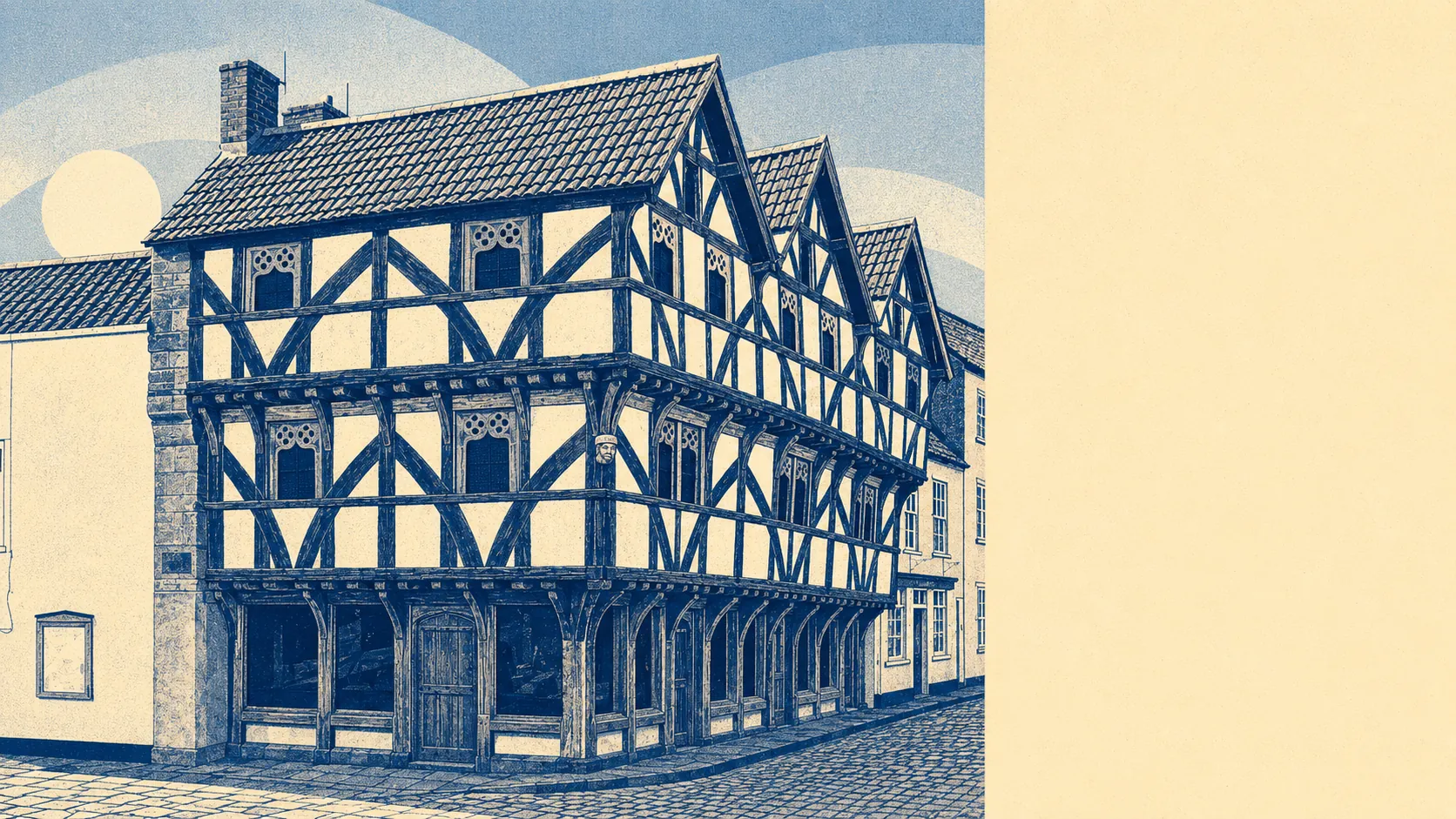
Yes, and no, depending entirely on which building you bought. Close to two hundred properties in the area carry a listing. Five conservation areas cover the older centres. People here do submit applications, in numbers, all the time. What you cannot do is assume the house is yours to reshape on a whim, because in a place this well preserved the preservation is the point and the planning system knows it.
Historic England's register records 191 listed buildings across the area: 5 at Grade I, 13 at Grade II star, and 173 at Grade II. Listing attaches to the whole building rather than the pretty bit facing the street, and it covers the inside as well as the outside. That means consent is required for works affecting the building's character, which in practice catches replacement windows, altered roof coverings, internal walls, staircases and anything structural. It also strips out the permitted development rights an ordinary house relies on, so the small extension that would be automatic elsewhere becomes an application here. Grade I and Grade II star buildings, being the top tiers, attract the closest scrutiny of the lot.
Five conservation areas sit within the area, covering Axbridge itself along with Weare, Stone Allerton, Christon and Loxton. Conservation area status works differently from listing: it protects the character of the place rather than any single building, so it bites on what is visible and on the setting. Demolition needs consent, trees get protection, and certain permitted development rights are curtailed. A house that is not listed can still sit inside a designation that limits what you do to the front of it.
There are also 9 scheduled monuments within the same bounds. That is the strictest protection tier in the system and it applies to the monument and its setting rather than to houses, so for most buyers it is relevant only if the boundary of the plot happens to run near one. If it does, it changes the conversation entirely, and it is worth establishing before exchange rather than after.
None of which means the place is frozen. Between April 2024 and June 2026 the planning register recorded 180 applications across the area, 79 of them in the last twelve months. People are extending, converting, reroofing and rebuilding here at a steady rate. The paperwork is a stage in the process, not a wall, and the neighbours have clearly worked that out.
The practical position is straightforward enough. If the house is unlisted and outside a designation, ordinary permitted development rights apply and a rear extension or a loft conversion is the routine job it would be anywhere. If it is listed, assume consent for almost everything and budget for a heritage-literate architect rather than a general builder with a sketch. If it is unlisted but inside a conservation area, the answer sits in between and depends on the specific designation, which the local planning authority publishes. Check the address against both registers before you make an offer, because the constraint travels with the building and no survey will mention it.
Freedom to alter your own home is the weakest thing about buying here. The compensation is that the same rules protecting your neighbour from your plans are protecting you from theirs, which is the trade every buyer in a preserved town makes whether they notice it or not.