For most houses in Yatton, yes, and without a great deal of drama. The heritage footprint here is real but small: fifty-four listed buildings in a village of several thousand homes, only two of them top grade, and a single conservation area covering the older heart of the village. The vast majority of the housing stock is ordinary post-war brick with normal permitted development rights attached. Whether you are free to extend comes down to one question asked early: is your specific house one of the constrained few, or one of the many the rules leave alone.
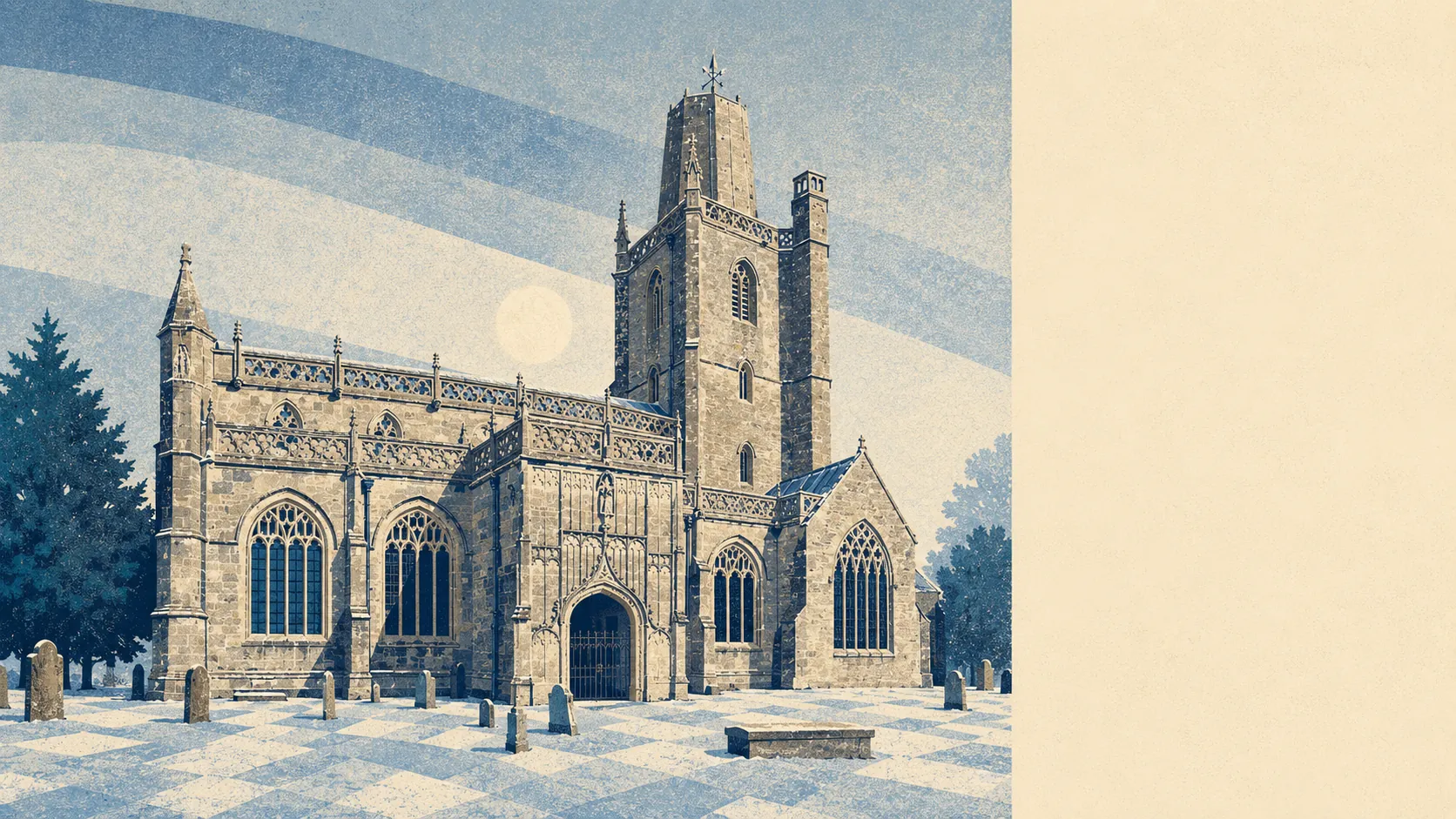
Take the listed buildings first, because that is the tightest constraint. There are fifty-four in and around the village, two rated at the highest grade and the remaining fifty-two at the standard grade of listing. Much of that list is churches and historic fabric rather than family homes, the Church of St Mary among them, but a listed house is a genuinely different proposition to own. Listing means consent is needed for alterations that would pass unnoticed on an ordinary house, inside as well as out, and the work has to respect the character that got the building listed in the first place. It is not a ban on change, it is a slower and more supervised kind of change, and the running cost of that supervision is worth pricing in before you buy the pretty old one.
Then there is the conservation area, of which Yatton has one, wrapped around the older centre. Buying inside it adds a layer of control that a house on an unremarkable estate simply does not face. Some works that would be automatic elsewhere need permission here, and things like demolition and tree work come with their own consents. The brief carries no specific direction stripping out permitted development beyond that, so the honest description is a general tightening rather than a named restriction, and the sensible move is to confirm the exact rules for your address rather than assume the worst or the best.
In practice, this splits the village neatly. If you own one of the post-war houses that make up the bulk of the stock, and it sits outside the conservation area and off the listed register, your permitted development rights are broadly what they would be anywhere, and a straightforward rear extension or loft conversion is the usual routine rather than a fight. The planning system here is plainly active, with getting on for four hundred applications going through in the last year alone, so extensions do get built and consents do get granted. If you own a listed home or one inside the conservation area, expect the extra paperwork and design scrutiny that comes with the territory.
So can you extend a house in Yatton. For the ordinary majority, comfortably, with the usual planning to navigate; for the listed and conservation-area minority, only with more consent and more patience. Middling freedom overall, weighted heavily toward do-what-you-like unless the house you fell for happens to be one of the special ones.