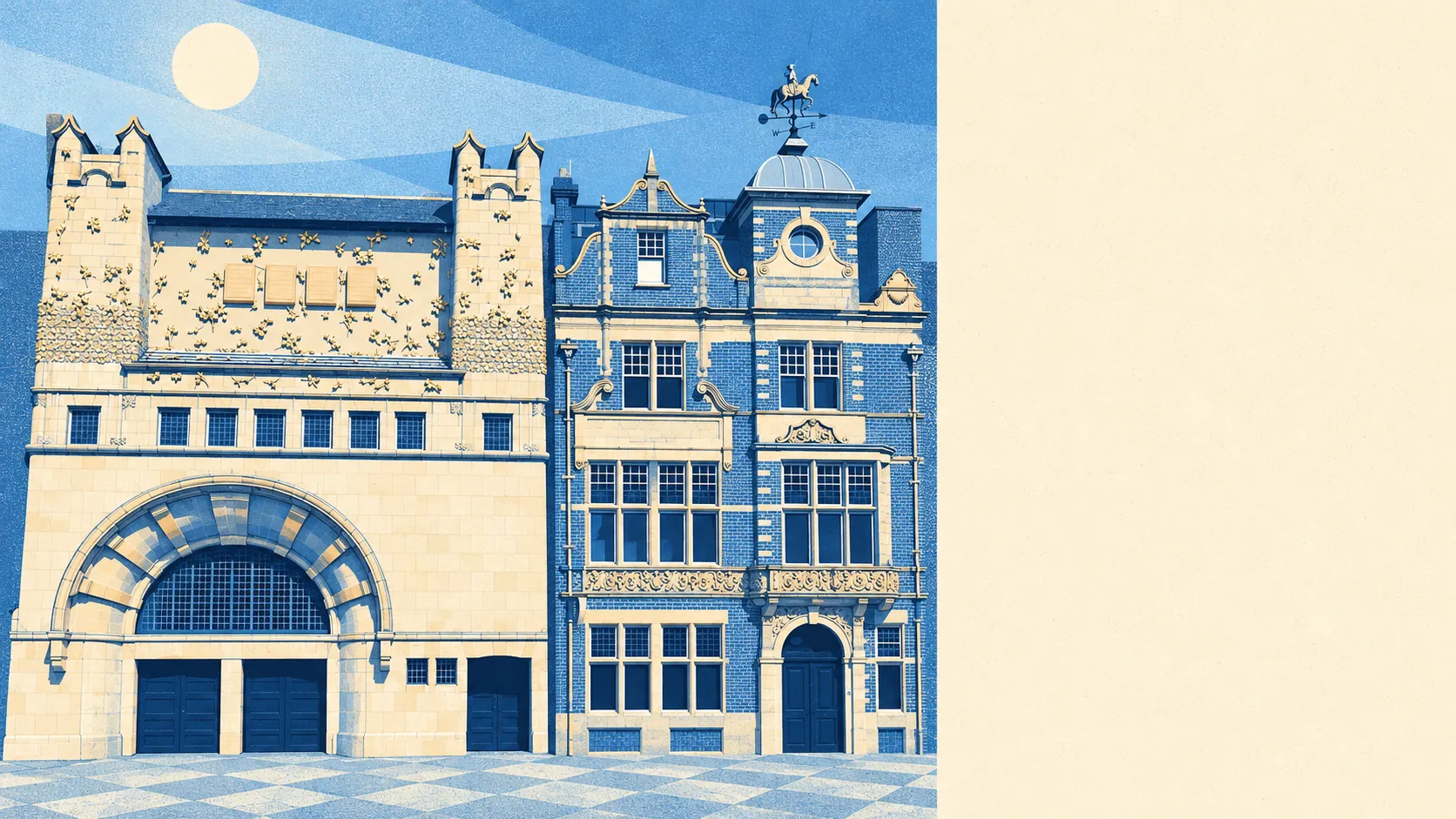
The area around Whitechapel is packed, noisy and surprisingly green. A patch of green space is a minute or so from almost every door. Water is a short walk away. The streets are lined with shops, cafés and pubs. What you don't get is a garden of your own.
The average home is about 84 metres from the nearest public green space, with around 74 green spaces within a kilometre. Most are small squares, churchyards and pocket parks rather than rolling commons, but they are everywhere. Stepney Green, Albert Gardens and Arnold Circus are all nearby, and Victoria Park, with its own conservation area, is within reach for a bigger walk. The East End was crammed with people long before anyone thought to plant trees for them, and the planting has been catching up ever since.
Water is about 500 metres from the average front door, and about 51 stretches of it fall within a kilometre, from the Regent's Canal and the Limehouse Cut to the old docks at Wapping. The National Cycle Network is about 860 metres away on average, with about 24% of homes close to it. There is no ancient woodland here at all.
The high street is the real draw. The valuation list counts about 1,441 shops, 223 restaurants and 54 pubs in the area, so a pint is easy to find, though the food comes first. Whitechapel Market and the Brick Lane streets carry most of it, and the Whitechapel Art Gallery and Wilton's Music Hall make sure culture doesn't have to cross into the City.
Tower Hamlets recorded average fine-particle air pollution of about 10 micrograms per cubic metre in 2024, a figure for the whole borough. On streets this busy, which side of the building your bedroom faces will matter more than any borough average.
The feel is old fabric under constant use. The Whitechapel Bell Foundry, the London Hospital conservation area and Tower Hamlets Cemetery Park sit within a short walk of each other, and the old Roman road still runs through the middle carrying more traffic than the Romans ever planned for. Spitalfields gives you the market streets, Stepney the quieter squares further east.
Private outdoor space is scarce. Gardens across the area add up to about 6,000 square metres for every 1,000 residents, which in a district where about 89% of homes are flats mostly means communal grounds, a few back yards and a lot of balconies doing their best. If outdoor space matters, check whether the flat comes with access to a communal garden, because the floor plan rarely makes it clear.
The business rating list holds 6,314 rateable premises in the area, and offices lead them by some distance at about 2,692, followed by about 1,429 shops. These are premises on the valuation list, so not every one is trading. Even so, the offices tell you where the area's daytime crowd comes from.
Of the 1,110 food premises rated for hygiene, about 66% hold the top score of five, and about 8% sit at the bottom of the scale. With that many kitchens on your doorstep, it is worth looking up the hygiene rating before you get attached to a takeaway.
There is no protected landscape designation here: no area of outstanding natural beauty, no site of special scientific interest, no ancient woodland. Whitechapel is city all the way through, and none of its greenery claims to be anything else.
For an inner-city neighbourhood, the surroundings are a real strength. Parks, canals and a crowded high street are all a few minutes away, as long as your idea of outdoor space includes sharing it.