Green, wet, and generous with it. Open space starts at the end of most streets. Water is closer than the nearest bus stop for a lot of people. The gardens are the sort of size that city buyers assume have been mistyped. This is countryside that has not been fenced off into a designated landscape, which turns out to be the point.
Green space is not something you plan a trip around here. The average postcode sits about 200 metres from accessible open space, with roughly 11 separate patches of it within a kilometre. That is a village where the walk to a field is shorter than the walk to a corner shop, and where nobody has to drive anywhere to let a dog off a lead.
Water is almost as close. The average postcode is around 250 metres from blue space, with roughly 20 stretches of it within a kilometre. In a valley village on a river, that is less a feature than a description of the geography.
For getting further out, the National Cycle Network is about 2.2 kilometres away on average, so it is a ride to reach rather than something you join at the garden gate. No postcode in the village counts as close to it. There is no ancient woodland recorded in the area at all.
The village itself is small and made of the usual parts. The valuation list records 98 rateable premises in total, and the largest categories are shops at 86, offices at 78, pubs at 22 and restaurants at four, alongside 63 holiday lets. Those are premises on a list rather than businesses currently trading, so treat them as the shape of the place rather than a directory of what is open on a Tuesday.
Air quality is the sort of number that only looks interesting next to a city. Fine particle levels across the Mid Devon council area averaged about 5.3 micrograms per cubic metre in 2024.
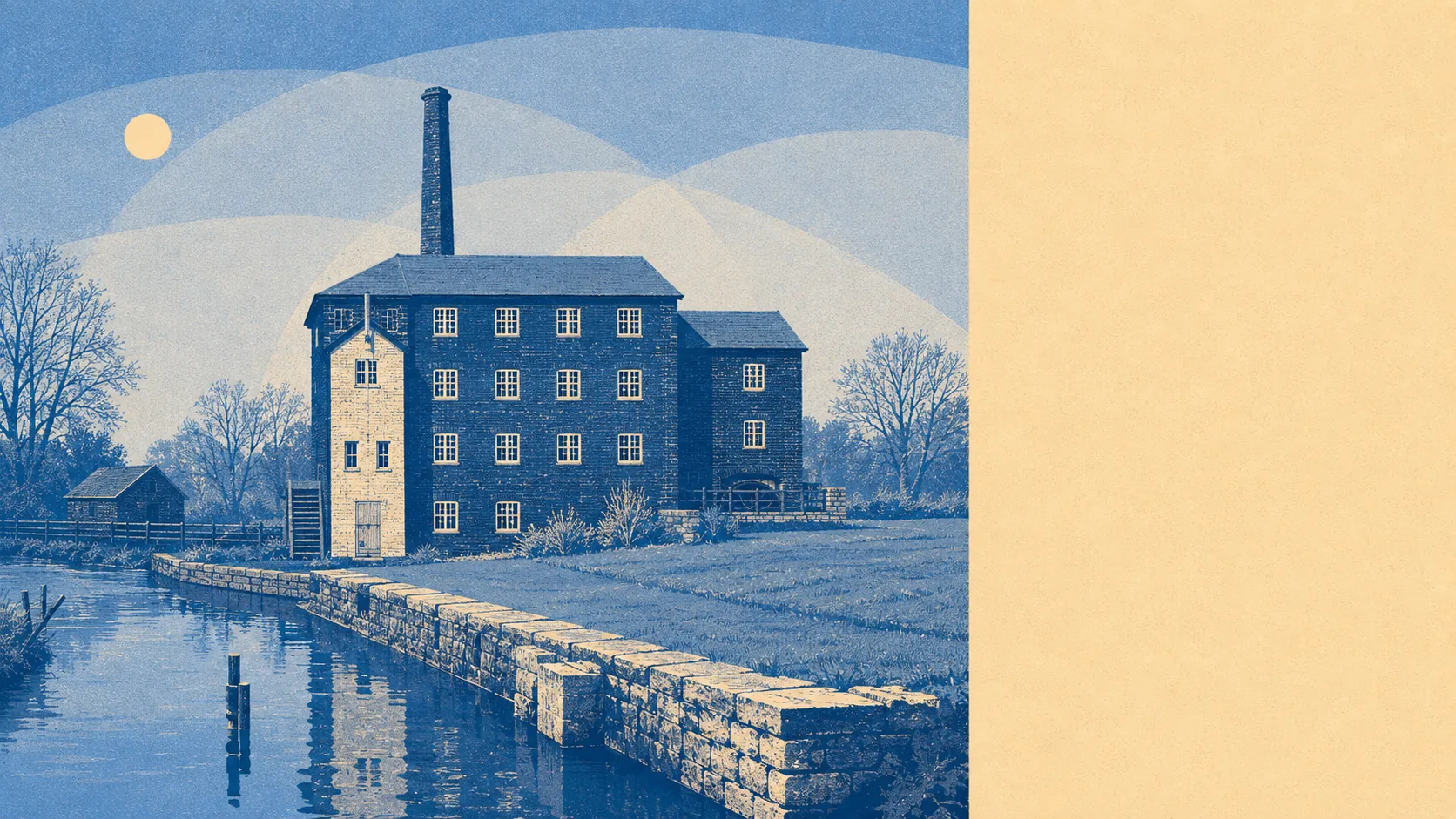
What the area feels like follows from where it sits. Uffculme is one of a scatter of small settlements strung along the valley, with Craddock, Smithincott, Ashill, Prescott and Willand nearby, and the parkland at Bridwell and the old mill at Coldharbour giving the parish more history than a village of this size normally carries. There is a working church, a school, and enough surrounding hamlets that the postal address covers a good deal more countryside than village.
The private outdoor space is where this place quietly wins. Gardens here run to roughly 283,000 square metres per thousand residents, which is a way of saying that the standard house comes with a garden a suburban buyer would consider a small paddock. Anyone moving from a terrace with a yard is going to spend the first summer buying tools.
On eating out, all 16 rated food premises in the area hold the top food hygiene score, with none at the bottom of the scale. That is a clean sweep, and rare enough to be worth stating plainly.
One honest absence: no area of outstanding natural beauty, no site of special scientific interest and no ancient woodland overlaps this area. The countryside here is working farmland and river valley rather than protected landscape. That means fewer designations to admire and fewer designations to argue with when somebody wants to build something.
The surroundings are the strongest thing Uffculme has going for it, and it is not a close contest. Green space at the doorstep, water a few hundred metres away, gardens with room to swing a spade, and none of it requiring a designation to justify itself.