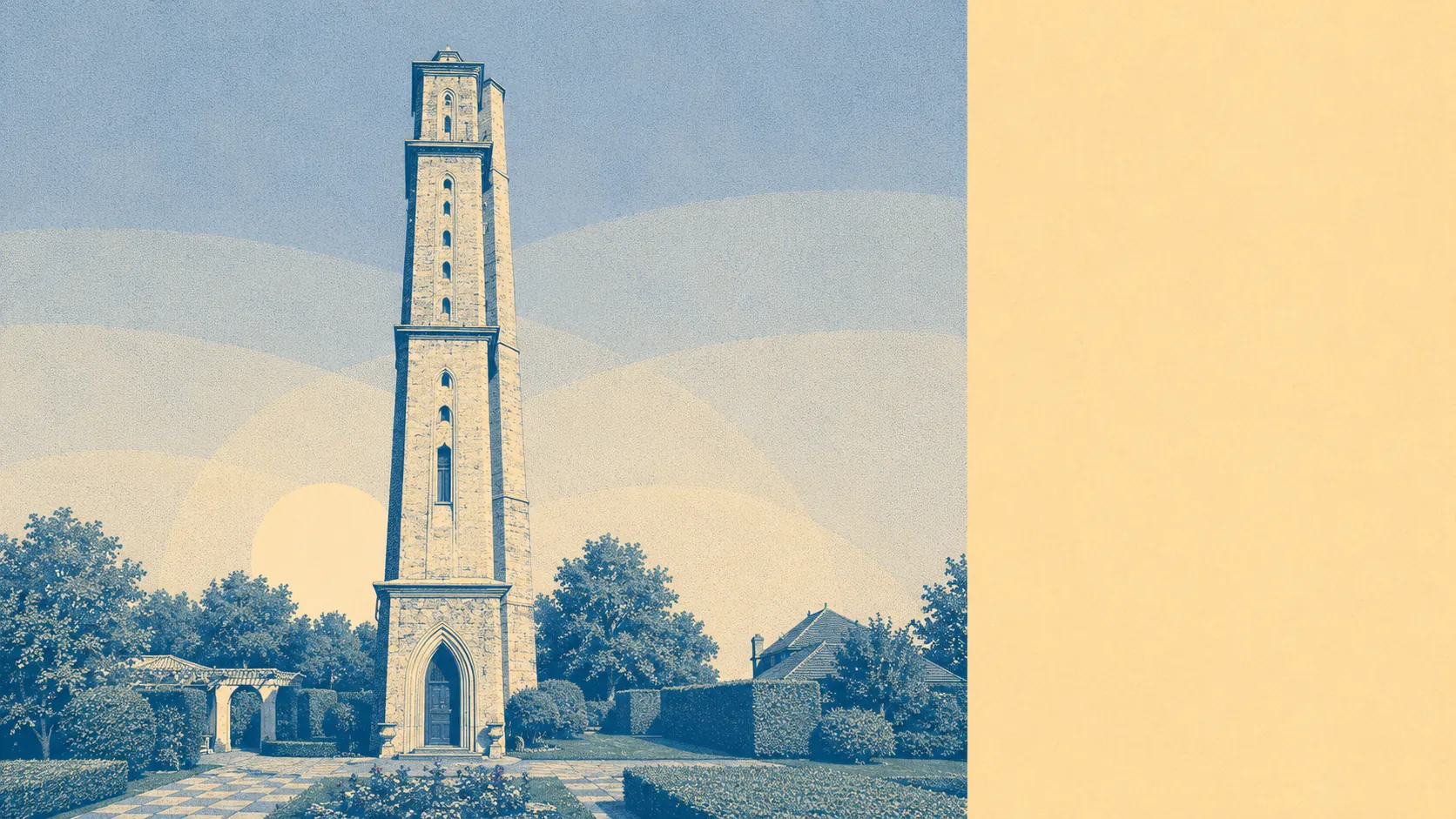
Sway is a good place to live, provided you've mostly finished the striving part. The people who own here tend to own outright and dig in for good. The typical resident is comfortably into their mid-fifties. Crime runs well below the surrounding district. This is not a village going anywhere, and that stillness is precisely the pitch.
The housing does the settling for you. Roughly three-quarters of the homes are houses, about a fifth are bungalows, and only around one in twenty is a flat, so this is a place built for people who want a garden and a spare room, not a place built for people starting out. The energy ratings give away the age of the stock plainly enough. Close to half the homes sit at band D, just over four in ten reach the top three bands, and about one in eight fall to band E or worse, which is the honest signature of forest housing that went up long before anyone lost sleep over insulation.
None of it is cheap. A typical sale over the past year landed at about £570,000, and the split by type is exactly what you'd expect from a village of detached houses on generous plots. Detached homes went for around £630,000, terraces for roughly £480,000, and semi-detached homes for about £430,000. Council tax matches the picture, with the most common band sitting at E and fewer than one in ten homes down in the cheapest A or B bands. You pay forest-village rates whether you use the forest or not.
Renting is barely a category here, but the wider area gives a sense of it. Typical private rent across the New Forest area runs at about £1,240 a month, which buys you less drama and more commute than the same money would nearer a city. Sway itself hands over very few of its homes to tenants, so anyone renting in the village is renting from a short and picky supply.
Safety is the part that actually earns its reputation. The published crime rate comes in at about thirty-seven recorded crimes per thousand people a year, which sits roughly thirty-six percent below the New Forest average. That is low by any measure and low without asterisks. A forest village of settled owner-occupiers is not where much happens, and the figures agree.
Connectivity is the surprise. Sway has its own railway station on the South West Main Line, which puts London Waterloo at the end of a single train rather than a change-and-hope relay. Most people don't use it, mind. More than four in ten residents work from home and only a sliver commute by train, which tells you the station is insurance rather than routine. Broadband holds up better than a forest village has any right to expect, with gigabit-capable lines reaching about nine in ten properties and superfast coverage effectively universal.
The surroundings are the reason to be here at all. This is New Forest national park land, and open green space sits under three hundred metres from the average front door, with something like eight or nine such spaces within a kilometre. Flooding stays a footnote rather than a headline. A small share of postcodes carry a high surface-water risk, fewer still a medium one, and only a sliver sit in the highest river flood zone. For a village wrapped in heath and water, that is close to a clean sheet.
Heritage sits light on the place, which is good news if you want to change your house. There are only four listed buildings in the whole area, among them the Church of Saint Nicholas and Peterson's Tower, and no conservation area drawing lines through the streets. That means most owners can extend, reglaze and modernise without a heritage officer reading over their shoulder. In a national park, freedom to alter your own home is not nothing.
The character follows from who lives here. Well over eight in ten households own their homes, the typical resident is in their mid-fifties, and the middling household income lands around £64,500 a year. This is a village of people who arrived with equity and intend to stay put. It is calm, comfortable and slightly closed, in the way that settled, well-off villages usually are.
Sway suits anyone whose life is arranged around home rather than around going out. Downsizers who want a bungalow and a garden, remote workers who want trees out of the window and a mainline station for the days they can't dodge the office, families who rate a low crime rate and quiet lanes over nightlife and choice. If your ideal weekend is a long walk and a short pub, this is your postcode.
It suits nobody chasing energy, cheap rent or a first flat. There is little to rent, less that's affordable, and nothing resembling a scene. Buyers hoping for a bargain will find forest-village prices with no discount for being inland, and anyone in a hurry to be somewhere lively will feel the quiet pressing gently on the back of the neck.
The verdict lands above average, and it lands there honestly. The local community is the standout, as safe and settled as anywhere you'll find, and that steadiness is what people are really buying. The weak spot is the arithmetic of getting in. On price and value the place scores poorly, because you pay a premium for the forest, the calm and the postcode, and the house you get for the money would be larger almost anywhere else. Sway is a good place to live if you can afford to stop pushing. If you still need your money working as hard as you do, buy the quiet later.