St John's Wood gives you safe streets, a park round the corner and about 650 listed buildings with opinions about your extension. Most of what makes the district pleasant is protected, and the protection reaches all the way to your back wall. Buy the home you want on the first day. The district will make you work for any version of it you dream up later.
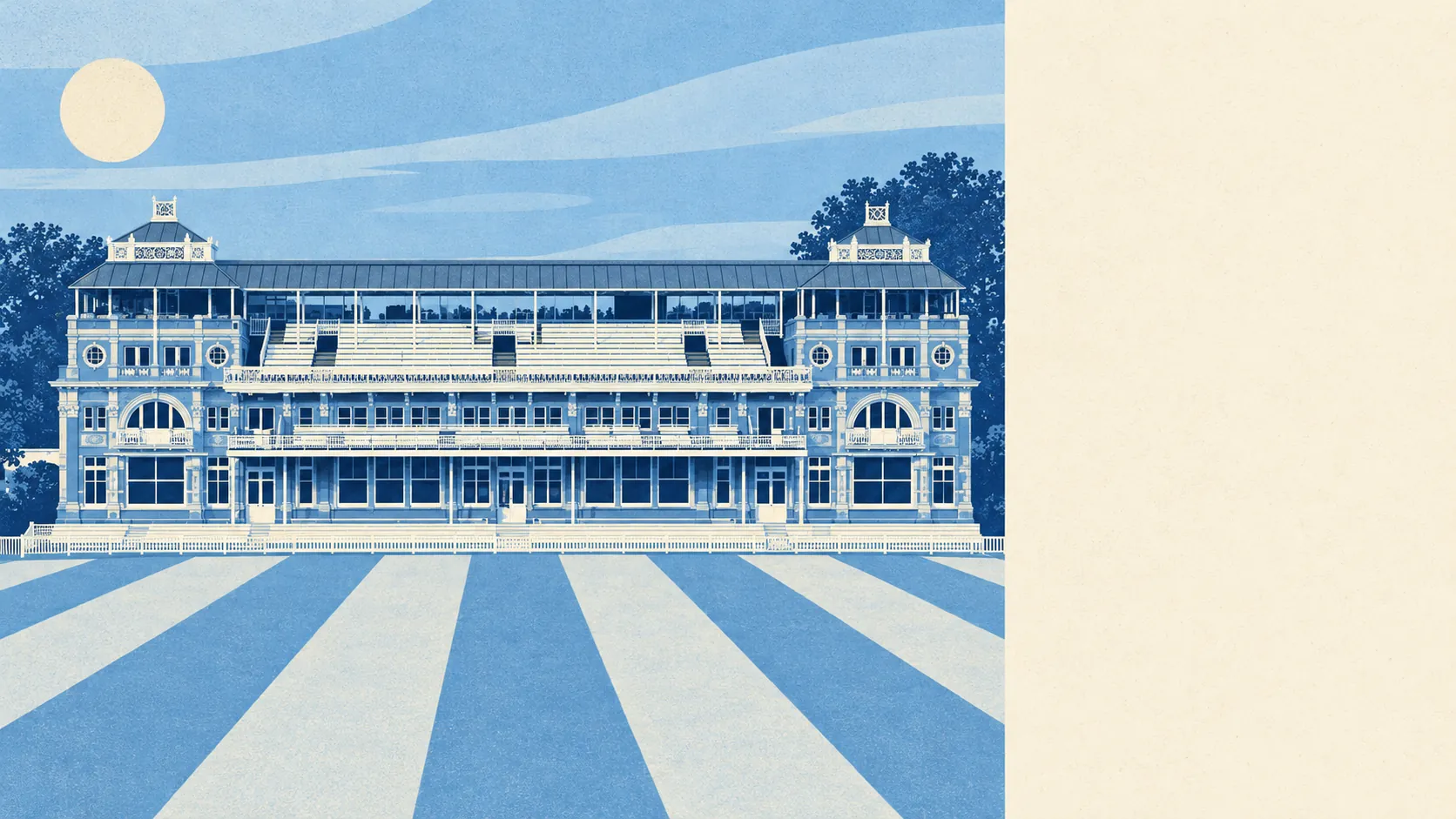
The list is long. There are 655 listed buildings in and around St John's Wood, 11 of them Grade I and 21 Grade II*, spread across 17 conservation areas including St John's Wood itself, Maida Vale, Elsworthy and Lisson Grove. Eight entries sit on Historic England's Heritage at Risk register. For a buyer this means a new window, a roof terrace or a rear extension is a conversation with the council, and on a listed house it is a long one. People keep trying. There were 795 planning applications across the district in the twelve months to June 2026. Even the Pavilion at Lord's Cricket Ground is on the list, and your loft conversion faces the same umpire.
Crime is where St John's Wood surprises people who know Westminster. The Metropolitan Police recorded about 155 crimes per 1,000 residents here in the year to May 2026, about 65% below the Westminster average. Violence makes up about 20% of the total against 35% nationally. Theft from the person runs at about 7% of crime here, against 2% across England and Wales, so the phone in the back pocket is the thing worth guarding.
Then the bill. The Land Registry's last twelve months, to May 2026, put the typical sale price at about £865,000 across 144 sales. Flats sold for a median of about £712,500, terraced houses about £2,960,000, semi-detached houses about £5,700,000 and the five detached houses that changed hands about £9,850,000. That last figure is five sales, which is less a market than a guest list. Council tax is the odd mercy: the most common band is C, about 12% of homes sit in bands A or B, and Westminster charges about £1,050 a year at Band D. Renting is just as steep. Westminster's typical private rent was about £3,150 a month as of April 2026, a figure for the whole authority and its one-bedroom flats and family houses together.
The housing is mostly flats, whatever the villa on the brochure suggests. Westminster's valuation list puts about 89% of dwellings in St John's Wood as flats, 6% terraced and 2% each detached and semi-detached, and about 30% of homes were built before 1930. On energy certificates, 61% of certificated homes rate C or better. About 55% heat with mains gas and about 15% rely on electric-only heating, the kind of detail that turns up on the first winter bill.
The people are mostly renters. Only about 29% of households own their home, with roughly 40% renting privately and 30% from a social landlord. The typical resident is about 37. The Office for National Statistics models gross household income at about £72,500 for the financial year to March 2023, an average across the district's middle-layer areas that smooths over the gap between a Grove End Road house and a Lisson Grove flat. About 54% of adults hold a degree, and about 54% of working residents said they worked from home at the 2021 Census. The commute question answers itself for half the district.
Getting about is easy, and few bother with a car. About 61% of households have none. The district has 134 bus stops, averaging about 447 departures each weekday and around 23 an hour at peak. The Department for Transport modelled the trip to a town centre at about 12 minutes by public transport in 2019, a figure that ages as services change. About 81% of premises can get gigabit broadband and 99% superfast.
Flooding is a minor matter. About 12% of postcodes flag high risk on at least one indicator, surface water included, while none fall in the Environment Agency's river-and-sea flood zones. The risk here comes from drains on a heavy afternoon.
Schools are a strength. All 25 settings Ofsted has graded locally are good or outstanding, nine of them outstanding. The three primaries in the district's figures, St John's Wood Primary School and Gateway Academy among the names on the map, average about 106 in Key Stage 2 maths, and the one secondary in the figures posts an Attainment 8 score of 51. Harris Academy St John's Wood is the local secondary name. Three local schools have closed recently, so the map in an old guide is out of date.
The surroundings carry the place. The average home is about 150 metres from green space, with around 40 green spaces within a kilometre, and water is about 490 metres away. Regent's Park and Primrose Hill mark the eastern edge, and the Regent's Canal has its own conservation area. The garden ration is decent too, at about 17,000 square metres per 1,000 residents.
The roll call of former residents is mostly people who made things. Sir Lawrence Alma-Tadema painted at 44 Grove End Road, Sir Thomas Beecham conducted from 31 Grove End Road, and Sir Joseph Bazalgette, the civil engineer, lived at 17 Hamilton Terrace. Sculptors Gilbert Bayes and Sir William Reid Dick worked here, as did Dame Barbara Hepworth. The streets that once produced paintings and sculpture now produce planning applications, and wait longer for a decision.
The district works for people who want the park, the schools and safe streets, and who can live with the home as built. A couple renting a flat near Regent's Park, or a family buying a terraced house they already love, will do well. Anyone planning to buy a tired house cheaply and add a basement, a glass box and a top floor should look somewhere with fewer listed neighbours, because here the conservation officer gets a say in every room you add.
That is the trade. You get green space a short walk from almost every front door, low crime and strong schools. In return, the house you buy is very nearly the house you keep, with the plans held by the council as much as by you. For a buyer who wants the place more than the project, St John's Wood is a better bet than most of its neighbours make it look.