Open country, and a lot of it, starting almost at the front door. Fields, moorland and river valleys run in every direction from the town. Green space is minutes away on foot rather than by car. Water is close, cycle routes are closer, and the gardens are the size that only inland Cornwall still offers. The surroundings are the best argument this town makes.
Access to open space is about as good as the mapping gets. The average postcode here sits roughly 150 metres from a green space, with around 11 separate sites within a kilometre. That is not a park you drive to at weekends. That is a dog walk you do in slippers before you have properly woken up.
Water is nearly as close. Blue space averages around 600 metres away, with about eight sites within a kilometre, which in this landscape means the rivers and streams rising in the eastern parish and running west, the Menalhyl through the northern end of town, and the reservoir water feeding off towards the coast. None of it is the sea. All of it is wet, and it is the reason the valleys look the way they do.
For getting out into it under your own power, the National Cycle Network passes within about 190 metres of the average postcode, and roughly 96% of postcodes sit close to a route. There is no ancient woodland recorded in the area, so the tree cover is hedgerow and copse rather than anything old enough to have a preservation order and a plaque.
The high street is a working one rather than a destination. Across the wider area the valuation records show 94 shop premises, 26 pubs and 5 restaurants, which is a ratio that tells you something about how Cornish market towns spend their evenings. Seventeen food premises carry a current hygiene rating.
On air, the council area recorded fine particle levels of about 5 micrograms per cubic metre in 2024. For a place surrounded by farmland and served by a bypass rather than a through road, that is the number the geography would predict.
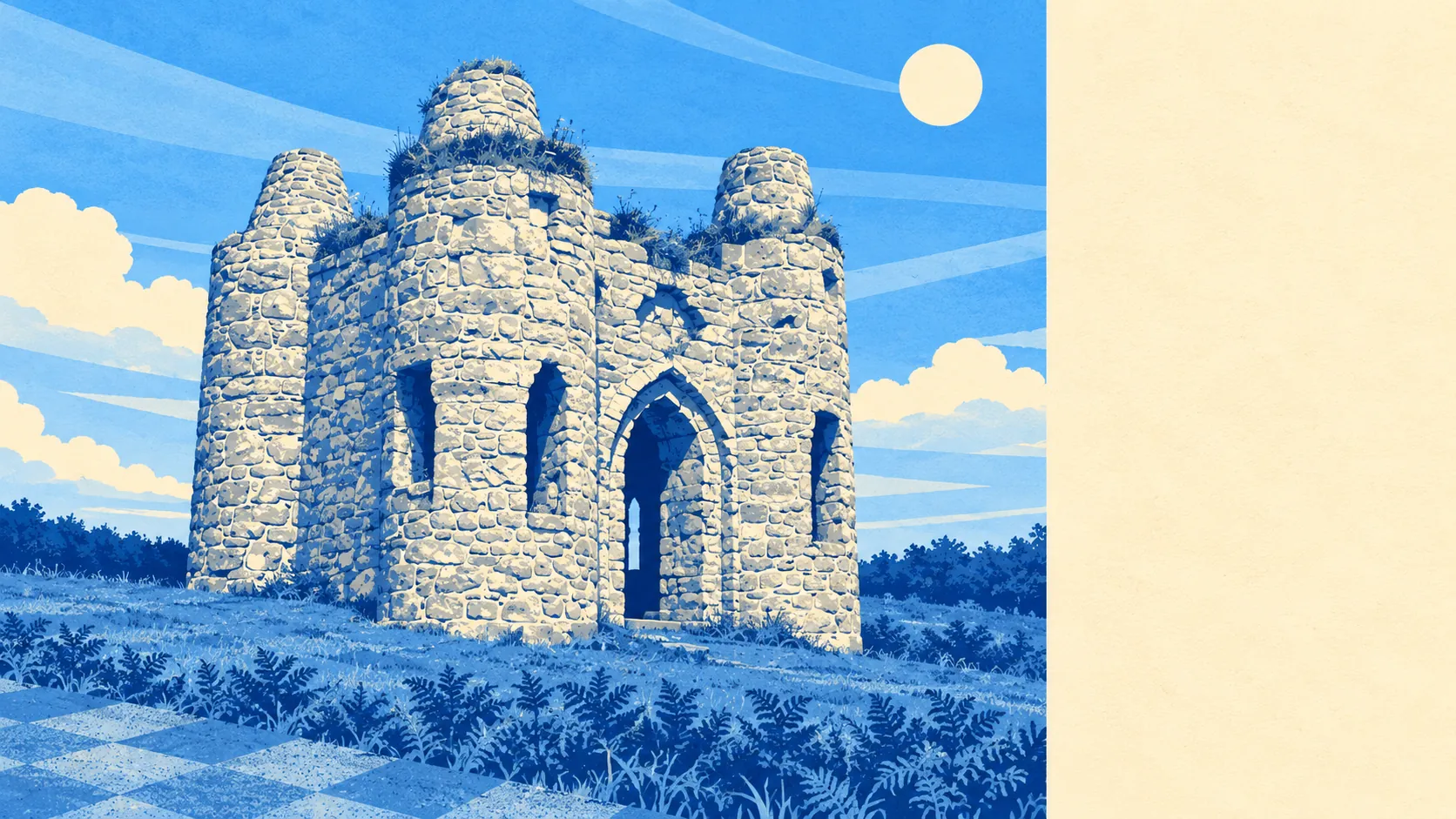
The character comes from what sits around the town rather than in it. Castle-an-Dinas, the Iron Age hillfort on the high ground to the east, is the landmark everyone points at. Goss Moor spreads out to the south-east, Castle Downs to the east, and the Vale of Lanherne runs west towards St Mawgan through the kind of valley that gets described as scenic by people who have never had to cycle up it. Hamlets ring the parish: Talskiddy, Ruthvoes, Trebudannon, Trevarren, Gluvian, and the crossroads settlements at Black Cross and White Cross. The nearest proper towns are Newquay and Indian Queens, and neither is close enough to intrude.
Private outdoor space is the quiet advantage. Gardens here run to roughly 165,500 square metres per thousand residents, which is the measure that matters when comparing places, and it is a figure that simply does not exist in a town built of flats. Houses here have back gardens, and back gardens here have room in them.
What is physically present in the town is modest and functional. The local rating list carries 135 separate premises in the town itself, with the wider area also holding about 63 office premises. These are rateable premises on a valuation list rather than a guarantee of anything currently trading, which is worth remembering before anyone pictures a bustling commercial centre.
Eating out is a short list and a clean one. Of the 17 rated food premises, about 71% hold the top hygiene score, and none sit at the bottom of the scale. Small choice, no horrors.
There are no protected landscape designations covering the area itself: no national landscape, no site of special scientific interest, no ancient woodland. That is not a shortfall. It means the countryside here is working farmland rather than curated scenery, and it means the planning constraints that come with a designated landscape do not apply to the houses.
The surroundings are the strongest thing about this place by a distance. Open space in every direction, gardens with actual room in them, and nothing designated enough to attract coach parties.