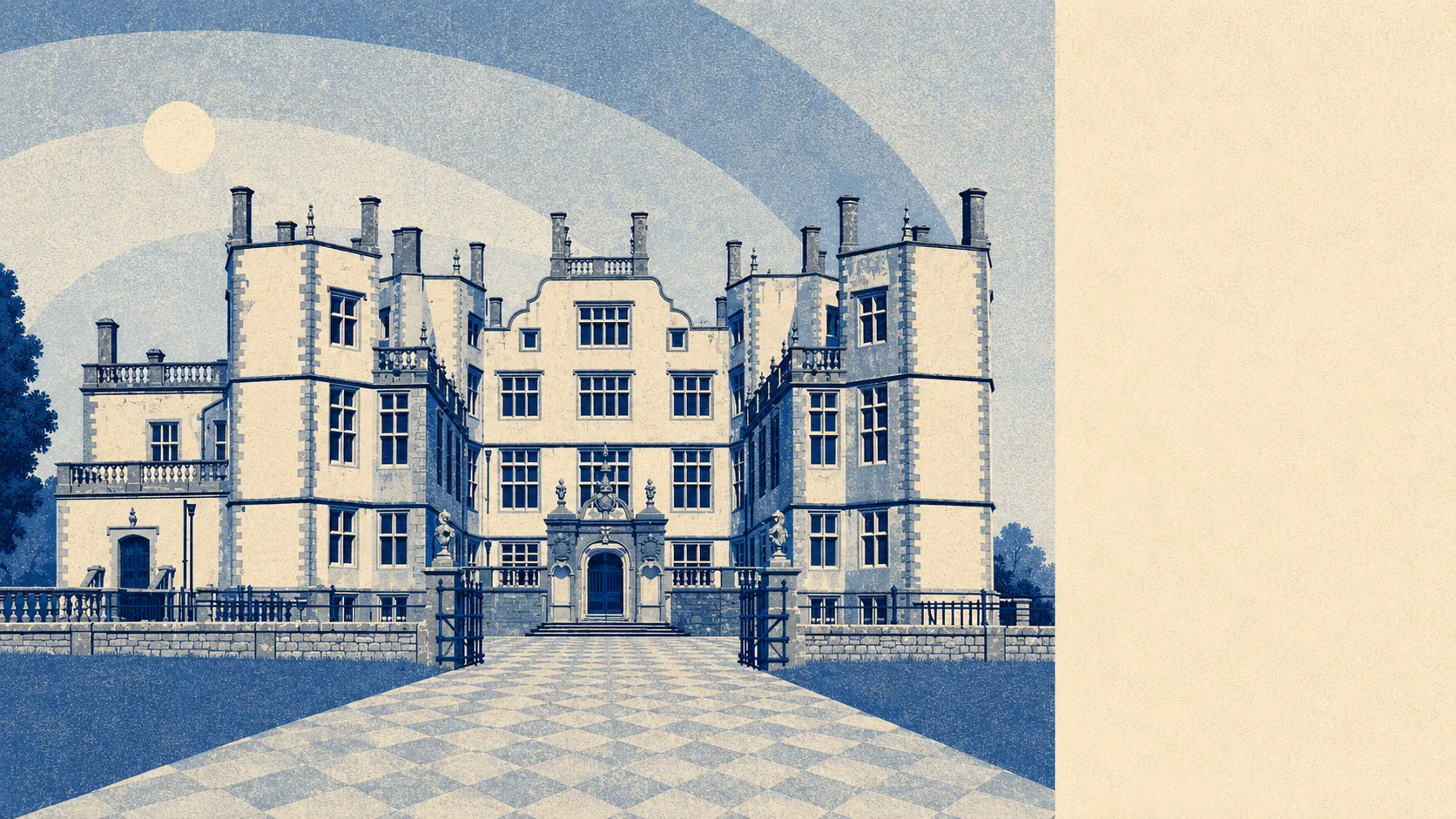
Yes, and the paperwork gets a vote on almost every version of it. Nearly four hundred buildings in this town carry a listing. The historic core sits inside a conservation area. Three scheduled monuments sit within the same bounds. Extending here is entirely possible, it just stops being a private arrangement between you and a builder the moment you pick up a pen.
The listed count is 385, and the split matters more than the total. Thirteen are at grade one, nineteen at grade two star, and 353 at grade two. That last group is where most buyers get caught out, because grade two gets treated in conversation as the soft option, the one that only really covers the front elevation. It does not. Listed building consent applies to works affecting the building's special character inside as well as outside, so a staircase, a fireplace, an internal wall or a run of original windows can all be in scope, and carrying out work without consent is an offence rather than a fine you negotiate afterwards. In a town where the honey-coloured stone is the entire selling proposition, the thing you bought it for is also the thing you are not allowed to modernise.
There is one conservation area, covering Sherborne itself. Conservation area status brings its own layer on top: extra control over demolition, restrictions on work to trees, and closer scrutiny of anything that changes how a building reads from the street. Materials, window frames, roof coverings and boundary walls all get looked at through that lens rather than the ordinary one.
Three scheduled monuments sit in the area. Scheduled status is the strictest protection tier in the system, and it matters mainly if a plot sits on or immediately beside one, at which point ground works become a different conversation entirely.
None of which stops people. The planning register for the area records 883 applications between April 2024 and July 2026, with 373 of them in the last twelve months. Householders here are extending, converting, reroofing and rearranging at a steady clip. Whatever the constraints do, they do not freeze the town, and anyone assuming a listed market town means nobody ever builds anything has not looked at the volume.
The practical version, then. Permitted development rights are the national default that lets people add a rear extension or a loft conversion without a full application, and listing and conservation area status are precisely the things that narrow or remove them. Whether they apply to a particular house is an address-level question, not a town-level one, and the answer sits in the listing entry and the conservation area boundary rather than in the estate agent's particulars. Check both before you offer, and price a consent process into the budget rather than a free weekend.
Freedom to alter a home is where Sherborne asks the most of its owners. The stone, the grades and the conservation boundary that make the town worth photographing are the same three things standing between you and the extension you sketched on the drive home.