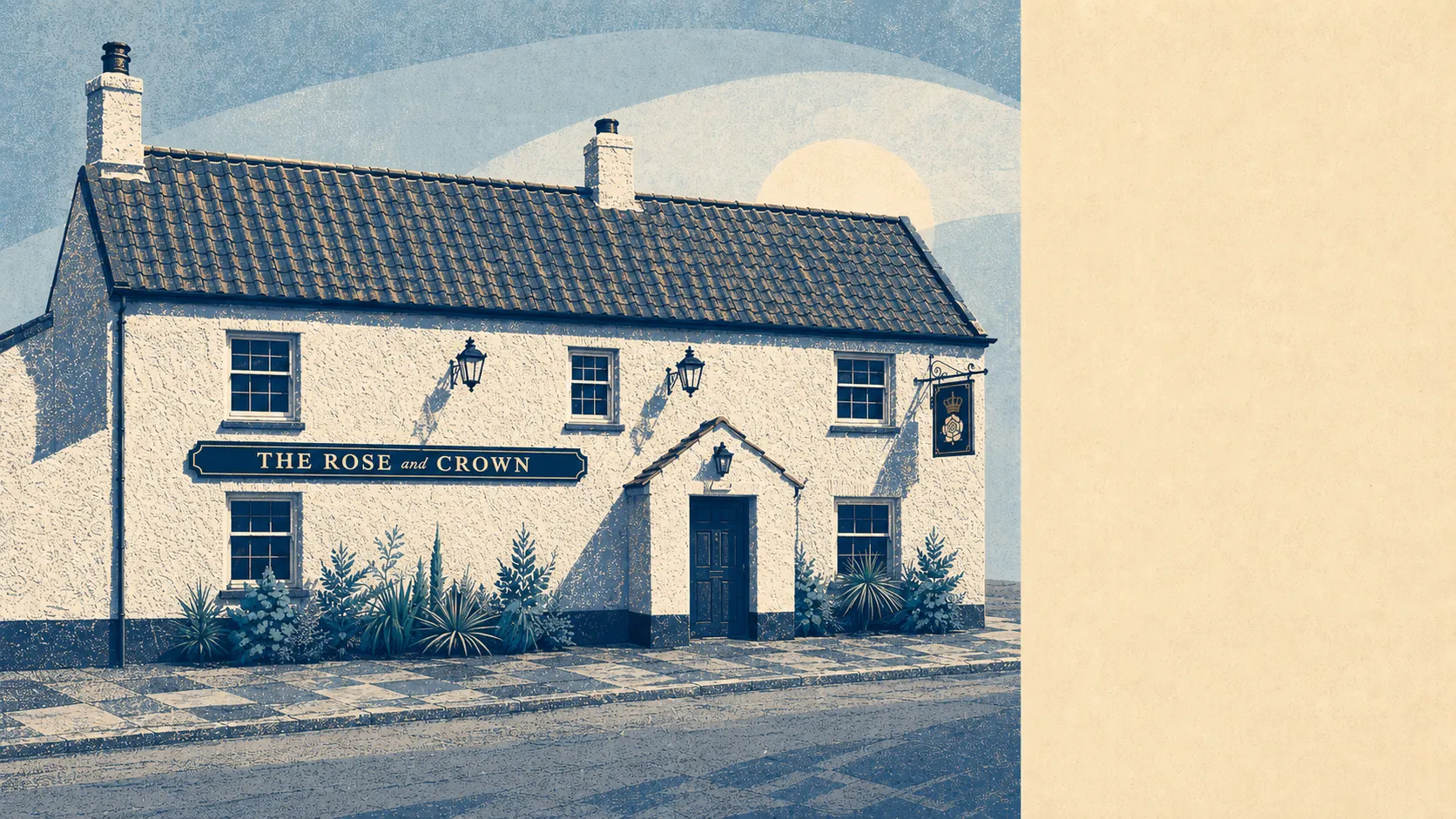
For most houses, yes, with a heritage tripwire that catches a specific minority. The great bulk of Pucklechurch is ordinary housing where the usual rules apply and a sensible extension is a realistic project. The complication is a cluster of protected buildings and one protected area at the village core, and if your house falls inside either, the freedom narrows sharply. So the honest answer splits in two: straightforward for the many, closely supervised for the few.
Start with the listed buildings, because they are where the strictest limits live. Pucklechurch carries nearly 40 listed buildings in and around the village. The overwhelming majority sit at grade two, the standard level of protection, with three at the higher grade two star and one at grade one, the top tier, which is the ancient church of Saint Thomas à Becket. If you own a listed home, the protection covers the whole building inside and out, not just the pretty front, and most meaningful changes need listed building consent on top of any ordinary planning permission. That takes in work you might assume is your own business, such as swapping windows, moving internal walls, or bolting a modern extension onto historic fabric. It is doable, but it is a negotiation with the conservation team rather than a weekend decision.
Then there is the conservation area. The village has one, covering the historic centre, and living inside it adds a layer even when your own house is not individually listed. Conservation status tightens what you can do to the outside of a property and to anything that affects the character of the street, so alterations that would pass without comment elsewhere can need consent here, and some routine permitted changes are reeled back under closer control. The point of the designation is to stop the old core being nibbled away one plastic door at a time, and it does that by making you ask first.
In practical terms, the dividing line is whether your address sits in the protected pool or outside it. A typical unlisted house on a post-war street beyond the conservation boundary keeps most of the usual permitted development freedoms, and a rear extension or a loft conversion is the sort of thing that goes ahead in the ordinary way. A listed cottage or a house inside the historic centre plays by stricter rules, needs consent for more, and should never be bought on the assumption that you can reshape it freely. Check the exact status of the specific property before you draw up plans, because the answer changes house by house rather than village-wide.
So the verdict is a qualified yes. Extending in Pucklechurch is genuinely possible for the majority and genuinely constrained for the heritage minority, which puts your freedom to alter somewhere in the sensible middle rather than at either extreme. Work out which side of the line your house sits on before you commit, and the rest follows.