Nailsea is a coal town that grew up, got a mortgage, and bought a second car. Roughly four in five people own their homes. The median resident is 51. Nearly half the households run two cars or more. This isn't the countryside and it isn't Bristol. It's the comfortable bit in between, eight miles southwest of the city, and it's fine with that.
The housing is post-war and practical. Two in three homes are houses, about one in six are flats and another one in six are bungalows, most built between the fifties and the early eighties when Nailsea did the bulk of its growing. That vintage shows in the energy ratings. Over four in ten homes sit at band D, under half reach band C or better, and about one in ten are band E or worse. Translated, that means solid brick-and-tile family houses that cost a bit to heat and win no awards for insulation. Nobody moves here for architectural drama. They move here for a driveway and a spare bedroom.
A typical sale over the past year landed at around £365,000, across roughly 210 sales, so this is a place where property changes hands rather than only gets listed. The headline hides a wide spread. Detached houses run to about £540,000, semis and terraces sit closer to £300,000 to £320,000, and the handful of flats that sold came in around £175,000. Most homes fall in council tax band C, with only about one in five down in the cheaper A-to-B brackets. This is family-house money, not first-flat money, and the market knows it.
Renting is the minority sport here, with four in five homes owner-occupied. For the ones that do come up, the typical private rent across the North Somerset area runs at about £1,200 a month, which buys considerably more square footage than the same money does up the road in Bristol. That gap is most of Nailsea's pitch in a sentence.
On crime, Nailsea does well. The published rate is about 45 recorded crimes per thousand people a year, which is roughly half the North Somerset average. This is a town where the big Saturday-night talking point is more likely to be the queue at the Tesco petrol station than anything you would call an incident. Low crime is the quiet reason a lot of people with children end up here and never leave.
Getting out is a two-track story. Nailsea and Backwell station sits on the edge of town toward Backwell, with regular services along the Bristol line and a few peak trains straight to London Paddington, which is a real asset for a town this size. Almost nobody uses it. Barely one resident in a hundred commutes by train, because nearly four in ten now work from home and a little under half still drive everywhere. Broadband picks up the slack, with gigabit available to about nine in ten homes and superfast to nearly all of them. You can work from a spare room in Nailsea faster than you can get to the platform.
The setting is green and easy. Most homes sit within about 200 metres of a park or open space, with something like seventeen green spaces inside a kilometre of the average front door, and the North Somerset Levels and the Land Yeo give the town its soft, watery edge. That water is also the catch. About one in six postcodes carry a high flood-risk flag and around one in five a medium one, the legacy of building a town on drained moorland. Very little of that is river or coastal flood-zone land, but surface water on low-lying ground is a real feature, and it is worth checking any specific address before you commit.
For anyone planning to knock things about, Nailsea is relaxed. There are around fifty listed buildings in and around the town, two of them top-grade, but they cluster in the old courts and churches on the fringes rather than across the ordinary streets. There is a single conservation area at Nailsea Kingshill and a few scheduled monuments, including what is left of the old glassworks and colliery. For most owners that means you can put in a loft conversion or a rear extension without a heritage officer reading your plans like a hostile book review.
The character follows from the numbers. Roughly four in five own their homes, the median resident is 51, and the typical household income sits around £67,000, all of which describes a settled, middle-aged, comfortable town rather than a churning one. People arrive, raise families, and stay put, which is why the school run and the garden centre carry more social weight than any bar. It is calm to the point that calm is the product.
It suits a particular buyer. If you want a family house with parking and a garden, low crime, and a train to Bristol or London you might use twice a year, Nailsea delivers all of that without drama.
It works less well if you are young, carless, and after a night out you can walk home from. Public transport is thin, the town winds down early, and a place where nearly half the households run two cars is quietly telling you that you will want one too. Buy here for the life stage, not the postcode.
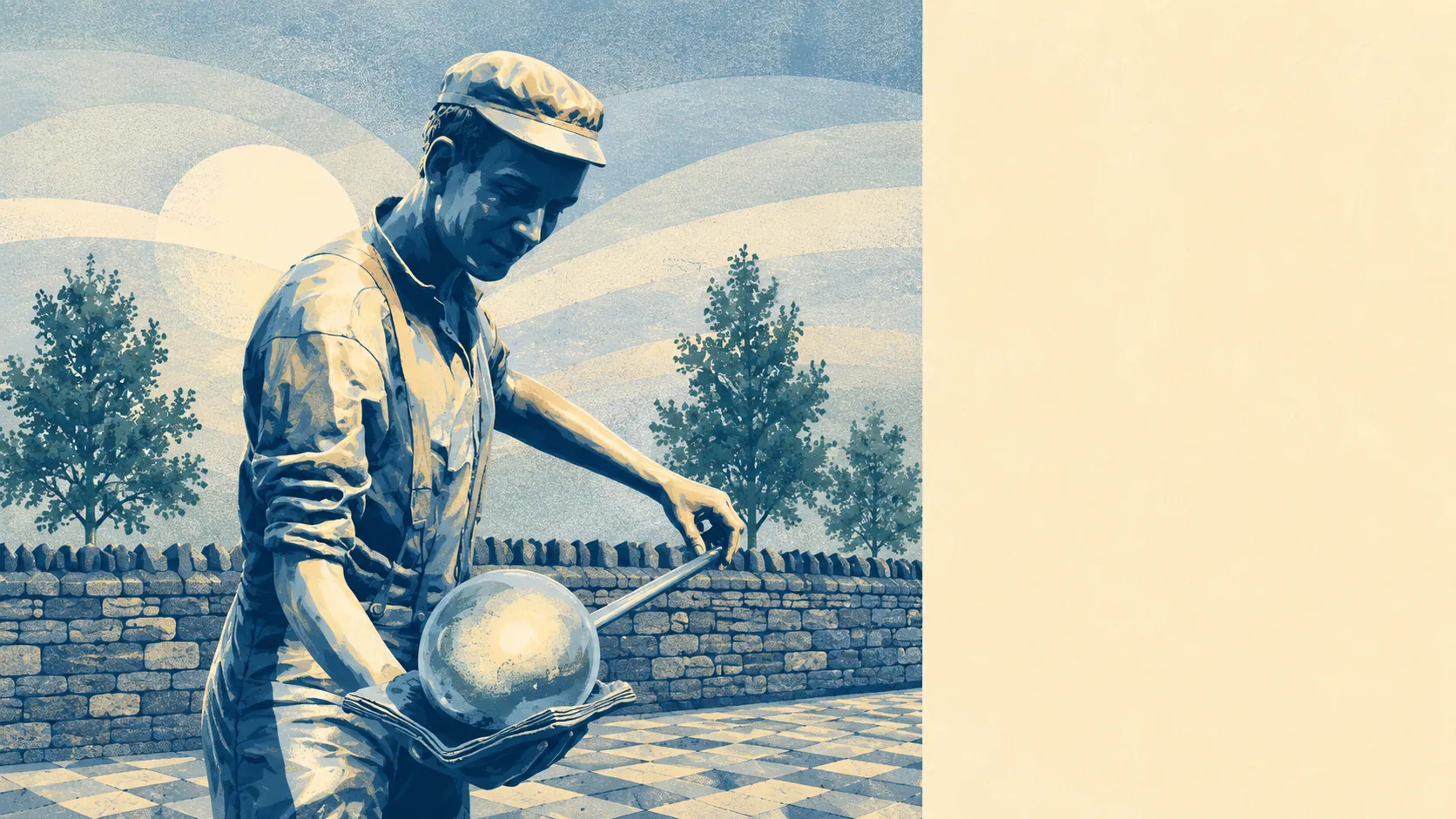
None of this comfort is new. Nailsea grew on coal from the 16th century and then on glass, when John Robert Lucas opened the Nailsea Glassworks in 1788 and built it into the fourth-largest in the country before it closed in 1873. The site now sits under a Tesco car park, which is about the most Nailsea ending a piece of industrial heritage could have. The town's other claim is musical: Adge Cutler of The Wurzels worked at the local Coates cider factory, and the band recorded Live at the Royal Oak at the pub of that name on the High Street. A coal-and-glass town that gave the world scrumpy-and-western is not taking itself too seriously, and that suits it.
So, is Nailsea a good place to live? On the whole yes, and the scorecard backs it: above average overall, with a strong local community and low crime doing most of the lifting. The one real mark against it is flood risk, the price of a town built on drained moor. Get the survey, check the address, and if the water comes back clean you have bought into one of the calmer, greener, better-behaved corners of the Bristol commuter belt. Nailsea will not thrill you. It was never trying to.