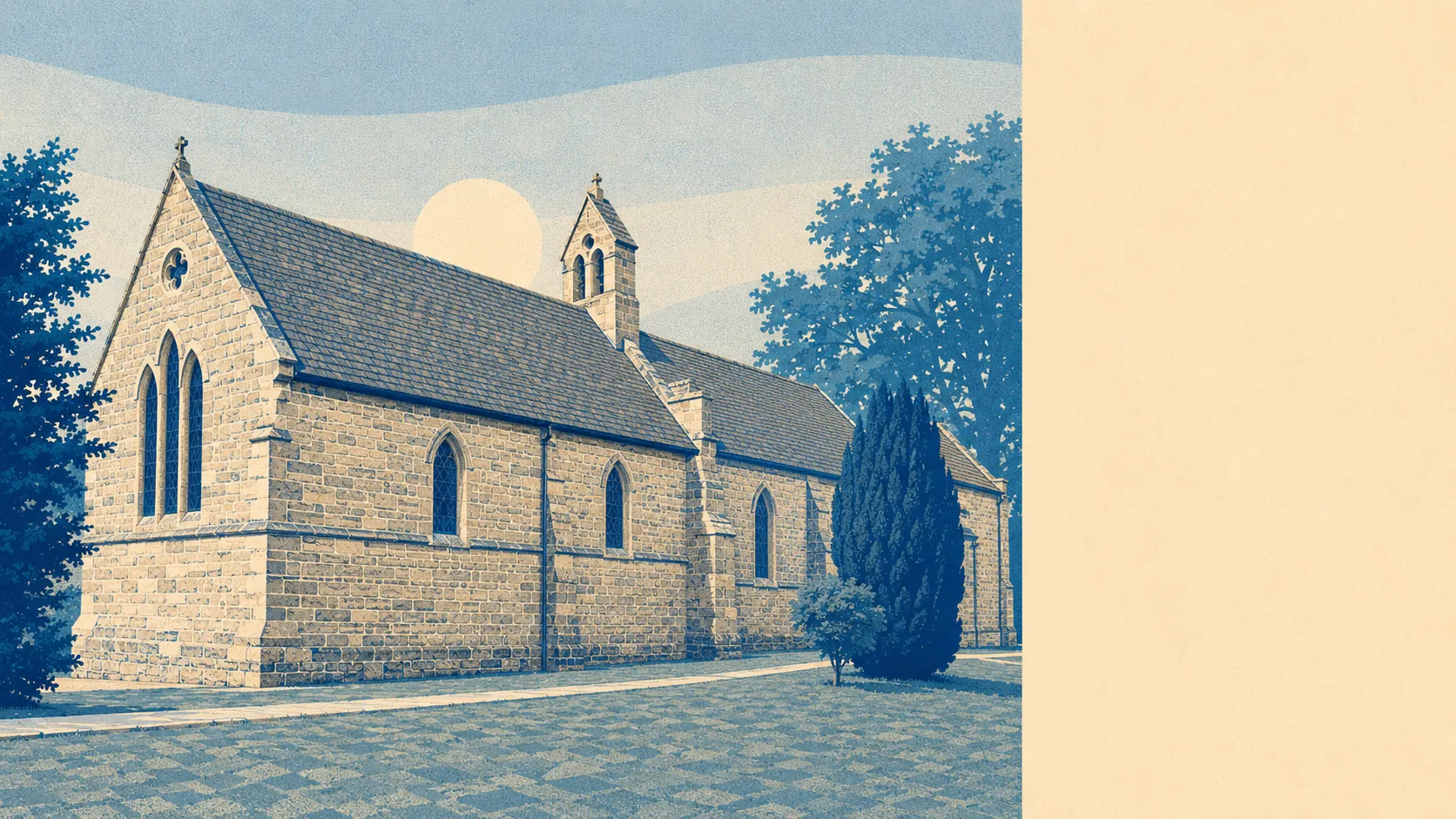
Whether you can extend a house in Locks Heath depends almost entirely on which house you bought. Most of the suburb is estate housing put up between the early 1980s and the early 2000s, unlisted and unremarkable, and those homes carry the ordinary rights to extend. The wider area, though, holds 183 listed buildings and seven conservation areas, and if your address falls inside one of those, the rules change completely. There are two scheduled monuments in the mix as well. The short answer is yes for the many, and not without a fight for the few.
Start with listing, because it is the hardest constraint to argue with. Of the 183 listed buildings across the area, the overwhelming majority, 174 of them, are Grade two, with seven at the higher Grade two-star and two at the top Grade one. Listing means consent for almost any change that touches the building's character, inside as well as out, down to windows, doors and the odd internal wall. It is a long-term commitment rather than a formality. The saving grace is that these buildings cluster in the older villages such as Titchfield and Old Bursledon, not across the modern estates, so the number of Locks Heath buyers who inherit those rules is small.
Then there are the seven conservation areas: Old Bursledon, Titchfield, Titchfield Abbey, Hook, Swanwick Shore, Sarisbury Green and Warsash. Inside one of these, the ordinary freedoms shrink. Extra consent can be needed for work that would be waved through elsewhere, from demolition to tree work to changes that alter the look of the street, and the usual permitted-development rights are often clipped back. None of these areas is Locks Heath's core estate land, but they wrap the suburb closely, and plenty of the older properties buyers covet sit right inside them.
In practice this splits the housing stock into two planning worlds. A standard unlisted house outside the conservation lines has the normal permitted-development room for a rear extension or a loft, within the usual national limits, and no special heritage hurdle to clear. A listed or conservation-area home needs consent for far more, and gets told no far more often. The area logged around 940 planning applications in the last year, which shows the appetite to extend is alive and that plenty of schemes do get through. The trick is knowing which world your front door opens into before you exchange.
On the freedom to extend or alter, Locks Heath scores below average, and the heritage spread is why. Buy a plain estate house and you will likely never feel it, but the moment a listing or a conservation boundary is involved, your plans belong to the planners. Check both before you buy, because the line between free rein and a consent battle is drawn on a map you cannot see from the street.