Yes, if you want a town that works rather than one that performs. Liskeard is a proper market town with a railway station and a ring of villages that depend on it. The prices are the cheapest honest ones in this corner of Cornwall. The crime rate is the one number that stings. What you are buying is a functioning town, not a postcard, and that distinction is the whole answer.
The stock is houses, which will surprise anyone who has spent a weekend looking at Cornish coastal flats. On the council-tax valuation list, which covers every dwelling rather than only the ones certificated since 2008, about 32% are terraced, 21% semi-detached, 18% detached and 15% bungalows, with flats down at 13%. Roughly 23% of it was built before 1930, so there is a solid Victorian and Edwardian layer under the post-war and late-century estates. Energy certificates put around 63% of the certificated stock in bands A to C, with about 27% at band D and around 11% at band E or worse. Heating is mostly mains gas at about 73%, and around 9% of homes run on electricity alone, which in an older terrace is a running-cost fact worth knowing before the viewing rather than after the first winter bill.
On price, the Land Registry's last twelve months to May 2026 put the typical Liskeard sale at about £220,000 across 127 transactions. Split by type, terraced homes came in around £180,000, semi-detached around £232,000 and detached around £295,000, with the small flat market down near £100,000. Council tax runs low: band B is the most common, and about 53% of dwellings sit in bands A or B. That combination, a workable family house at a price that does not require a London exit, is the single strongest argument the town makes for itself.
Renting is measured across the wider Cornwall council area rather than Liskeard alone, and the typical private rent there is about £1,000 a month as of April 2026. Treat that as the regional going rate, not a Liskeard-specific quote, and expect the town's older terraces to sit below it and the newer detached stock above.
Safety is the weak spot, and pretending otherwise would be an insult to anyone who checks. The published rate for the area is about 114 recorded crimes per thousand people over the twelve months to May 2026, which sits roughly 53% above the Cornwall average of about 74. Some of that is what happens to any town that hosts the shops, the pubs and the bus stops for a large rural catchment: the incidents get recorded where the amenities are, not where the people sleep. That explanation is real, but it is not a get-out. Violence and sexual offences make up about 44% of recorded crime here against about 35% nationally, and criminal damage and arson about 11% against about 7%. Devon and Cornwall Police charged in about 8% of cases over the same period, against about 12% nationally.
Getting about is a mixed bag with one clear winner. Liskeard Rail Station sits on the main line, with the smaller halts at Causeland, Coombe Junction Halt, St Keyne Wishing Well Halt and Menheniot nearby, and yet only about 1% of residents commute by train and about 1% by bus. Around 58% drive to work and about 18% work from home. There are 71 bus stops in the area, with 52 carrying service data averaging about 49 weekday departures each, and about 98% of those stops see some weekend service. A fifth of households have no car at all, which in a place with this geography is a real constraint rather than a lifestyle choice. Broadband is the standout: gigabit-capable connections reach about 88% of premises, superfast about 93%, and no premises fall below the universal service obligation. At least one mobile operator covers about 100% of the area, and all operators cover about 95%.
Flooding is not the headline problem here that it is elsewhere in Cornwall. None of Liskeard's postcodes fall inside the river-and-sea flood zones under the Environment Agency's mapping, and none sit in recorded historic flood extents. On the broader postcode indicators, which include surface water and count a postcode if any single indicator fires, about 4% show a high rating, about 7% medium and about 21% low. Radon is the geological item to take seriously: the whole area sits in the highest band, so a test and, if needed, a sump are ordinary Cornish housekeeping rather than an alarm. Green space is the compensation and it is genuinely excellent, with the average postcode about 136 metres from a green space and roughly 24 of them within a kilometre. Water is about 672 metres away on average. Ground stability is unremarkable across shrink-swell, landslide and soluble-rock classes, all sitting in the lowest class.
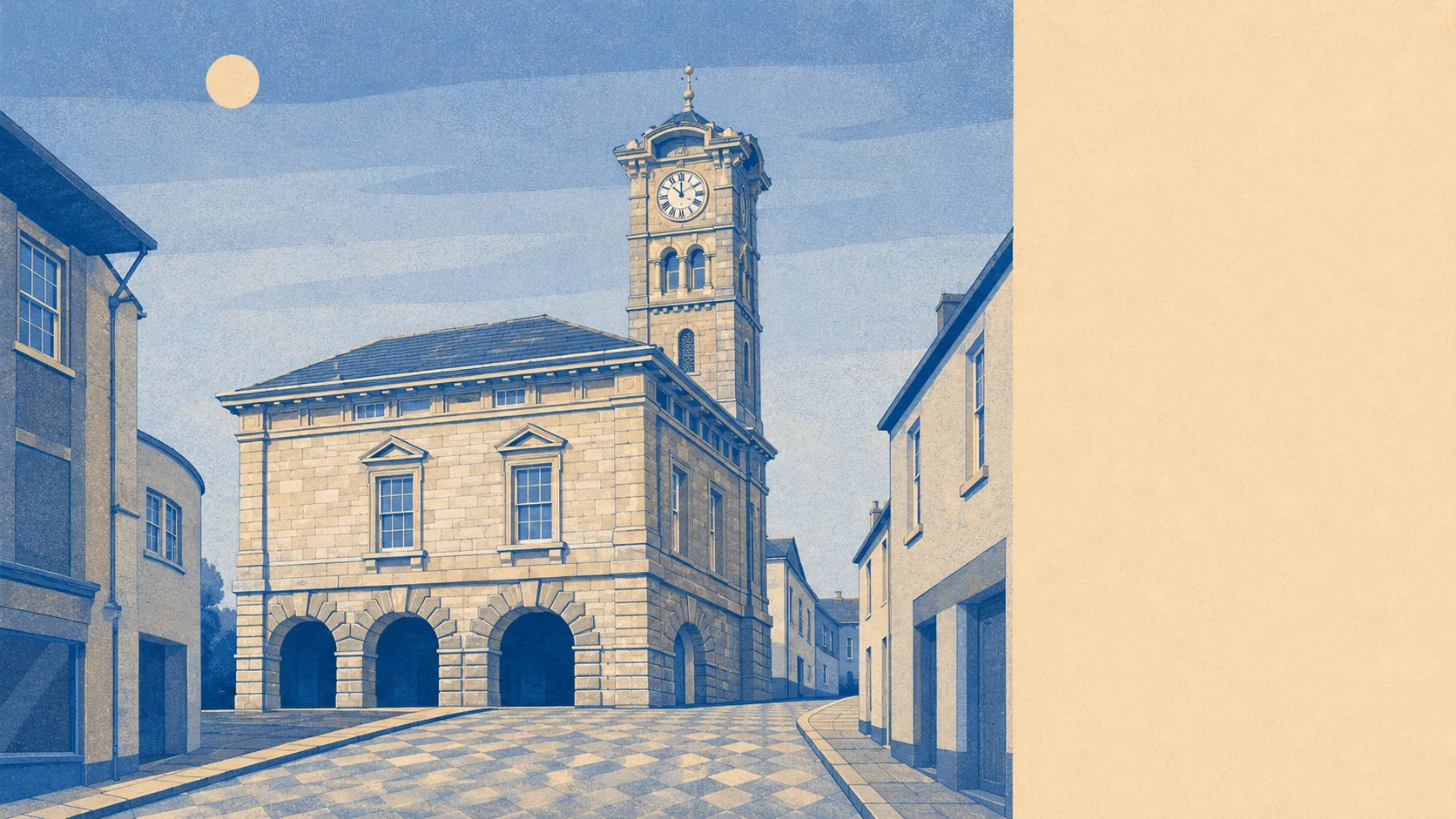
Heritage is present without being oppressive. There are 183 listed buildings in the area, 6 of them grade two star and the rest grade two, plus one conservation area covering central Liskeard and two scheduled monuments. Buy inside the conservation area or a listed building and window replacements, solar panels and extensions become a conversation with the planners rather than a decision you make on a Saturday. Buy on one of the later estates and none of it touches you. The Guildhall, Stuart House, the Parish Church of St Martin and the viaduct are the anchors that give the centre its shape.
The character follows from the price. About 57% of homes are owner-occupied, the typical resident is 44, and household income runs at about £43,040 gross before tax in the financial year to March 2023. About a third of households are single-person and around 16% are single pensioners. This is a town of people who live here rather than visit, which sounds obvious until you have spent an afternoon in a Cornish harbour village in February.
This page covers the surrounding settlements too: Menheniot, Minions, Pensilva, St Cleer, St Ive, St Neot and Tremar. Each is its own thing, and all of them look to Liskeard for the station, the secondary school and the weekly shop.
It suits buyers who want a real house with a garden at a price that leaves something over, who will use the main line rather than admire it, and who are content that the nearest hospital is a serious drive at about 39 minutes by car. Families do well here: Ofsted has graded 95 of 120 settings in Cornwall as good or better, with 3 outstanding, and Liskeard School and Community College takes the secondary intake for this whole corner, alongside Liskeard Hillfort Primary School and St Martin's Church of England Primary School.
It does not suit anyone who needs a coastal address, who wants the crime numbers to look tidy on a spreadsheet without reading what sits under them, or who expects a town of this size to carry a hospital, a choice of secondary schools and a night bus.
The town has form for producing people who argued with things. Emily Hobhouse came from here, as did Charles Buller and the architect Richard Coad. Thomas Pooley was jailed for blasphemy in 1857, which tells you something about how strongly opinions have historically been held locally. Wilkie Collins passed through and dismissed the place in print as an abomination of desolation, a verdict that has aged into a badge rather than a wound.
Liskeard is above average and honest about why. Its real strength is what surrounds it: green space within a couple of minutes of nearly every front door, Bodmin Moor to the north-west, and a chain of villages that give the town a purpose beyond itself. The weak spot is safety, where the recorded rate genuinely sits well above the county average and no amount of catchment-effect explanation makes that disappear. Buy here for the house, the garden and the train, go in with your eyes open about the town centre on a Friday night, and the arithmetic works better than almost anywhere else within reach of the Tamar.