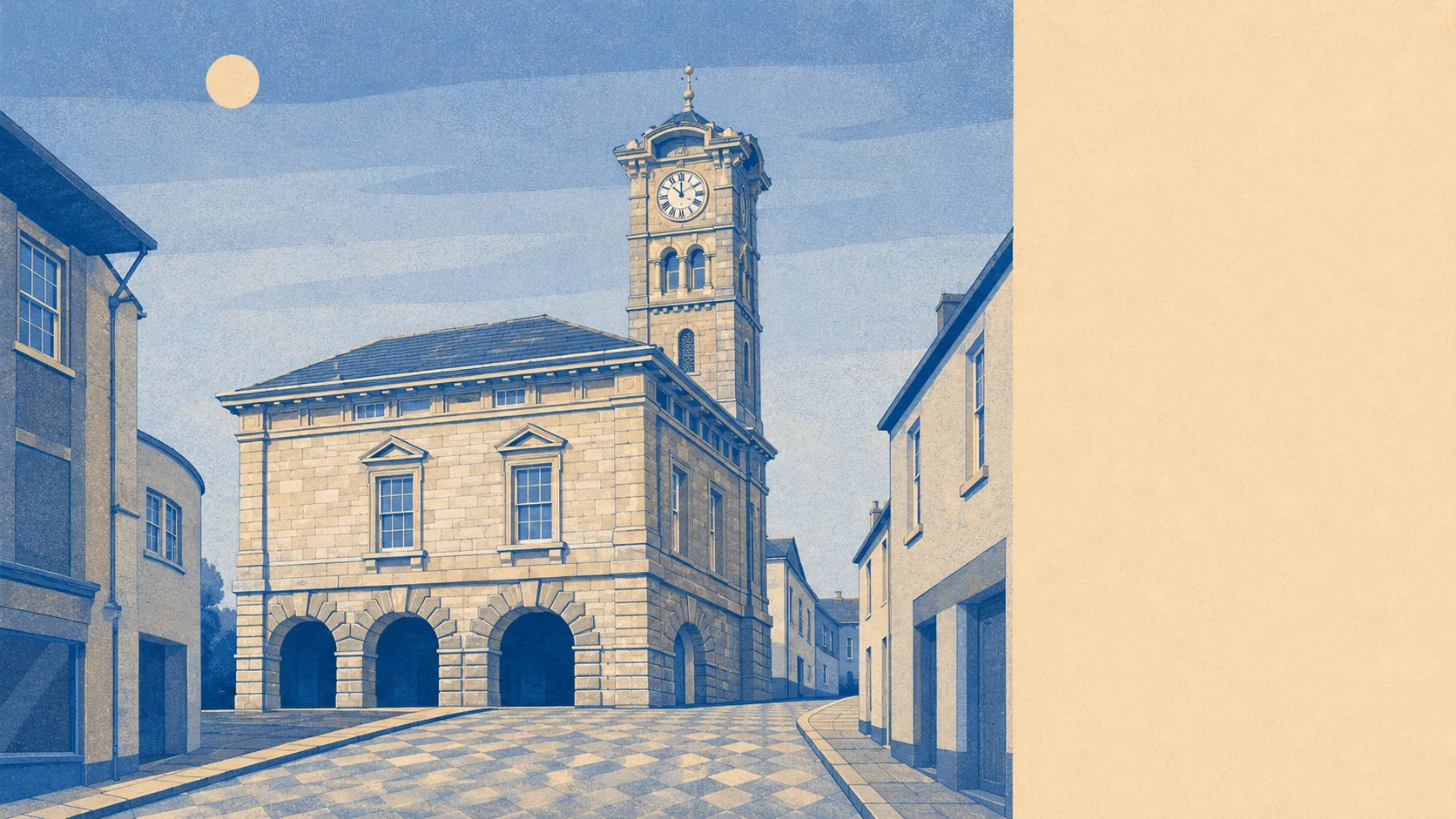
Yes, across most of the town, with a paperwork detour if you land in the old bit. Liskeard has a heritage core and a great deal of house sitting outside it. The listed stock is almost entirely the ordinary grade rather than the museum grade. One conservation area covers the centre. Where you buy decides whether you ring a builder first or a planning consultant.
There are 183 listed buildings in the area. None are grade one, 6 are grade two star, and the remaining 177 are grade two. That distribution matters more than the headline count. Grade two is the working tier of listing, the one applied to terraces, chapels, farmhouses and the odd well, and it is common enough across a Cornish market town that owning a listed home here is unremarkable rather than exotic. What it does mean is listed building consent for anything affecting the building's character, which covers interior work as much as the front elevation, so replacing windows, opening up a wall or fitting panels on a roof all become applications rather than decisions. Consent is separate from planning permission, you can need both, and carrying out work without it is a criminal matter rather than a fine you shrug off.
One conservation area covers central Liskeard. Designation does not freeze a place, but it tightens the rules a notch: demolition and works to trees come under control, and some of the permitted development rights that let an ordinary homeowner crack on without asking are trimmed back. The practical effect is that the same rear extension is a straightforward job on a 1970s estate and a considered application in the old centre.
Two scheduled monuments sit within the area. That is the strictest protection tier in the system and it applies to the monument and its setting rather than to housing generally, so it matters if you are buying land adjoining one and is otherwise a non-event.
The useful evidence is what neighbours are actually doing. Planning records for the area carry 755 applications between April 2024 and June 2026, with 310 of those in the most recent twelve months. That is a town where altering your house is a normal activity rather than a heroic one, and it is worth more than any general reassurance about local attitudes: people here submit, and they keep submitting.
Practically, the split is clean. Buy on one of the later estates, outside the conservation area and off the list, and the standard permitted development rights apply in the usual way, which covers a lot of loft conversions and single-storey rear extensions without a planning application at all. Buy a grade two terrace in the centre and assume consent for anything visible, plus a conversation about materials. Either way the check happens before exchange, not after the architect has drawn something you cannot build. The designation sits on the title and the public record, and finding out costs an afternoon.
Freedom to alter a home here comes out middling: real constraints in the historic core, and very little in the way of obstacles once you are outside it. Choose the house with your plans already in mind, and the system here is more accommodating than the listed-building count suggests.