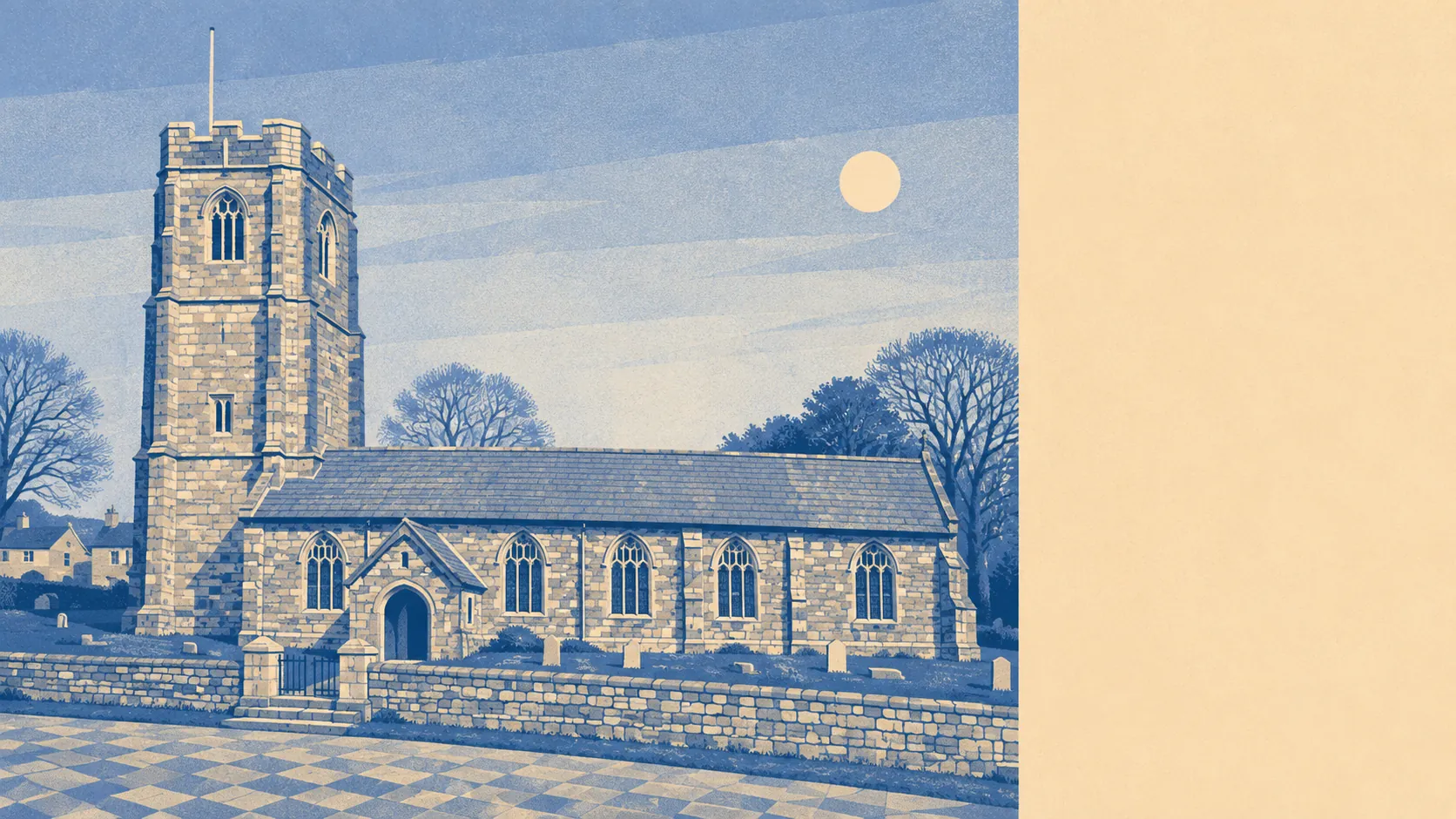
Yes, and with less interference than most of Cornwall serves up. No conservation area covers the village at all. Only a handful of buildings carry a listing. Hundreds of planning applications have gone in across the area in the past couple of years. The thing most likely to complicate a Lanivet extension is not the council's view of your windows, it is what somebody dug out from under the garden a century and a half ago.
Start with what is protected. There are 13 listed buildings in the area: one at grade one, four at grade two star and eight at grade two. Listing attaches to the building itself, inside and out, and covers alterations that would not need permission anywhere else, including window replacements, internal layout changes and anything touching the fabric. If you buy one of those 13, listed building consent becomes part of your life. If you buy one of the several hundred houses that are not on the list, none of that applies to you, and the absence of a conservation area means nobody is regulating your paint colour or your front boundary wall on aesthetic grounds either.
Two scheduled monuments sit within the area's bounds. That is the strictest protection tier in the system, tighter than listing, and it matters mainly if your land is near or under one. Anyone buying with development ambitions on a plot close to a monument should establish exactly where its boundary runs before spending money on drawings.
The live evidence is that people around here alter their homes constantly. Between April 2024 and June 2026, 538 planning applications were submitted across the wider area, 215 of them in the most recent twelve months. That is a functioning stream of householder work rather than a place where nothing moves, and it is the most useful signal available: your neighbours are already doing this.
Then the ground. Every one of the village's postcodes has recorded abandoned mine workings within 500 metres, and 17 of them sit directly over one. This is not coal country, so the coal-mining reporting process does not apply, but a mining search will still form part of a normal conveyance and a specialist report may be requested on top of it. Practically, that means two things: a lender or an insurer may ask questions that they would not ask elsewhere, and a substantial extension with new foundations may need ground investigation before anyone signs off on a design. None of that predicts a problem with any particular house. It predicts paperwork, and occasionally a survey bill.
One listed building in the area appears on Historic England's Heritage at Risk register. That is a statement about the condition of that specific building, and it means repair work there will attract both scrutiny and, potentially, grant support. It has no bearing on an ordinary unlisted house nearby, whatever a nervous solicitor might imply.
For most buyers here, the honest position is straightforward. An unlisted house outside a conservation area keeps its permitted development rights, which is the route most rear extensions, loft conversions and outbuildings take without a full application. Anything beyond those limits goes to Cornwall Council as a householder application like anywhere else. What is different about Lanivet is not the planning layer, it is the ground layer, and that is a question for the survey rather than the planning portal.
Freedom to alter a house is one of the better things about buying here, thanks mostly to the total absence of a conservation area. Budget your caution for what is underneath the plot rather than for what the planning department will say about the back of it.