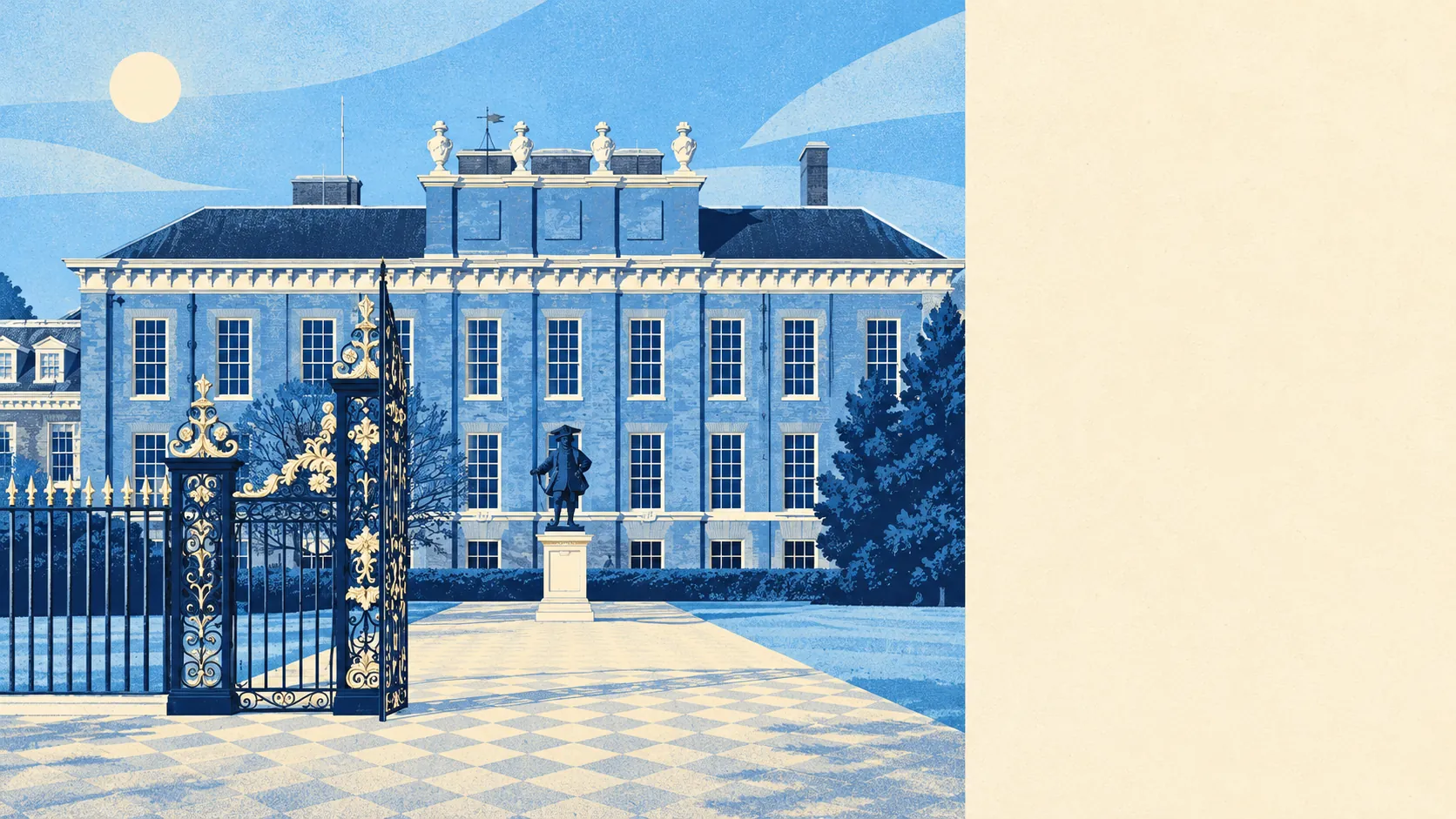
Kensington has excellent neighbours and an entry fee to match. Seven in ten adults have a degree. Hardly anyone describes their health as bad. A typical sale still costs about £1,425,000. Getting on with the neighbours is easy, and paying for the front door is the hard part.
Fewer than half of households own their home here, about 44%. Roughly 48% rent privately and 8% rent from a social landlord. The typical resident is 41. In the financial year to March 2023, gross household income averaged about £87,700. That figure is modelled by the Office for National Statistics for neighbourhoods and then averaged across the area. About 69% of adults hold a degree, unemployment is 3%, and 91% say their health is good or very good. The government's index of deprivation also moved Kensington from an average decile of about 7.4 in 2019 to 7.9 in 2025, so a comfortable place got slightly more comfortable.
The Land Registry recorded 173 sales in the year to May 2026, at a median of about £1,425,000. Most of those were flats: 139 of them, at around £1,120,000. The 29 terraced houses went for a median of about £5,195,000, and the three detached sales for about £4,700,000. The detached houses came in cheaper than the terraces, which happens when there are only three of them and the terraces are Kensington terraces. The official house price index has the area's average down almost 11% in the twelve months to May 2026 and about 5% lower than five years earlier. Even after that slump, a flat still costs seven figures. Council tax follows the money. Band H is the most common band, bands A and B together cover about 2% of homes, and a band H bill comes to about £3,333 a year.
Typical private rent across the Royal Borough of Kensington and Chelsea is about £3,600 a month, and that borough-wide average came in 1.8% lower in the year to April 2026. The same borough averages about £2,570 for a one-bed and about £5,510 for four bedrooms or more. When most households rent, a small fall like that counts as good local news.
On the council-tax list, about 78% of Kensington's homes are flats and about one in six are terraced houses. Semi-detached and detached houses barely register, at 2% and 1%. About 65% of the homes were built before 1930. The energy certificates split down the middle, with about 50% rated A to C and 13% rated E or worse. Mains gas heats about 63% of homes, and around 14% run on electric heating alone, which is a lot of high Victorian ceilings to warm on a meter.
Historic England lists 438 buildings in the area, six of them Grade I and 35 Grade II*. There are two conservation areas, Queensway among them, and one listed building is on the Heritage at Risk register. In a listed home, plenty of what an owner would call maintenance needs consent first. In a conservation area, changes to the outside get planning scrutiny. Leighton House and Linley Sambourne House are both listed, and their Victorian owners decorated as if nobody would ever be allowed to change a thing. They were right.
The Environment Agency puts none of Kensington in its river-and-sea flood zones 2 and 3, and about 2% in the zone that allows for climate change. Postcode flood indicators that include surface water tell a wetter story. About 13% of postcodes are high on at least one indicator, 23% medium and 42% low. The risk here comes from rain falling on the streets, though, and it still has to find its way into the drains.
Kensington's published crime rate is about 147 offences per 1,000 residents for June 2025 to May 2026. That is about 19% below the Kensington and Chelsea average of around 183. Most of it is about possessions. Other theft makes up 13% of crime here against 7% across England and Wales, and theft from the person 7% against 2%. Violence and sexual offences are 21%, against 35% nationally. Crime here tends to want your belongings, not you.
Most residents don't have to travel much. About 67% of working residents worked from home, about 52% of households have no car, and 1% commuted by train. The 67 bus stops average about 716 weekday departures each, with around 37 in the peak hour, and every one of them has a weekend service. Kensington (Olympia) serves the western edge. The Department for Transport's 2019 model put the nearest town centre about 22 minutes away by public transport, and bus timetables have probably changed more since then than the walking routes have. Gigabit broadband reaches about 92% of premises.
Green space is about 130 metres from the average front door, with around 34 green spaces within a kilometre, Holland Park and Kensington Gardens among them. Water is about 640 metres away. Private gardens are small and the public ones are royal, and most people seem happy with the deal.
The church of St Mary Abbots takes its name from Abingdon Abbey, which Aubrey de Vere gave a share of the manor after the Conquest. Freddie Mercury lived here, and so did the actress Renée Asherson and the director Antonia Bird. The High Street was named London's second best shopping street in 2005. Its silver medal lasted until 2008, when Westfield opened in nearby White City.
Kensington is right for well-paid renters and for buyers whose budget starts at a seven-figure flat and who want parks, buses and neighbours who are doing well. Anyone hoping for a house with a garden on an ordinary income should look somewhere cheaper.
Kensington is a better-than-average place to live, as long as you can afford it. The neighbours make it worth living in, and the prices are why most of them rent.