Hornsey is a decent place to live, provided you like your home roughly the way it was built. The map around it holds about 2,200 listed buildings and 40 conservation areas, so the loft you sketched on the train home may end up meeting a planning officer with strong views on roof lines. The woods and parks start almost at the front door. That trade, a lovely place to walk out of and an awkward place to rebuild, puts it squarely in the middle of the pack.
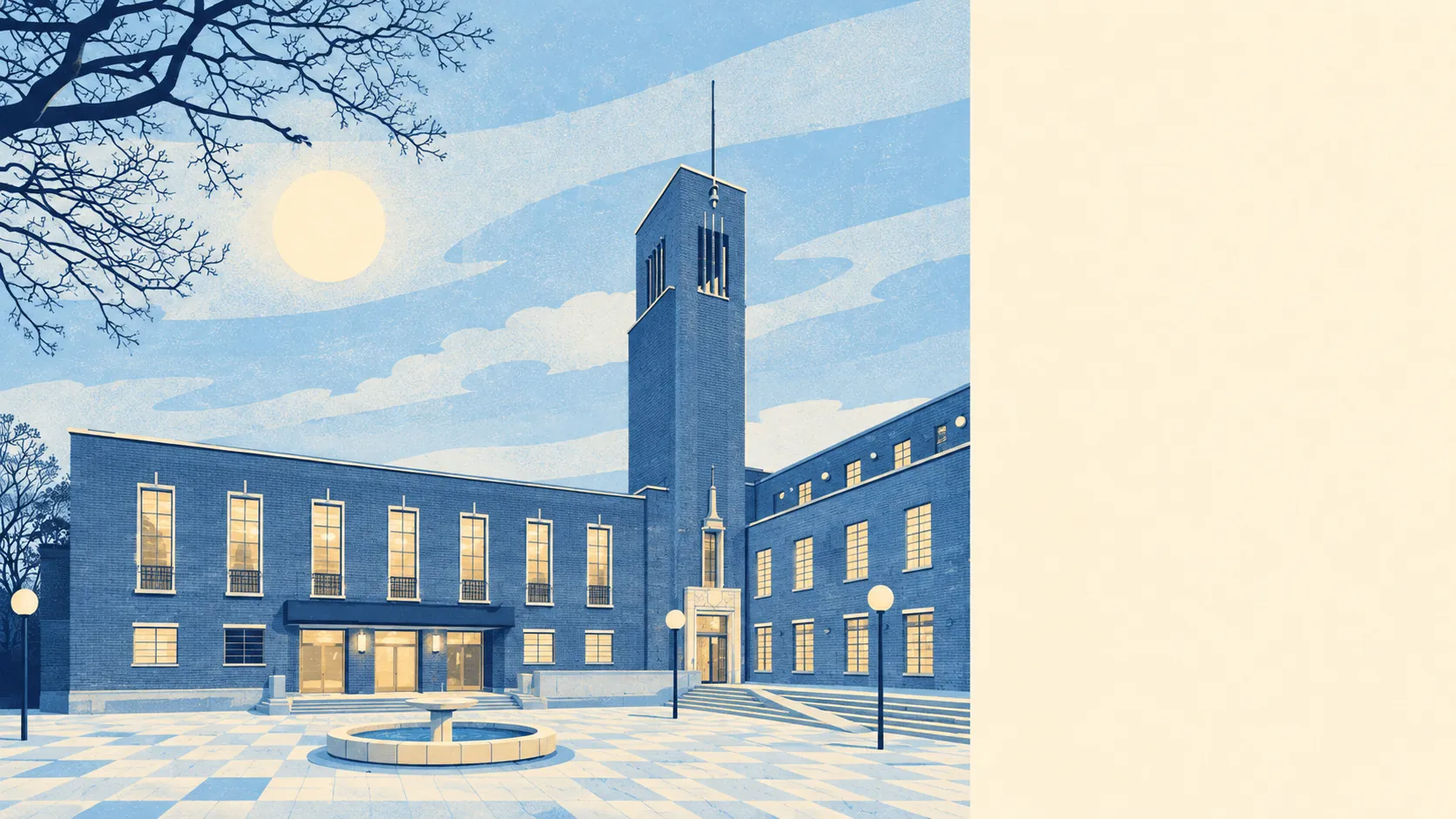
Historic England counts about 2,200 listed buildings in the area drawn around Hornsey, 26 of them Grade I and 132 Grade II*, with 40 conservation areas covering the same ground and 41 entries on its Heritage at Risk register. That area is drawn generously and runs into neighbouring boroughs, though the point for a buyer still holds. In a conservation area, new windows, front walls and roof extensions go past the council before they go past a builder. Hornsey Town Hall is listed too, so the old civic headquarters now needs permission like everybody else.
The Land Registry recorded 349 sales in the year to May 2026, at a typical price of about £620,000. Flats make up most of that middle figure: 229 sold at around £505,000, against 98 terraced houses at about £1,310,000 and 18 semis at about £1,031,000. Only four detached houses changed hands all year, at around £1,445,000, so anyone hunting for one needs patience as well as money. Band C is the most common council-tax band, and about 19% of homes are in bands A or B. Going from a flat to a terrace is where most buyers here find out what a back garden costs.
Renting is no escape hatch. Haringey's typical private rent, as estimated by the Office for National Statistics for April 2026, is about £2,210 a month across the whole borough, about 2% higher than a year earlier.
The council-tax valuation list counts about 72% of Hornsey's homes as flats and 24% as terraced houses, with semis and detached houses barely registering, and about 65% of the stock was built before 1930. Energy certificates put about 52% of homes in bands A to C and about 10% at E or worse. About 74% heat with mains gas, while about 12% rely on electric heating alone. A converted flat with electric-only heating in a pre-1930 shell is charming right up to the first winter bill.
Hornsey Rail Station is in the middle of the district, with Alexandra Palace, Crouch Hill, Harringay and Finsbury Park within reach. Even so, at the 2021 census only about 3% of working residents took the train to work and about 8% the bus, while about 54% worked from home. The 949 bus stops in and around the area see an average of 25 buses an hour at the busiest time, and about 99% of them have a weekend service. Broadband reaches gigabit speeds at about 77% of premises and superfast speeds at about 98%. About half of households have no car, which is just as well, because the Edwardian kerbs were never going to find room for the other half.
The Environment Agency puts none of Hornsey in its river-and-sea flood zones. Surface water is another matter: about 29% of postcodes carry a high rating on at least one flood indicator that includes it. The district lies in the valley of the River Moselle, which now runs in a culvert. Burying the river took it off one flood map and left the rain to find the valley on its own.
The Metropolitan Police's published figures give Hornsey about 124 crimes for every 1,000 residents over the year to May 2026, roughly 8% below the Haringey average. Anti-social behaviour is the biggest single category, at about 24% of recorded crime against about 16% nationally, while violence and sexual offences make up about 23%, well under the national share.
About 42% of households own their home, the typical resident is 37, and the Office for National Statistics models average gross household income at about £77,200 for the financial year to March 2023. That is a well-paid, youngish population that mostly rents, which tells you plenty about the price of the terraces. This page also covers Crouch End, which shares the same postcode and was voted the best place to live in London in 2023. The conservation rules did not get any looser after the vote.
The surroundings are the best of it. The nearest public green space is on average about 160 metres from a front door, with Queen's Wood to the west and Alexandra Park to the north, and water is around 500 metres away. Alexandra Palace looks down on the whole district, which is as close as most residents will get to living in a listed building without filling in a form.
Hornsey works for people who want a flat or a well-kept terrace, a short walk to the woods and a life that rarely needs a car, and who are happy to live with what the Edwardians left them. Buyers planning to buy a tired house and turn it into something the street has never seen should look somewhere with less history to protect.
What the place offers is almost all on the outside: the woods, the park and the buses. The house is the part that gets the least freedom, with the conservation areas deciding what can change and the price of a terrace deciding who can afford to try. Hornsey is solidly middle of the road, a pleasure to walk around and a hard place to put your own stamp on.