Hornchurch is a suburb where a park is rarely more than a few minutes from the front door. Green space ends most roads. Water is a short walk away. The high street is mostly shops, with strikingly few pubs. Nothing here is protected landscape, and the grass is plentiful all the same.
On average, a home in Hornchurch is roughly 230 metres from the nearest public green space, with about 15 green spaces inside a kilometre. That is a park, a playing field or a churchyard within sight of most front gates. The interwar builders who laid the town out on farmland were spending land like it would never run out, and some of it was kept for the public.
Water is closer than most people expect of an outer-London suburb. The nearest stretch of it averages about 390 metres from home, and around 17 bodies of water lie within a kilometre. The old parish was drawn between two rivers, and the lakes and streams in between were never quite built over.
Cycling out of town is a slower proposition. The National Cycle Network averages about 1.8 kilometres away, and only about 1% of postcodes are close to it. The area has no ancient woodland at all, so the countryside on offer is park and playing field, with the wilder stuff a drive away.
The rated premises on the high street come to 243 shops, 8 restaurants and 5 pubs. Hornchurch brewed its own beer from 1789 to 1929, and the town appears to have taken the closure personally.
Havering's fine-particle pollution averaged about 8.2 micrograms per cubic metre in 2024, a figure for the whole borough.
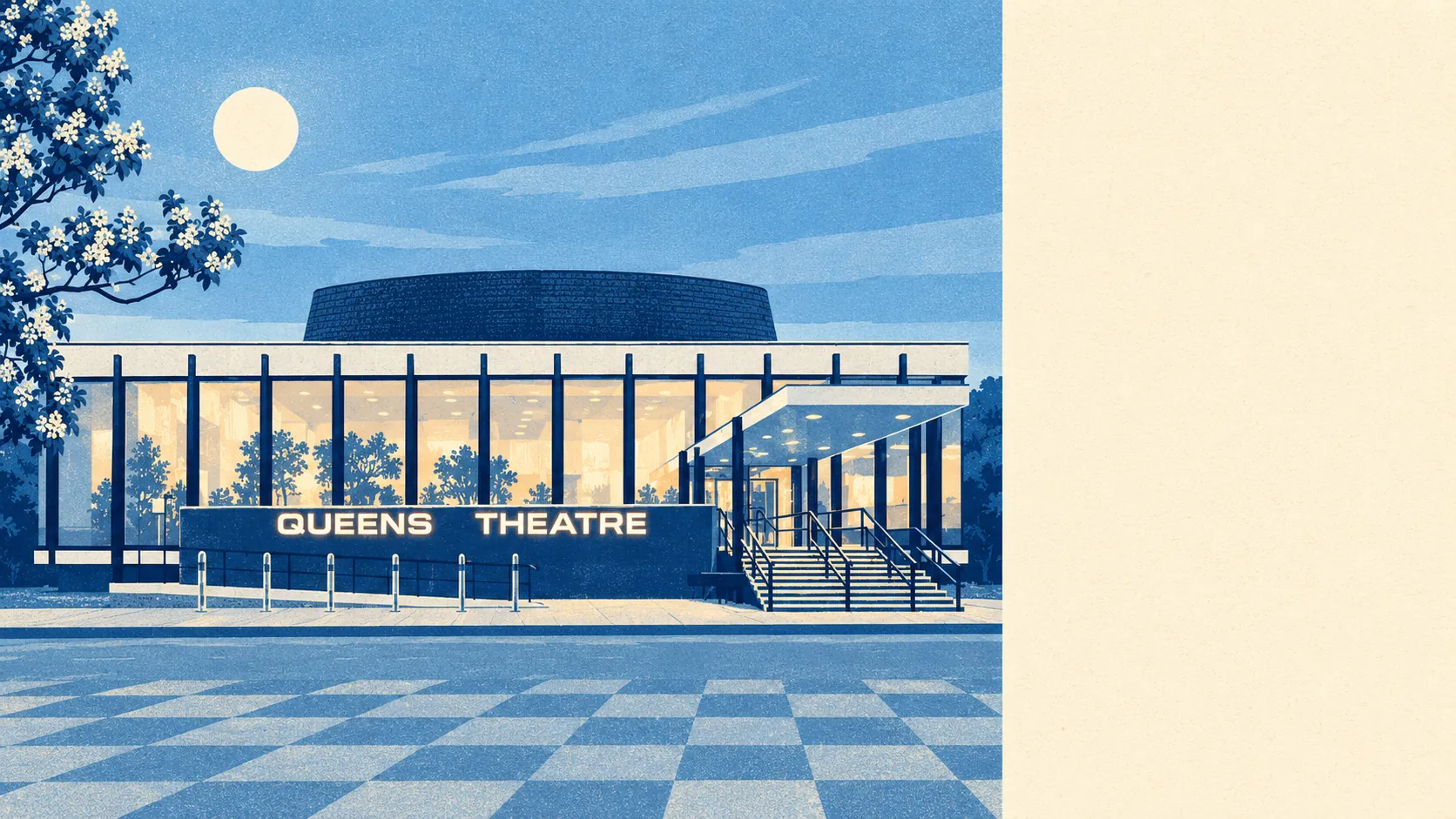
The town's character is suburban with a few older anchors. Langtons, the house where Hornchurch's council once met, and St Andrew's Church give the centre its two conservation areas, and the Queen's Theatre gives it a night out that does not involve Romford. Emerson Park and Ardleigh Green to the north are the leafier, larger-plot end, and Upminster and Gidea Park are the neighbours a resident drives through on the way to somewhere else and then starts looking at on property websites.
Private gardens are where Hornchurch is generous. Across the area, residents have about 102,000 square metres of garden for every 1,000 people, a figure that reflects the semis and their long back plots. The interwar estate builders sold houses by the garden as much as by the room, and it shows.
The valuation list records 511 rateable business premises in the area, led by 242 shops and 54 offices. Those are premises on the rating list, and some may be empty or used for something else, but the shape of the high street is plain enough. Hornchurch shops a great deal and drinks elsewhere.
Eating out is safe enough. Of the 135 food premises with a hygiene rating, about 72% hold the top score and about 4% are at the bottom end of the scale.
No area of outstanding natural beauty, site of special scientific interest or ancient woodland overlaps the area. What Hornchurch has instead is ordinary green space in unusual quantity, parks and playing fields put there for people to use and not to be preserved.
The surroundings are one of Hornchurch's real strengths, with green space at the end of nearly every road and gardens that most of London would envy.