Harrow is a busy town centre with an unusual amount of grass around it, and the green space is what keeps it livable. Parks are a couple of minutes from most front doors. There are more than twenty within a short walk. The countryside designations are missing, and the open space is all town parks. It is London's suburbs at their most generous, minus the hush.
The average home in Harrow is about 180 metres from a park or public open space, with about 23 of them within a kilometre. Harrow Recreation Ground and the Grove open space are close to the centre, the grounds of Headstone Manor are a little further out, and Harrow Park, once called Flambards, covers part of the slope of Harrow on the Hill. A town this dense has no right to this much lawn.
Water is a bit further off, at about 690 metres on average, with roughly six ponds, lakes or streams within a kilometre. None of them makes Harrow a waterside town, but there is somewhere to take the ducks.
The National Cycle Network is about 8 kilometres away on average, and no postcode in the area is close to it. There is no ancient woodland here either. Getting out by bike means planning the route.
The rated-premises count gives the shape of the high street: 424 shops, 44 restaurants and just 10 pubs. Two shopping centres, St Anns and St George's, do much of the retail work, and the pedestrianised stretch of St Anns Road has carried the Skipping Katie statue since 1987. Ten pubs is a modest number for the main town of a London borough, and it is the clearest sign that Harrow is built for daytime spending more than late nights.
Fine-particle air pollution averaged about 8 micrograms per cubic metre across the London Borough of Harrow in 2024.
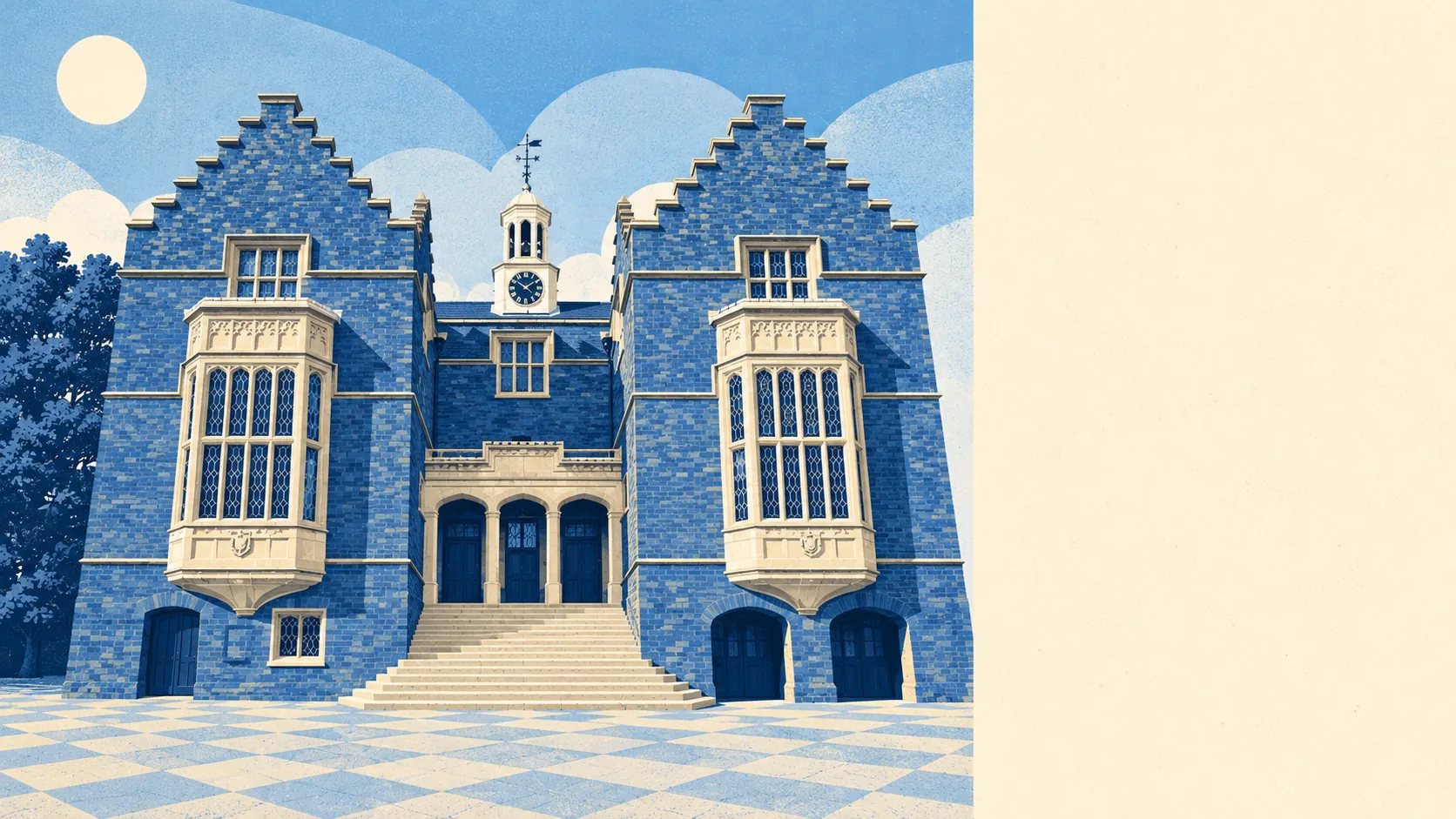
The feel shifts sharply within a short walk. The centre is office blocks, shopping centres and the bus station. Climb towards Harrow on the Hill and the old village takes over, with its school buildings, churchyard and views. Further out lie the interwar streets that made Harrow a byword for Metro-land, and to the north, the Kodak chimney in Wealdstone is still the landmark people use to find their way home.
Private gardens add up to about 47,000 square metres for every 1,000 residents. For a town where most homes are flats, that is a decent amount of back garden in the streets of houses, and a reminder that a great many residents rely on the parks instead.
The valuation list counts 1,786 rateable premises in the area, and offices are the largest single group at 719. That matches the town's history, since the office blocks of the 1960s and 1970s in Lyon Road and College Road still shape the skyline. These are premises on a list, and a unit on it may be empty or under new use.
Of the 358 food businesses with a hygiene rating, about 62% have the top score of five, and about 8% sit at the low end. Eating out is mostly safe, and the low-scoring minority is a reason to check the sticker in the window.
No area of outstanding natural beauty, site of special scientific interest or ancient woodland overlaps the area. All the green space here is the municipal kind, mown, bordered and bookable for football, and it is more of it than plenty of protected villages get.
The surroundings are one of Harrow's real strengths, with parks so close and so many that even a flat near the station comes with a garden of sorts at the end of the road.