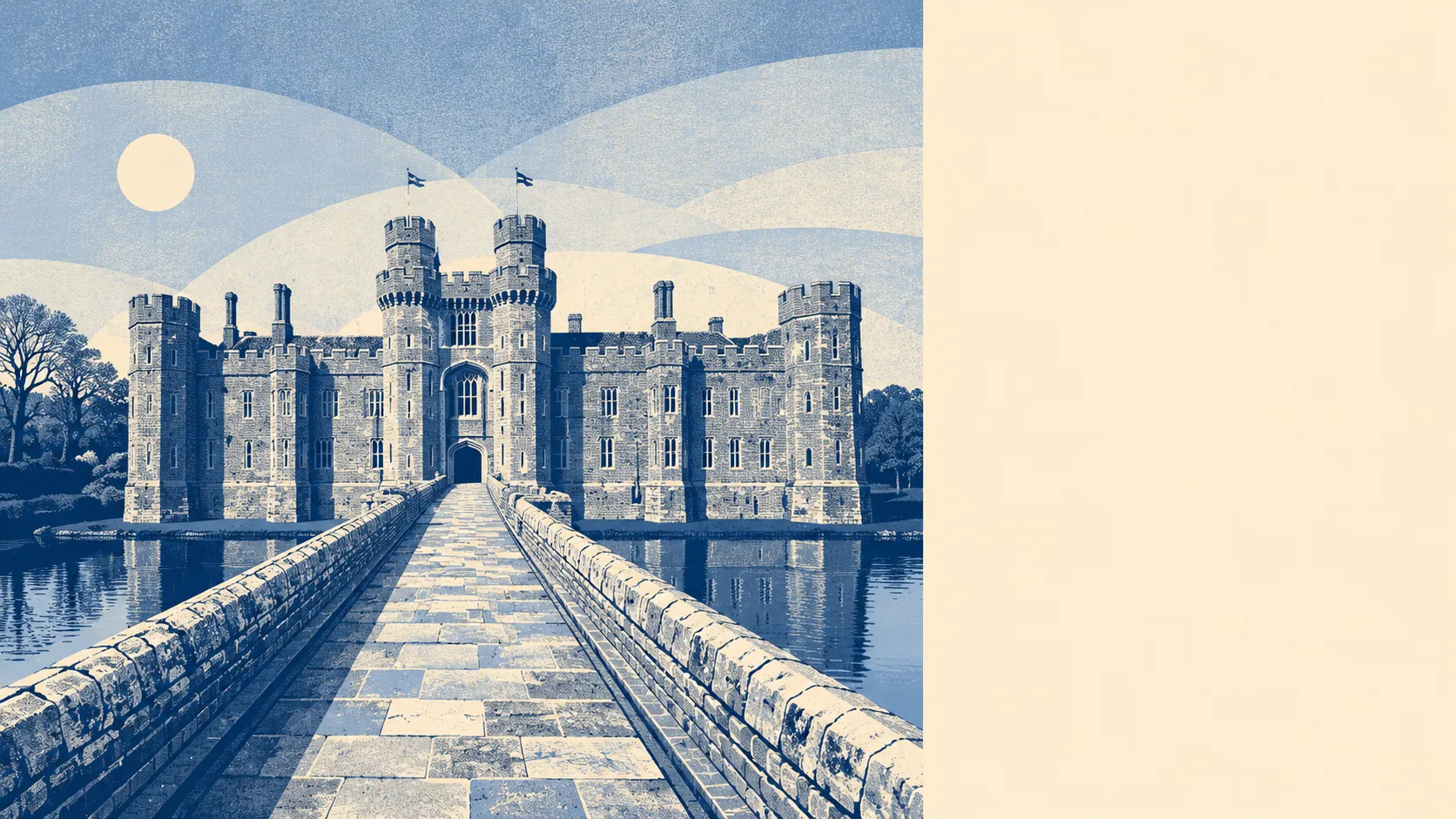
Most houses can extend. Some cannot. The area carries 67 listed buildings and three conservation areas. One scheduled monument adds a small extra constraint. The heritage envelope is real but it does not cover most of the town.
The listed-building picture is moderate. Across the area there are about 67 listed buildings, of which only four carry the higher grades: two Grade I and two Grade II star. The remaining 63 are Grade II, which is the standard grade for buildings of national interest that are not exceptional. A listed building cannot be altered in a way that affects its character without listed building consent, which is separate from planning permission and applies to interior as well as exterior work. The named heritage buildings in the area include Michelham Priory and its barbican tower, Horselunges Manor, Cowbeech House, Carter's Corner Place, the chapel at Otteham Court, the old water mill, the three parish churches, and a handful of farmhouses including Broad Farmhouse and Buckwell Place. Most are in the surrounding villages or at the edges of the town rather than on the residential streets where most buyers are looking. If your prospective purchase is not on the list, the listing rules do not restrict what you do to it. If it is, the rules are strict, and the conservation officer at the council will know more about your house than you do within a fortnight.
The conservation-area picture has a similar shape. Three conservation areas sit inside the area covered by this report: Hailsham itself, Hellingly, and Cowbeech. A conservation-area designation does not freeze a property in place, but it does narrow the things you can do to it without asking first. Replacement windows, exterior cladding, demolition of small structures, and certain types of tree work can require consent inside a conservation area that would not require it on an ordinary residential street. The boundaries are tightly drawn around the historic cores, which means most of the postwar and modern housing stock that dominates the town sits outside them. Anyone buying inside one of the three designated areas should ask the council for the conservation-area appraisal document, which describes exactly what is and is not permitted within the boundary.
For the majority of houses in the area, the practical answer is that ordinary extension and alteration work falls under the standard permitted development rules. Single-storey rear extensions, loft conversions, dormers within the relevant size limits, internal reconfigurations, and similar work can usually proceed without a full planning application, subject to the national thresholds on size and position. Anything beyond those thresholds needs a household planning application, which the council assesses against its local plan and the usual neighbour considerations. The presence of a listed building or a conservation area nearby does not automatically constrain your own house unless your house is itself listed or inside the boundary, but it can affect the comments the conservation officer makes on your proposal if your work is visible from a designated setting.
The honest verdict is average. The constraints exist and they are real for the small number of properties they apply to. For most of Hailsham, the freedom to extend is normal. Check the list and the boundary for your specific address before you commission the architect, not after.