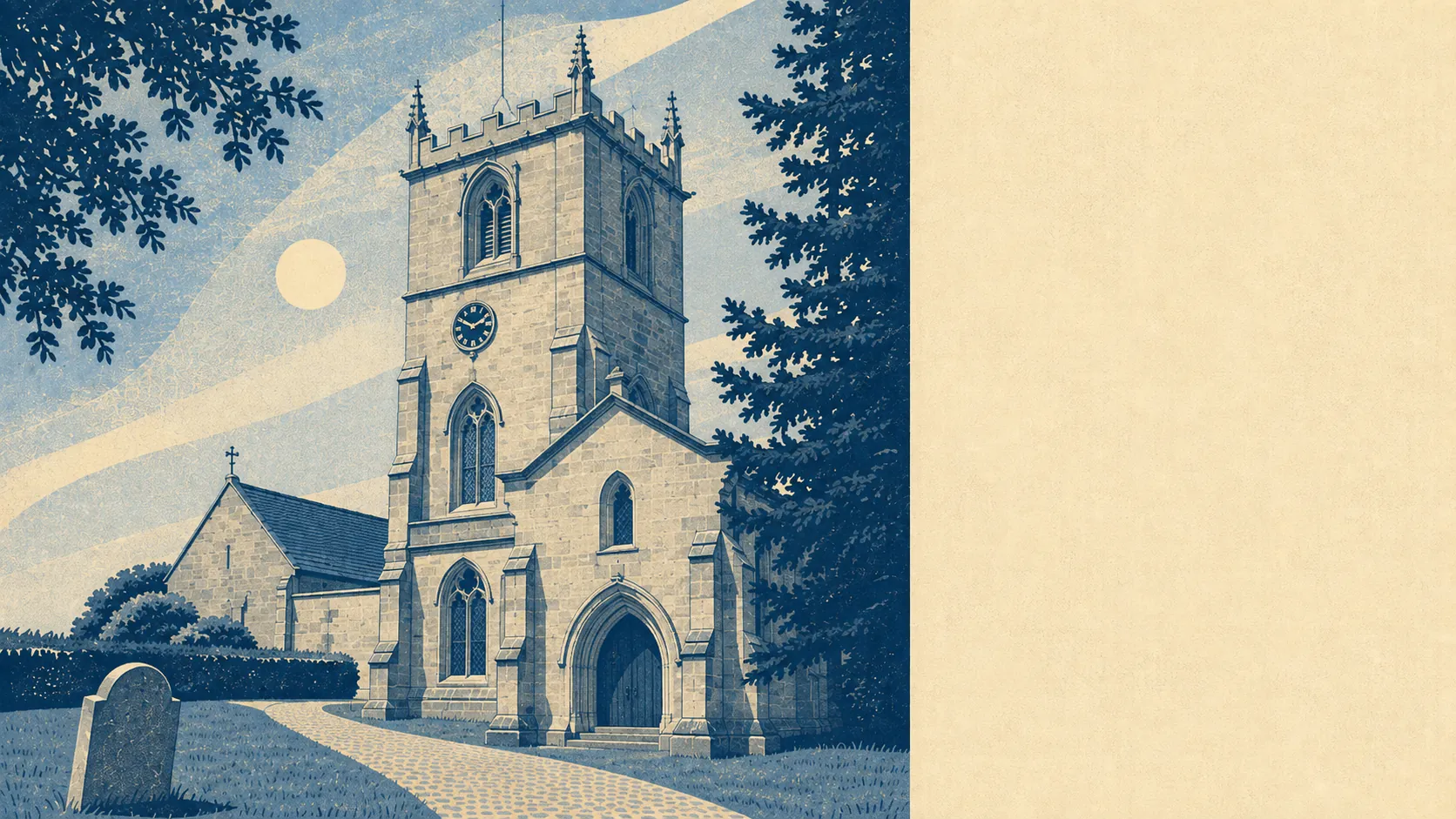
Most likely yes, unless you have bought one of the interesting ones. The heritage protection here is real but narrow, concentrated in the historic core and a handful of village centres. The bulk of the town went up long after anyone was thinking about conservation, and it shows in what people are allowed to do to it. Hundreds of planning applications have gone in across the area in the past couple of years, which is the practical answer to whether alteration happens. Gillingham is a town where the rules exist and mostly apply to somebody else's house.
There are 46 listed buildings across the area. One carries grade one status, the top tier, and the remaining 45 are grade two. None sit at grade two star. Listing applies to the whole building inside and out, so on a listed property you need listed building consent for alterations that affect its character, and that covers a great deal more than an extension: internal partitions, staircases, fireplaces, windows and often the choice of mortar. Consent is separate from planning permission and you can need both. The upside of a grade split this lopsided is that grade two is the workable tier, where sympathetic changes are routinely negotiated rather than refused on principle.
Four conservation areas cover the town and its surroundings: Gillingham itself, along with Colesbrook, Milton on Stour and Wyke. Inside a conservation area the council takes a view on anything affecting the character or appearance of the place, permitted development rights are more limited than elsewhere, and works to trees generally require notice before you start. Demolition of most structures needs consent. The practical effect is that the front of the house becomes a planning matter in a way it is not on the newer estates.
Two scheduled monuments sit within the area. That is the strictest protection tier in the system, and it matters mainly if you own or adjoin the land: works affecting a scheduled monument need consent from central government rather than the council, and the bar is considerably higher than for a listed building.
As for whether people actually alter homes here, 460 planning applications were submitted across the area between April 2024 and July 2026, with 168 of them in the last twelve months. Twenty-one were withdrawn. Whatever else that tells you, it is not the profile of a town where nobody bothers applying.
In practice the town divides into two planning experiences. On a post-war or millennium-era house outside the conservation areas, which is most of the stock, permitted development rights are likely to cover a good deal of what a family wants: a rear extension within the size limits, a loft conversion, outbuildings. Check the specific property for removed rights before you draw anything, because they can be stripped by condition on newer estates. On a listed building or inside one of the four conservation areas, assume consent is needed and budget for a designer who has dealt with Dorset's conservation officers before. The difference between those two positions is worth more than most other features on the listing.
Freedom to alter a home here sits in the middle: not the free-for-all of a purely modern town, not the permanent negotiation of a heritage one. Establish which side of the conservation boundary a house sits on before you fall for the kitchen, because that line does more to shape what you can build than anything the estate agent will point out.