Yes, most houses in Ewhurst can be extended, but the pretty ones come with a chaperone. The village has two conservation areas. It has more than forty listed buildings. The neighbours are putting in planning applications at a steady clip. Most buyers get their extension, and the ones with the old houses get a longer conversation first.
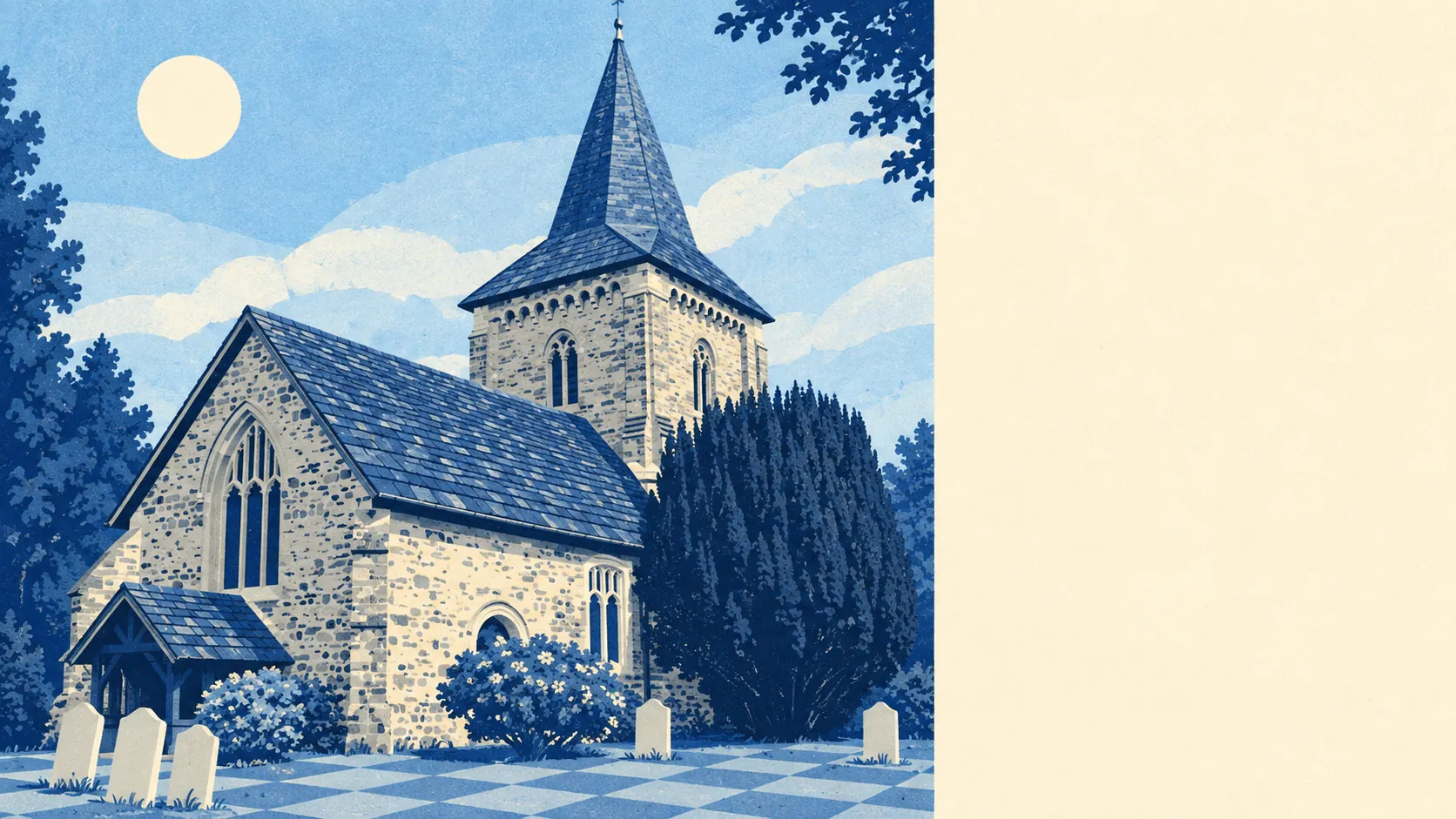
There are 43 listed buildings in the area: one Grade I, two Grade II* and 40 Grade II. Listing covers the whole building, inside and out, so a listed home needs listed building consent for works that affect its character, and that can include things a normal owner would never think to ask about, from windows to internal walls. Grade II is the common band and the one most buyers will meet. The Grade I and II* buildings are a different league, where the questions get longer and the answers slower. If the house you're buying is on the list, you're not so much its owner as its current custodian with a mortgage.
The two conservation areas, Ewhurst and Ewhurst Green, cover the historic parts of the village. Inside them, Waverley has more say over changes that alter how a street looks, and works visible from the road draw closer attention than they would elsewhere. Anyone buying inside either boundary should check exactly what's already been permitted on the property and what a change would need before assuming a quick yes.
People here are not shy about building. Across the area there were 600 planning applications between April 2024 and June 2026, and 244 in the last twelve months. That's the paperwork trail of a village steadily adding kitchens, garden rooms and loft conversions, and it's the most honest evidence that altering a home here is ordinary rather than heroic. It says nothing about how many were approved, so read it as appetite rather than a success rate.
One listed building in the area sits on Historic England's Heritage at Risk register. That means a historic building in poor condition, the kind whose repair may attract grant support and will certainly attract scrutiny. It's a concern for whoever owns it, not a hazard to anyone buying an ordinary house down the lane. Anyone tempted to buy it as a project should budget for patience as well as scaffolding.
In practice, it splits three ways. An unlisted house outside the two conservation areas works under the usual national permitted development rules, subject to their normal limits, and many modest extensions need no application at all. An unlisted house inside a conservation area has some of those rights trimmed, so check with Waverley before designing anything visible from the street. A listed house needs consent for most meaningful change, and doing the work first and asking later is the classic mistake that turns a renovation into an enforcement letter. Ask the seller for the full planning history of the property, and ask your solicitor to confirm whether it's listed or inside either conservation area before you exchange.
Freedom to extend in Ewhurst is middling: easy for the post-war house on the edge, slower and more supervised for the old ones that give the village its looks. Buy the plot you want to change, not the one you want to argue with.