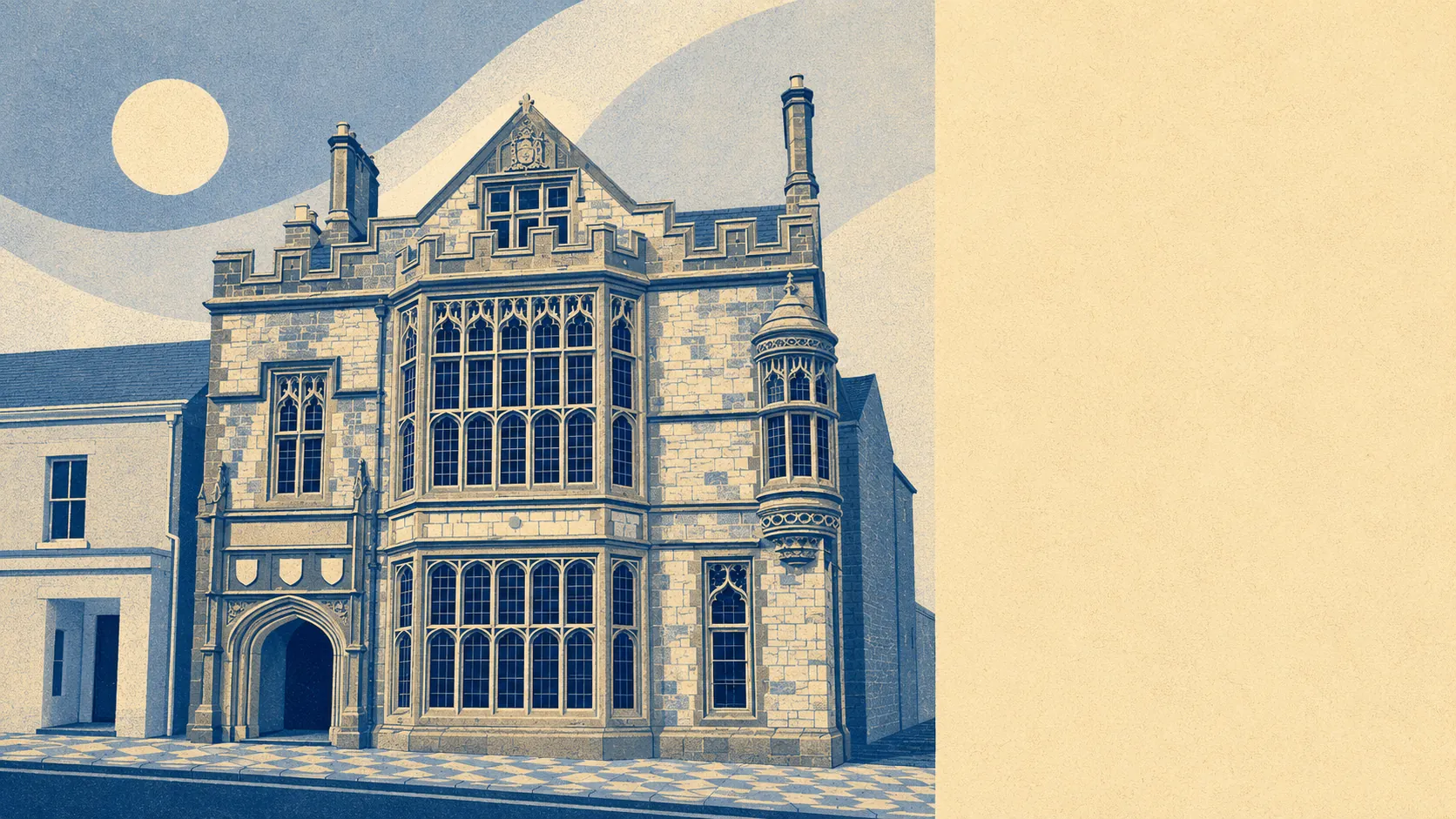
Yes, but the town will want a word first. Nearly three hundred listed buildings sit in the area. Twelve scheduled monuments too. The Romans, the Georgians and the conservation officer have all had a say before you turned up. Plenty of people do extend here, and almost none of them do it quickly.
The area carries 294 listed buildings. Five are grade one, 16 are grade two star and the remaining 273 are grade two. Listing applies to the whole building inside and out, not the pretty frontage, so replacing windows, moving an internal wall, altering a roofline or changing a door all need listed building consent on top of any planning permission. Doing the work first and asking afterwards is a criminal offence rather than a paperwork problem, which is worth knowing before a builder tells you it will be fine.
One conservation area covers Dorchester itself. Inside it, permitted development rights are trimmed: extensions, cladding, satellite dishes and demolition that would go unremarked elsewhere need consent, and there are separate controls on lopping or felling trees. Materials matter more than the drawings suggest, and a rear extension in the wrong brick will come back to you.
Twelve scheduled monuments sit within the area, which is the strictest protection there is. That mostly concerns land rather than houses, but it is the reason ground works near certain edges of town attract archaeological conditions.
People do build here regardless. The planning register records 2,111 applications across the area between April 2024 and July 2026, with 819 of those in the last twelve months, and 66 withdrawn. That is a steady stream of householders getting extensions, conversions and alterations through a process that clearly does not stop them trying.
The practical shape of it: outside the conservation area and away from listed stock, ordinary permitted development for a rear extension or a loft conversion works much as anywhere. Inside it, or on any of the 294 listed buildings, assume nothing is permitted and get pre-application advice from Dorset Council before an architect starts drawing. Chalk ground and the older streets also mean archaeology can surface, which is a timeline risk rather than a refusal.
Freedom to alter a house here is limited, and the older and prettier the street the more limited it gets. Buy the Georgian frontage by all means, just budget the consents and the delay alongside the builder.