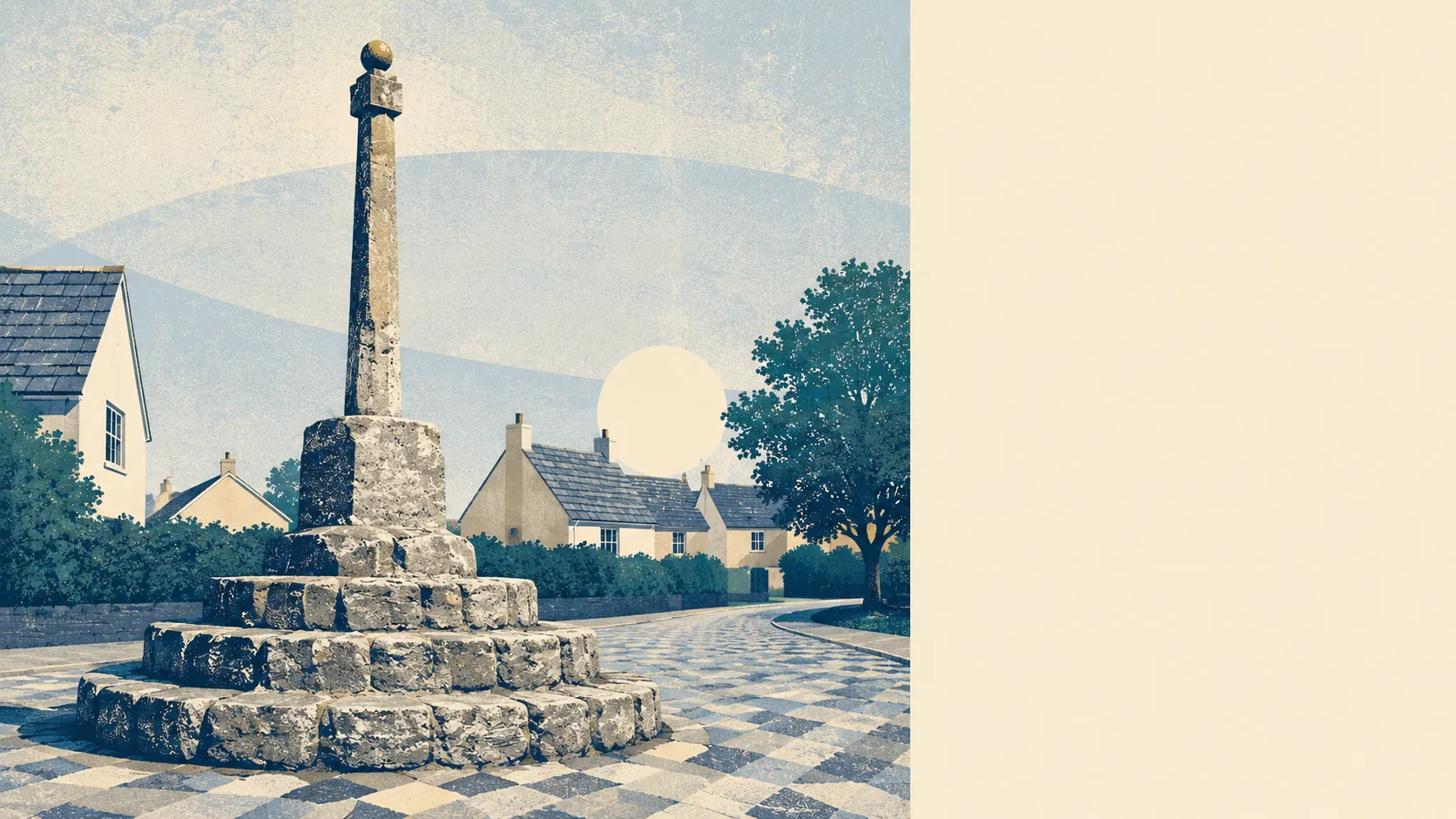
Congresbury is where Bristol goes to calm down. The median resident is forty-nine. More than half the households keep two cars or more. Four in ten work from home. This isn't the commuter belt so much as the bit past it, where the commute turned optional and nobody seems to miss it.
The housing tells the same story before anyone opens their mouth. Seven in ten homes are houses, another fifth are bungalows, and only about one in twenty is a flat, which for a place this size is close to none. Most of the stock went up between the 1950s and the early 1980s, so this is post-war village rather than picture-postcard cottage, whatever the church suggests. A fifth of the homes being bungalows tells you the median age of forty-nine wasn't an accident. On energy ratings the spread is ordinary: band D is the single most common at about a third, just under half the homes reach band C or better, and roughly one in seven sits at band E or worse and will cost you to heat.
Buying here is not where you land looking for cheap. The typical sale over the past year came in around £375,000, and the shape underneath that number matters more than the number does. A detached house runs to about £547,500, a semi to £310,000, a terrace to £286,000. Put another way, the gap between the detached house and the terrace is roughly the price of a whole second terrace. Council tax reinforces the point, with the most common home sitting in band E and only about a fifth of dwellings in the two cheapest bands. Congresbury is comfortable, and it charges for the privilege.
Renting is harder to pin to the village itself, because the reliable figure is drawn across the wider North Somerset area rather than these eighty postcodes. At that level the typical private let is about £1,200 a month, up a little over three percent on the year. Treat that as the district weather, not the local forecast.
On safety the village does well and does it quietly. The published crime rate is about seventy recorded offences per thousand people a year, which lands roughly 22% below the North Somerset average. This is the kind of place where the crime statistic is mostly other places' problem, and the numbers back the reputation rather than flattering it.
Connectivity is the trade-off you sign up for. No train stops in Congresbury. The nearest is Yatton Rail Station, close enough to be useful and far enough to need the car you already own, and the commuting figures show it: barely anyone travels to work by train or bus, and nearly half drive. A town centre is about twenty minutes away by car. Broadband is the pleasant surprise, with gigabit-capable lines reaching more than eight in ten homes and superfast covering almost the lot. You can work from the spare room without complaint. Getting anywhere else is a different conversation, and the answer is usually the car.
The environment is the part that needs reading straight. The Congresbury Yeo runs through the village, and water is the one genuine caution here. About one in seven postcodes carry a history of flooding, roughly one in nine sit in the highest river flood zone, and high surface-water risk touches close to one in twelve. None of that condemns the place, but it means the flood check on a specific address is not a formality, it is the search that decides whether you offer. Against that, green space is everywhere and easy: the nearest patch averages under two hundred metres from the front door, with around eleven separate open spaces within a kilometre. For a certain kind of dog owner this is the whole argument settled.
Heritage adds a lighter constraint. There are twenty-three listed buildings in and around the village, two of them Grade One and two Grade Two-star, along with two conservation areas covering Congresbury and neighbouring Yatton, plus the fifteenth-century village cross and Urchinwood Manor. Most homes are untouched by any of it. If yours is one of the listed ones, the window you want to replace becomes a matter for the council rather than for you, and that is worth knowing before you fall for the beams.
The character of the place follows from all of it. Close to eight in ten households own their home, the typical resident is pushing fifty, and household income sits around £62,000. This is a settled, owner-occupied village where people arrive intending to stay, which is a strength if you want roots and a limitation if you want turnover and noise.
Who it suits is straightforward. Families who want space, a low crime rate, and room for two cars on the drive. Older buyers trading a garden for a bungalow and a river walk. Anyone who works from home and treats the office as a place they visit rather than commute to. For them Congresbury is close to ideal and priced accordingly.
Who it doesn't suit is equally clear. Anyone without a car will find the bus timetable a poor substitute for a life. Anyone chasing nightlife, a station on the doorstep, or a cheap first flat is in the wrong postcode, because the flats barely exist and nothing here is cheap. And anyone buying on a low-lying plot needs to take the flood risk seriously rather than hoping the last thirty years were a fluke.
On the whole Congresbury rates above average, about three and a half out of five, and the two numbers that pull hardest sit at opposite ends. The surrounding countryside and green-space access are as good as it gets, a clear five. The flood risk is the genuine weak spot, closer to a two, and it is address-specific enough that the village score won't tell you whether your particular house is fine. Get the flood search right and this is a comfortable, quiet, well-connected-for-broadband village that people move to and stop leaving. Get it wrong and no amount of green space makes up for a wet ground floor.