Caterham is a good place to live, provided you want London close enough to reach and far enough not to hear. Seven in ten own their home. More people work from the spare room than drive to an office. The nearest patch of green is usually under 200 metres from the front door. It's a commuter town that quietly stopped commuting.
The housing is mixed, with no single type in charge. Flats make up about 34% of every dwelling on the council-tax list, and the rest splits between semis at 23%, detached houses at 22%, terraces at 14% and bungalows at 7%. Only about 22% was built before 1930, so anyone expecting a Victorian time capsule will mostly find post-war semis and the flats built around them. Energy certificates put about 49% of certificated homes in bands A to C, 38% in D and 14% in E or worse. About 78% of homes heat with mains gas and about 9% with electric-only heating. If the house you like is an older one on electric-only heating, ask for the bills before the viewing, while you can still be objective about the garden.
The Land Registry's figures for the year to May 2026 put the typical sale price at about £465,000, across 256 sales. The spread by type is wide. Detached houses went for around £758,000, semis about £482,000, terraces about £450,000 and flats about £292,000. The house price index has average prices down about 5% in the twelve months to May 2026, which helps buyers and annoys anyone who bought last spring. Band D is the most common council-tax band, and only about 8% of homes sit in bands A or B. A Band D bill runs to about £2,595 a year. Cheap council tax is not on the menu.
Renting gives you less to go on. The typical private rent across the Tandridge area is about £1,610 a month as of April 2026, up about 3% on a year earlier. That's a district-wide average, not a figure for Caterham itself. About a quarter of Caterham households rent, so the lettings market is a side business here rather than the main one.
Recorded crime comes in at about 80 per 1,000 residents over the year from June 2025 to May 2026, roughly 14% above the Tandridge average of about 70. The mix leans a little towards public order offences, which make up about 12% of recorded crime here against about 7% across England and Wales. Surrey Police charged about 11% of cases over the same period, against a national rate of about 12%. That's a force-wide figure, not a Caterham one. The honest reading is that a town centre with a station and pubs gets its share of late-night trouble in a district that is mostly villages and fields, where not much gets recorded.
Schools are the easier sell. The 13 primary schools in the surrounding postal districts average a maths score of about 106 at the end of primary school, above the expected standard. The three secondaries in those districts average an Attainment 8 score of about 44. Across Surrey, Ofsted has graded 147 of 159 settings good or better, with 30 outstanding. That's a county figure, not a Caterham one. de Stafford School is the main state secondary. Sunnydown School takes boys with special educational needs, and Caterham School, Oakhyrst Grange School and Essendene Lodge School make up the private options. Parents who get a secondary place they wanted will find the walk takes about 22 minutes on average.
Trains from Caterham Rail Station go to London Bridge and nowhere else, so if your office is anywhere else you change trains. Nearby stations include Whyteleafe, Kenley and Upper Warlingham. About 5% of working residents commute by train, about 40% drive and about 42% work from home. The 82 bus stops average about 173 scheduled departures each on a weekday, and about 88% have a weekend service. Gigabit broadband reaches about 84% of premises and superfast about 98%. Every postcode gets mobile signal from at least one operator. For a town where working from home is the most common way to get to work, the broadband is doing the commuting.
Flooding is a surface-water question here, not a river one. About 12% of postcodes sit at high risk on at least one flood indicator, surface water included. None fall in the Environment Agency's river-and-sea flood zones, which is what you'd expect on top of the North Downs. Check the specific street before you buy. Geology deserves a look too: about 55% of postcodes sit in a moderate or higher radon band, and about 49% carry a moderate or higher shrink-swell clay rating. Neither rules a house out. Both are worth a line in your survey instructions. The green space is excellent. The average home is about 180 metres from the nearest green space, with around 17 within a kilometre. The Surrey Hills Area of Outstanding Natural Beauty clips the edge of the town and the North Downs Way runs close by.
Heritage rules barely touch most homes. There are 26 listed buildings, one Grade I and 25 Grade II, many of them along Church Hill and Hill Street around the Norman Church of St Lawrence. Three conservation areas fall in and around the town: Caterham Barracks, Kenley and Kenley Aerodrome. Outside those pockets, an extension is a job for the planning office, not the heritage office.
The people match the housing. About 73% own their home, the median resident is 41, and gross household income averaged about £70,800 in the financial year to March 2023, a modelled figure averaged across the area. That's settled, mid-career and comfortable. The wine rack gets restocked more often than the car gets changed.
Caterham suits a household working from home most of the week, with children at or near school age, who want the North Downs on the doorstep and London Bridge on the odd day they need it. It also suits anyone priced out of the villages further into the Surrey Hills who wants the walks without the premium.
It suits people less well if their office is anywhere other than London Bridge and they have to be there five days a week. It also suits people less well if they want period houses, or if they want their money to stretch much further than it would closer to Croydon.
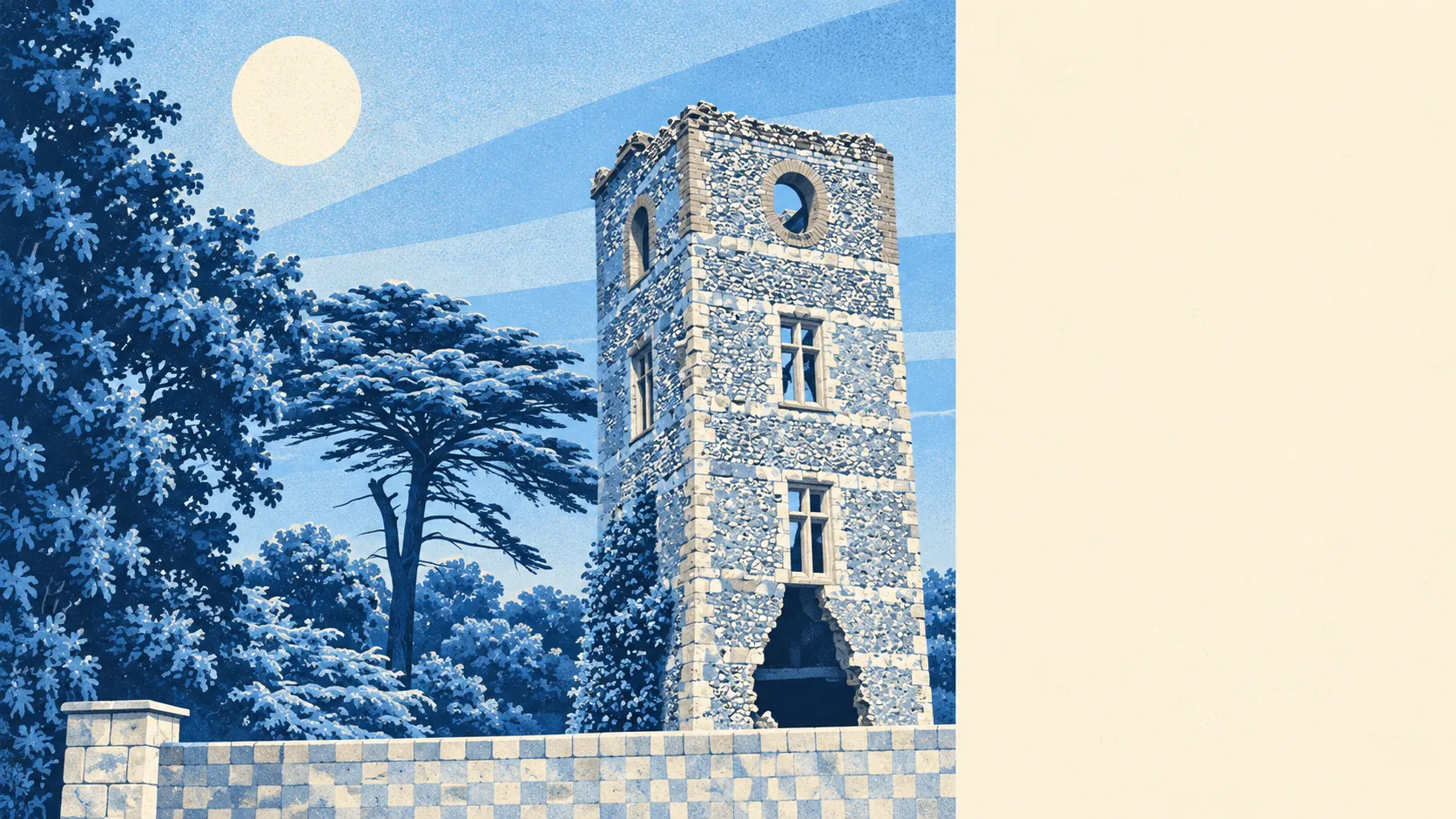
The composer Mátyás Seiber lived on Stafford Road from 1935 until his death in 1960. The television presenter Angus Deayton grew up here, going to Oakhyrst Grange and then Caterham School. The footballers Nicky Forster and David Price and the cricketer Dar Lyon were all born here. Further back, a landowner called Jeremiah Long put up Whitehill Tower in 1862, a folly with no job except to be looked at, which says plenty about how long the view has been the main attraction.
Caterham is a good place to live, and better than its reputation as somewhere you pass through on the A22. Its real strength is the setting, with green space around the corner from almost every home and the North Downs within a short walk. The weak spot is value. Prices are high for what you get, and there are few cheap council-tax bands to soften them. Buy here for the view and the walks, not the bargain.