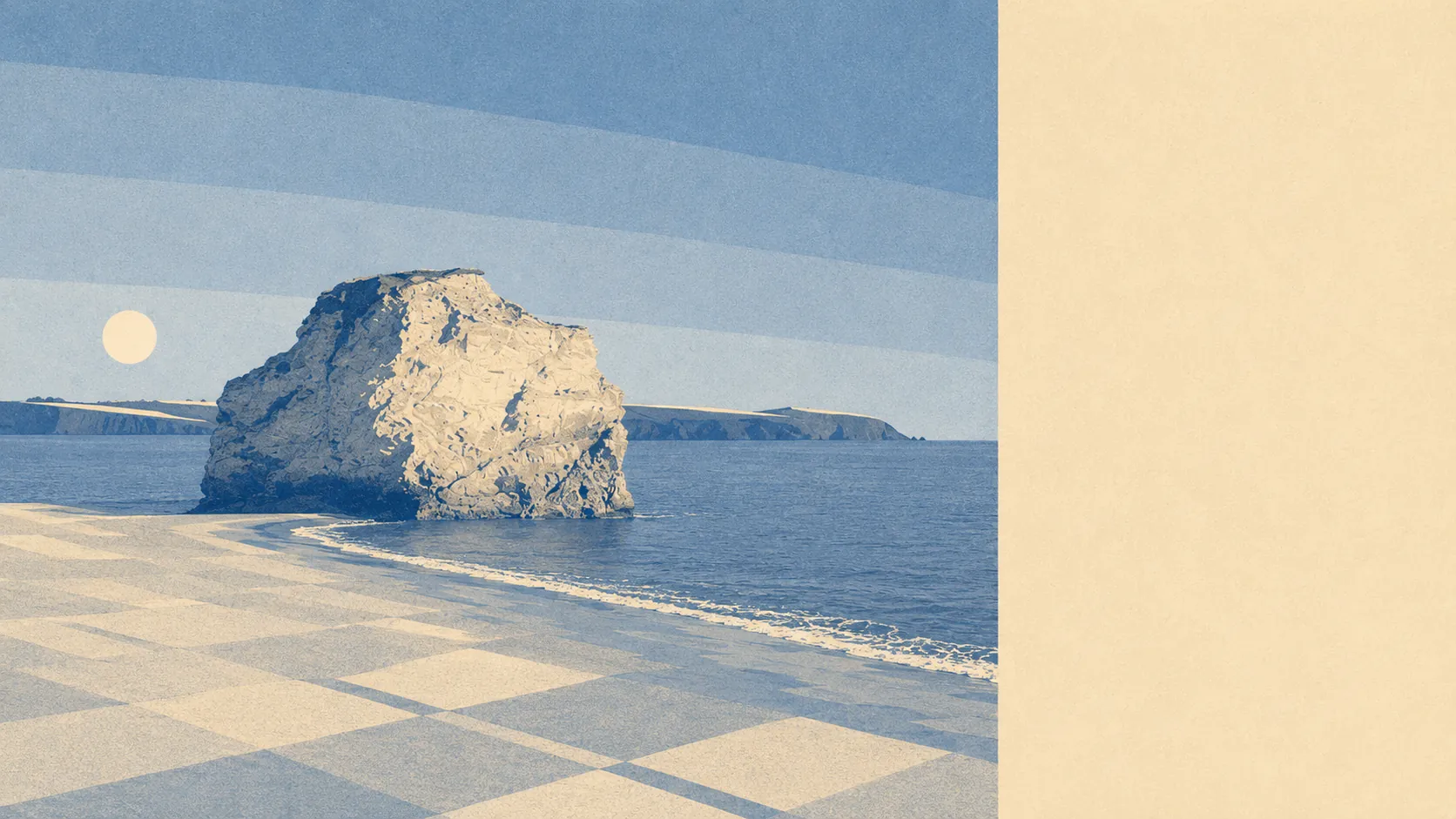
The area around Carlyon Bay is beach, green space and a great deal of quiet. Three named beaches sit below it: Crinnis, Shorthorn and Polgaver. Open water is a few hundred metres from the average doorstep, and green space is closer still. What it does not have is a high street of its own. This is somewhere to walk a dog, not somewhere to bump into anyone.
Green space access is the everyday luxury. The average postcode here has about 9 green spaces within a kilometre, with the nearest roughly 260 metres away, which makes it a walk rather than an expedition.
Open water averages about 315 metres from the postcodes here, with around 53 access points within a kilometre. That is the arithmetic of living on a bay rather than near one.
The National Cycle Network is about 1,250 metres away on average, and none of the postcodes here counts as close to it on that measure, so cycling out of the area is a plan rather than an impulse. There is no ancient woodland anywhere in the area.
For shops and eating out, the wider postal district carries about 260 retail premises, 19 restaurants and 13 pubs on the rating list. Those cover a much larger area than this bay, and they are premises on a valuation list rather than evidence that any particular door is open on a wet Tuesday in February.
Fine particle pollution across the council area averaged about 5 micrograms per cubic metre in 2024. That is a Cornwall-wide figure rather than a reading taken at the end of your road.
The character comes from the neighbours. Charlestown sits next door with its harbour and conservation area, Duporth and the two Porthpeans follow the coast, and Tregrehan is a registered park and garden inland. St Austell is the nearest town and supplies everything this bay does not, which is most things. The rest of the names on the local signposts are hamlets rather than destinations.
Private outdoor space is where the area quietly does well. There is roughly 360,000 square metres of private garden for every 1,000 residents, and gardens account for about 13% of the land here. In a place built on detached plots and bungalows, most households step out of a back door into their own green space rather than walking to somebody else's.
Inside the area itself the valuation list is short. There are 20 rateable premises in total, with 10 of them falling in a single category and the remainder scattered thinly across five others. Those are entries on a list rather than businesses trading today, and there is no parade of shops here to speak of.
Of the 9 food premises rated locally by the Food Standards Agency, about 56% hold the top score and none sits in the lowest bands. For a place this small, that is a respectable showing rather than a dining scene.
No protected-landscape designation covers this area. There is no area of outstanding natural beauty, no site of special scientific interest and no ancient woodland. That says nothing against the view. It means the land here is legally ordinary, and the scenery is nobody's statutory duty to preserve.
For sheer access to the outdoors, the surroundings are among the strongest things this address has: beaches at the bottom of it, green space at the end of the road, and gardens large enough that the parks are a bonus rather than a necessity.