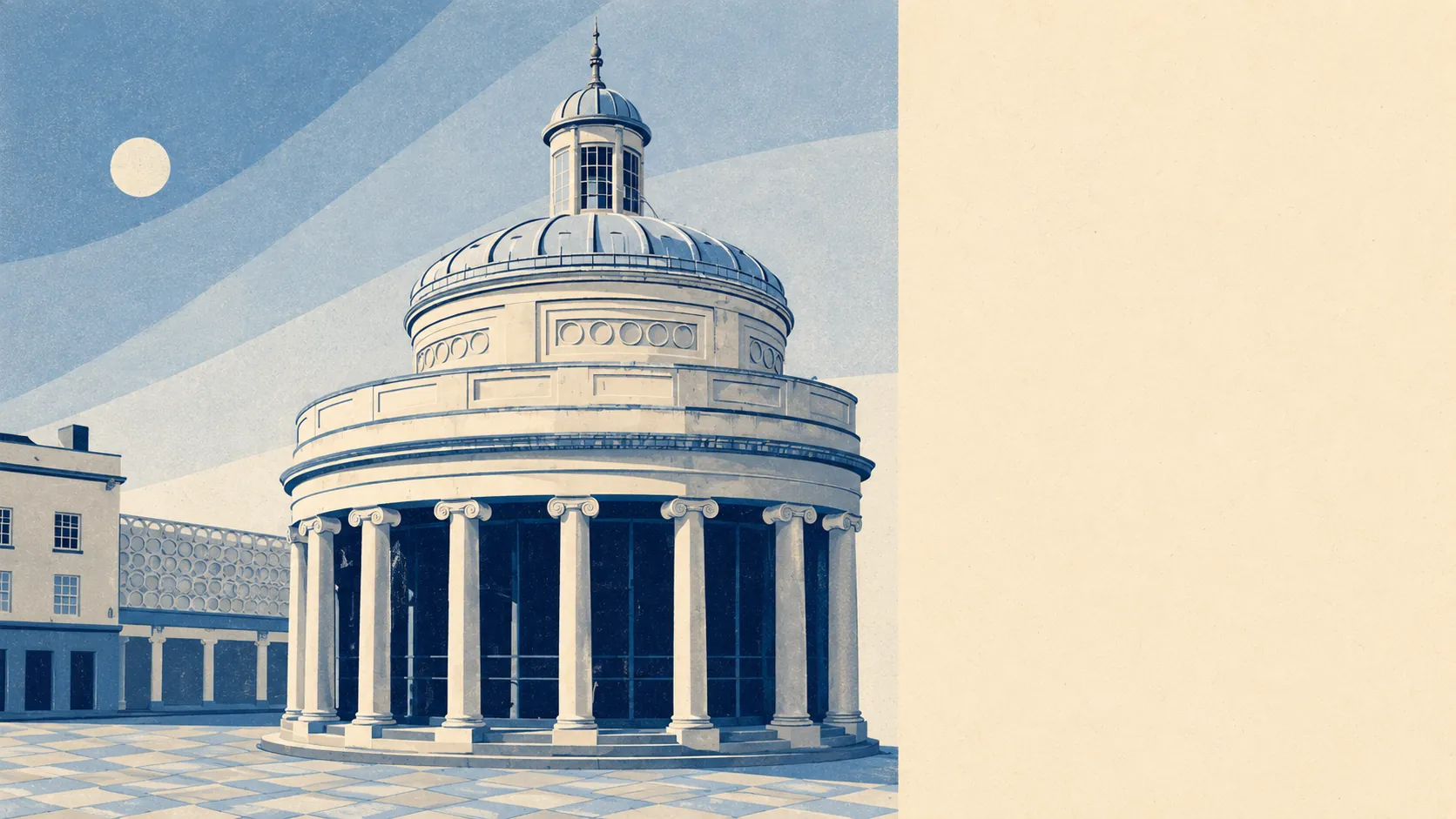
For most houses here, yes, and the answer hinges entirely on which side of an invisible line your front door sits. There are 231 listed buildings in the area. Three conservation areas. Five scheduled monuments. Over a thousand planning applications lodged in a little over two years. Bridgwater is a working town rather than a heritage set piece, but it holds enough protected fabric to catch out anyone who assumes the two are the same thing.
Of those 231 listed buildings, 17 carry Grade One status, 27 are Grade Two Star and 187 are Grade Two. Listing attaches to the whole building, inside and out, and it does not care that the thing you want to change is a rear window nobody can see. Listed building consent is a separate application from planning permission, it applies to alterations, extensions and demolition alike, and doing the work without it is a criminal offence rather than a paperwork slip. If you are buying one, budget for an architect who has done it before and a longer timetable than the estate agent implied.
Three conservation areas cover parts of the town: Bridgwater Northfield, the Central Area and Dock, and St John's. Inside a conservation area, ordinary permitted development rights are narrowed, demolition is controlled, and works to trees need notice to the council. Some councils tighten things further with an Article 4 direction, which strips out permitted development for things like windows, doors and front boundary walls. Ask the council whether one applies to the specific address rather than assuming either way, because the answer changes what you can do without applying.
The five scheduled monuments are the strictest tier of all. They matter mainly if you own or adjoin one, in which case works need consent from the government rather than the council, and the process is neither quick nor sympathetic to kitchen extensions.
None of this is stopping anyone. The planning record shows 1,108 applications across the area between April 2024 and June 2026, with 477 of them in the last twelve months. That is a town where people are extending, converting, dormering and reconfiguring at a steady clip. Whatever you are planning, somebody nearby has almost certainly applied to do a version of it, and their application is public reading before you spend money on drawings.
Three listed buildings in the area sit on Historic England's Heritage at Risk register. That is a condition assessment rather than a warning to anyone living nearby: a building on the register is one whose fabric is deteriorating, which can open the door to grant support for repair and guarantees a higher level of scrutiny over anything done to it. It is a fact about those three buildings, not a shadow over the street they stand on.
Practically, the split is clean. An unlisted house outside the three conservation areas keeps the standard permitted development rights, which cover a great deal of what people actually want: a rear extension, a loft conversion, a garden room. A listed building, or a house inside a conservation area, needs consent for work that its neighbour two streets away could start on a Saturday. Confirm the designation status of the exact address before you exchange rather than after the builder has quoted.
Freedom to alter a home here runs tighter than the town's plain reputation suggests, because the protected fabric clusters where the older housing is and that is where the character buyers head first. The compensation is that most of Bridgwater sits outside the lines entirely, and the planning register proves the council is used to saying yes to ordinary work.