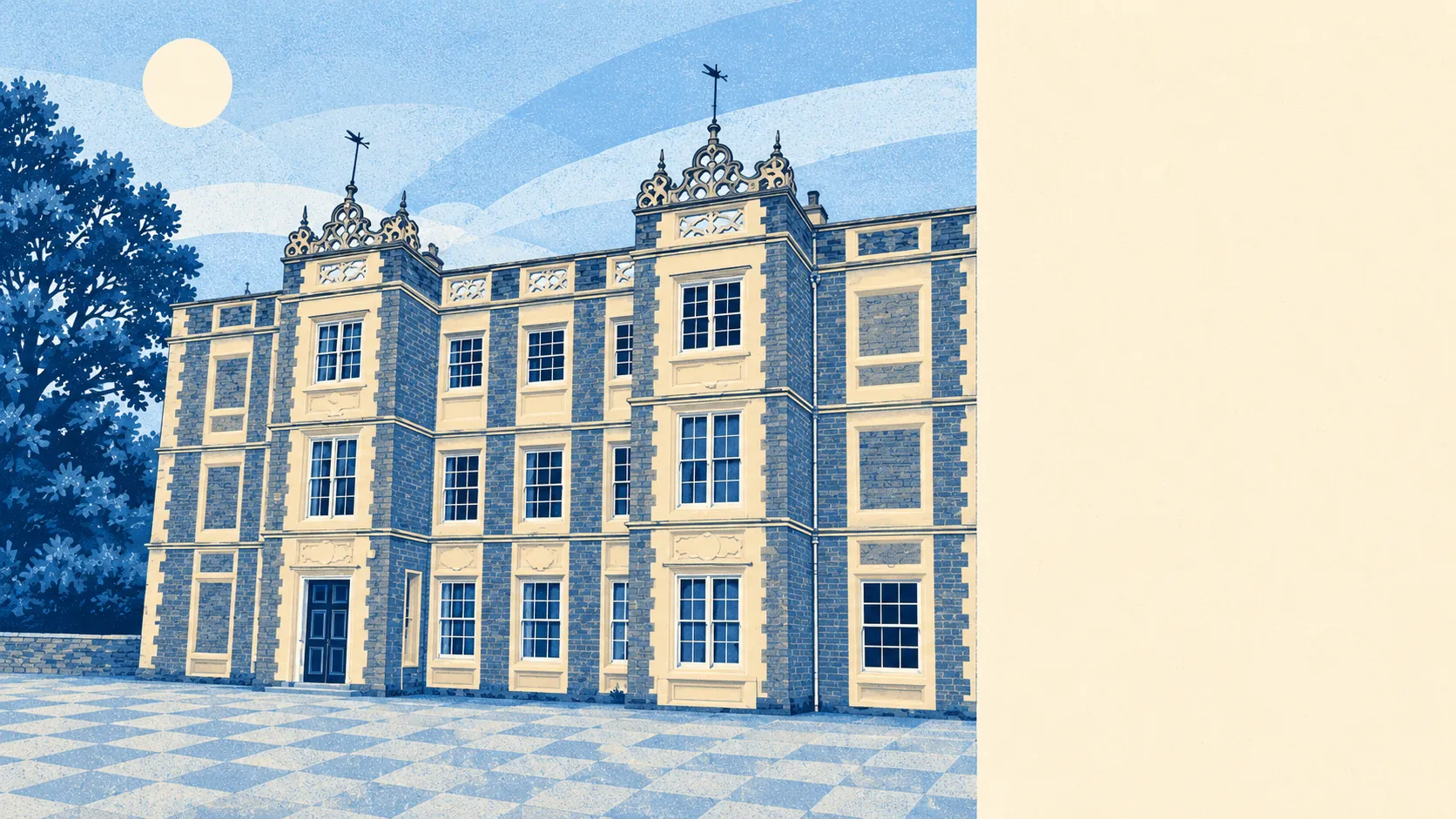
Yes, you can extend most houses in Blackfen, though more of it is under heritage control than the rows of semis suggest. Eight conservation areas fall in and around it. There are a dozen listed buildings, one of them Grade I. The clay under every postcode moves with the weather. The neighbours keep applying for permission anyway.
There are 12 listed buildings in and around Blackfen. One is Grade I, none are Grade II*, and 11 are Grade II. Listing covers the whole building, inside and out, so changing one needs listed building consent from the council on top of any planning permission, and altering a listed building without it is a criminal offence. With only twelve of them, the chance of buying one by accident is small. A listed building next door to the plot you like is a different matter, because its setting gets a say too.
The bigger constraint is the conservation areas. There are eight in and around Blackfen: Christ Church, Halfway Street, Longlands Road, Old Forge Way, The Green, The Hollies, The Oval, and Willersley Avenue and Braundton Avenue. Inside a conservation area, changes that would be routine elsewhere, such as windows, roof alterations, front extensions or cladding, can need the council's consent. Someone decided parts of Willersley Avenue and Braundton Avenue were worth protecting, so a house you took for an ordinary suburban semi may turn out, in planning terms, to be a period piece. Check the council's conservation area maps for the exact address early, because the boundary can run between two houses on the same road.
People here alter their homes all the time. The council received 670 planning applications for Blackfen between April 2024 and June 2026, and 309 of them came in the most recent twelve months. That volume is evidence of side returns, loft dormers and rear extensions being proposed street after street. It says nothing about how many were approved.
The British Geological Survey puts Blackfen's ground at class 3 for shrink-swell, and every postcode reaches that class. Clay ground swells when wet and shrinks when dry, and an extension built on it needs foundations designed for that movement. That usually means deeper footings, and nearby trees and drains are taken into account. Get a structural engineer involved before the architect's drawings go too far, because the cost of the foundations is easier to accept before the kitchen has been chosen.
One listed building in the area is on Historic England's Heritage at Risk register. That means a building in poor condition, whose repair may attract grant money and will attract close scrutiny. For a buyer of an ordinary house nearby, it is something to notice, and it carries no particular risk.
In practice, a semi or terrace outside the conservation areas and away from the listed buildings will usually have permitted development rights. These allow certain rear extensions and loft conversions without a full planning application, within national limits. Inside a conservation area, or where the council has removed those rights, the same project goes through a planning application. The address decides which route you take.
Blackfen gives you less freedom to alter a house than its rows of semis suggest. Most extensions are possible, but a fair few come with extra consents and a deeper trench.