Yes, if you can drive and you want the Quantocks more than you want a choice of restaurants. The village sits five miles from Taunton and behaves as though it were fifty. About three-quarters own their homes. The typical resident is fifty. Nearly six in ten drive to work, and well over a quarter never leave the house to do it. This is not a commuter village pretending to be rural. It is a rural village that quietly stopped commuting.
The housing stock is generous and low-rise. Counting every dwelling on the council-tax valuation list rather than only those sold recently, 33% are detached, 27% terraced, 22% semi-detached, 10% bungalows and 5% flats, with 16% built before 1930. So the village is not a museum piece: most of what you can buy went up after the war, on plots wide enough that people extend sideways rather than into the roof. Of the 727 homes carrying an energy certificate, 55% land in bands A to C, 36% sit in band D and 10% in band E or worse. Around 74% run on mains gas and 8% are heated by electricity alone. Electric-only heating in an older, solid-walled property is the sort of fact that announces itself on the January bill rather than at the viewing, and it is worth asking about before you fall in love with the inglenook.
On price, the Land Registry recorded 27 sales in the twelve months to April 2026 at a median of £305,000. Detached houses ran to about £354,000 across sixteen of those sales, semi-detached to £275,000 across nine. That gap is the whole local market in one line: you are mostly choosing between a detached house and a smaller detached house. Most homes sit in council tax band C, 32% fall in bands A or B, and a band D bill comes to roughly £2,560 a year.
Rents are only published across the whole Somerset area rather than for the village itself. Typical private rent across Somerset was about £990 a month as of April 2026, up about 4% over the year, with two-bedroom homes around £890 and three-bedroom homes around £1,100. Treat that as the area figure it is. Rental stock in a village where three-quarters of homes are owned is thin enough that the average tells you the county's mood, not what the cottage on the corner will actually cost.
Recorded crime ran at about 52 offences per 1,000 residents in the twelve months to May 2026, 162 incidents in total, which is around 44% below the Somerset average. That is a published rate on its own population base, not a sum you can do at home. Avon and Somerset Constabulary charged or summonsed in about 11% of cases over the same period against about 12% nationally, so the odds of a resolution are ordinary even where the odds of an incident are not. Lock the shed anyway.
Schools work in two stages here. Bishops Lydeard Church School is an eleven-minute walk for the average household, and across the three primaries serving these postcodes the average key stage two maths score is about 101, marginally above the expected standard of 100. Ofsted has graded 140 settings across Somerset, of which 101 are good or better and 5 outstanding, with 32 requiring improvement and 7 inadequate, so the county rewards parents who check the specific school rather than the postcode. Secondary is where the day changes shape: Kingsmead Academy is about nineteen minutes by car and roughly thirty-eight by public transport on Department for Transport modelling, which is a different family logistics problem to the one you had at primary.
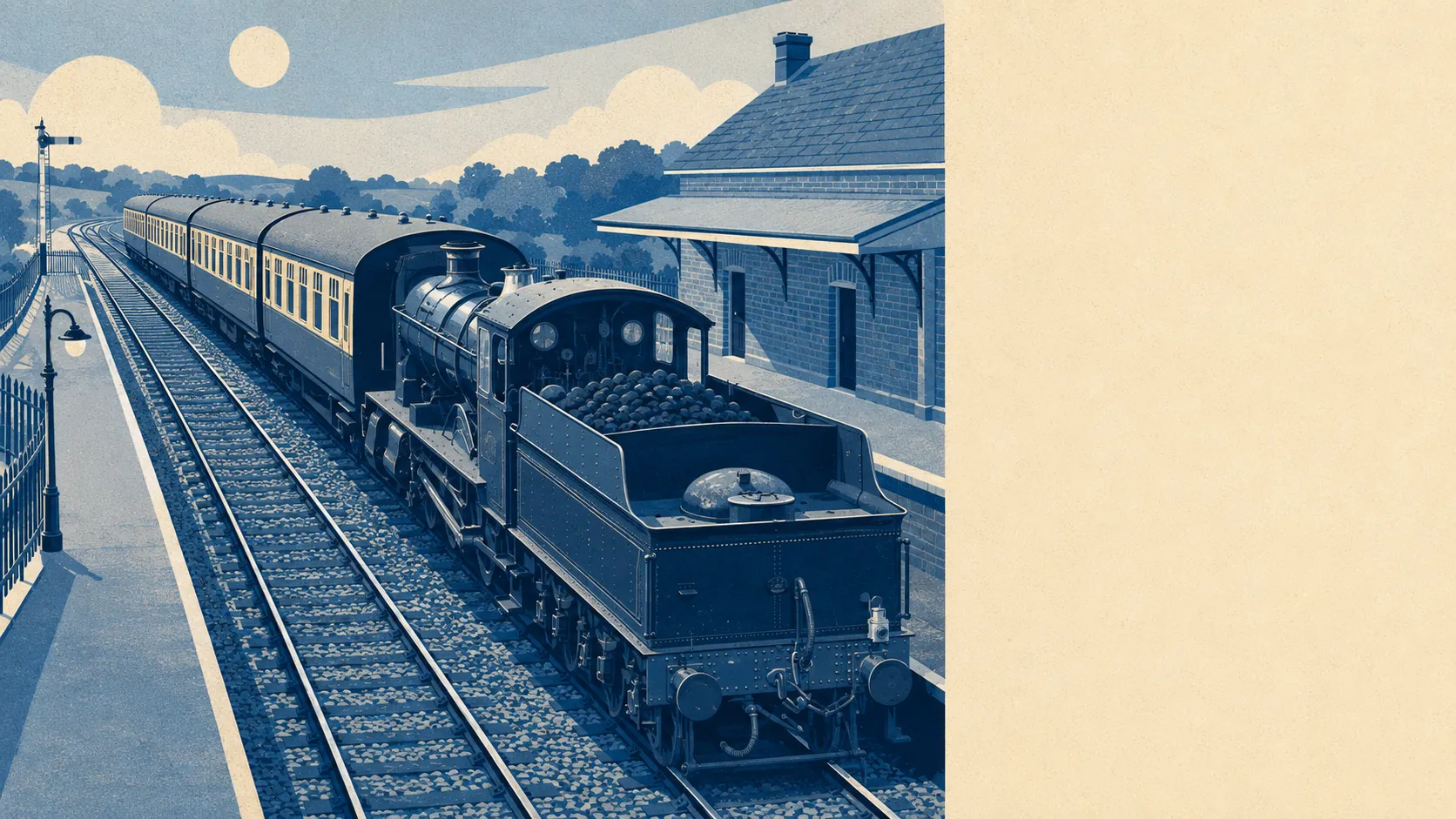
Connectivity is the weak point and nothing dresses it up. Around 59% drive to work, 28% work from home, 1% take a bus and nobody takes a train. Bishop's Lydeard Rail Station is a stop on the heritage West Somerset Railway, a visitor attraction rather than a way to get to an office. There are nineteen bus stops, thirteen with published timetables averaging about 71 weekday departures each and roughly three in the peak hour, and about 69% keep some weekend service, which is better than most villages of this size manage. Taunton town centre is about twenty minutes by car and around thirty-four by public transport on the same modelling. Superfast broadband reaches 99% of premises and nothing sits below the universal service minimum, but full-gigabit reaches about 34%. A village where more than a quarter of people work from home is doing it on the middle tier of the network, which is fine until two households on the same street both start a video call.
For water and green space the balance is comfortable. In the Environment Agency's river-and-sea flood zones, about 3% of the area falls in zone 3 and 2% in zone 2, rising to 11% once climate allowance is applied. On the broader postcode measure, which counts at least one flood indicator including surface water, 13% of postcodes carry a high rating, 15% medium and 34% low. One flood event is on record, in 1982, caused by a blocked culvert. Green space is the compensation: the average postcode sits about 130 metres from open space with around eight sites inside a kilometre, and water is about 170 metres away.
Heritage is present without being oppressive. There are 34 listed buildings, one at Grade I, two at Grade II star and 31 at Grade II, plus the Bishops Lydeard conservation area and the scheduled bowl barrows up on Cothelstone Hill. In practice that means a minority of owners need consent for windows, doors and extensions while most do not, and the conservation area is small enough that you will know which side of the line you are on before you offer.
The character follows from all of it. Around 74% own their homes, the median age is fifty, and household income modelled by the Office for National Statistics came to roughly £60,000 gross for the financial year to March 2023. This page also covers Crowcombe and West Bagborough, both further along the same hills, both quieter again, which takes some doing.
It suits people who already own a car and have stopped apologising for it, families who want space and a short walk to a primary, and anyone whose work happens at a desk in a spare room rather than at the end of a train line.
It does not suit anyone who needs a station that goes somewhere on a Tuesday, anyone under thirty hoping to rent something small and central, or anyone who wants a choice of anything after six in the evening.
The real strength here is the surrounding country and how close it starts to your own front door. The weak spot is getting anywhere: the roads carry the load, the bus is better than nothing and the trains are for tourists. Buy here if the drive is a price you have already agreed to pay, and do not buy here hoping the timetable improves.