The area around Bere Alston is the best argument the village has. Green space starts at the end of the drive. Every postcode sits inside a protected valley landscape. Old arsenic and copper workings have since been reclassified as ancient monuments, which is one way of dealing with an industrial past. This is countryside that spent a century being dug up and got its looks back.
Green space access is close to the maximum the measurement allows. The average home sits about 186 metres from a green space, with roughly nine separate ones within a kilometre. That is not a park at the end of a bus route. That is a place where the dog walk begins before the front gate has closed.
Water is a little further out. Blue space averages about 870 metres away, and the average postcode has fewer than one within a kilometre. The river is a destination here rather than a doorstep, which is exactly what you would expect of a village that was sensibly built on the high ground rather than the flood-prone bit next to it.
The National Cycle Network is the one outdoor asset that has not turned up. It sits an average of roughly 6,000 metres away, and none of the village's postcodes count as close to it. Lanes here are for cars and for cyclists prepared to share with them.
For everyday shopping and going out, the surrounding area carries 49 shop premises, 18 pubs and 4 restaurants on the rating list. Nearly five times as many pubs as restaurants is not an accident of measurement. It is a statement about how this part of Devon prefers to spend an evening.
On air, fine particle pollution across the West Devon council area averaged about 4.9 micrograms per cubic metre in 2024.
Every postcode in the village lies inside the Tamar Valley area of outstanding natural beauty, covering the whole place rather than a favoured corner of it. That designation is why the views survive and also why anything visible from the far side of the valley attracts more planning attention than it would elsewhere.
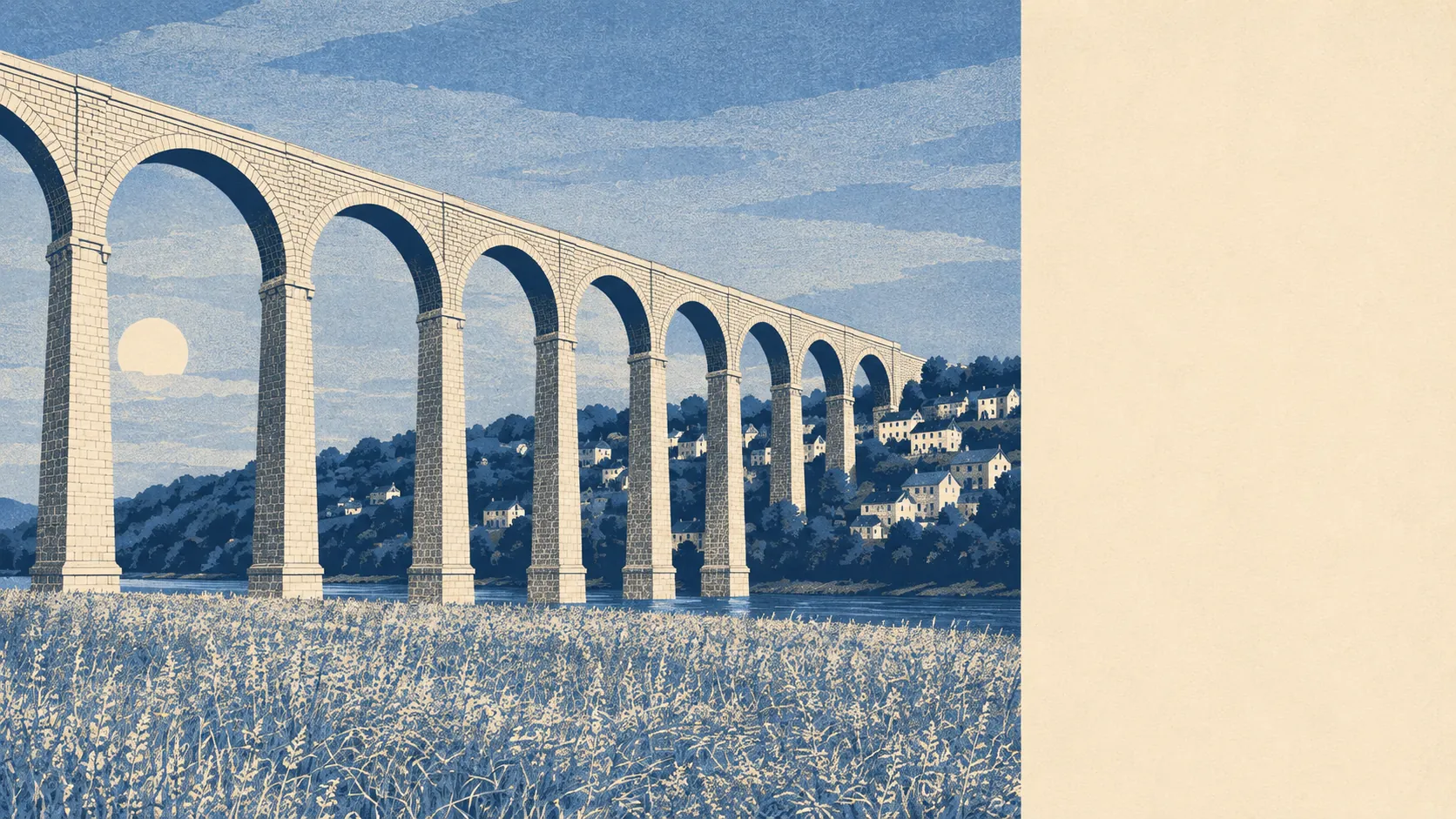
The character comes from what the valley has left lying around. Cotehele House and its gardens, Calstock Viaduct striding across the water, Morwellham Quay and the Gawton arsenic mine and flue, all within the same short stretch of river. Hamlets with names like Bohetherick, Tuckermarsh and Weir Quay sit between them, and conservation areas at Calstock and Bere Ferrers keep the rest looking roughly as it did. It is a landscape assembled from mining, market gardening and river trade, none of which pay the bills any more.
Private outdoor space is the part most listings never quantify properly. Gardens here run to roughly 242,000 square metres per thousand residents, which is the figure that tells you whether people actually have their own outdoor space rather than a good view of someone else's.
Commercially, the immediate area is small: the valuation list carries 29 rateable premises. Across the wider area there are also around 34 office premises and 51 holiday lets on the list. More holiday lets than pubs is the single most honest fact about the Tamar Valley economy. These are premises on a valuation list rather than businesses currently trading, so treat them as the shape of the place rather than a directory of what is open this week.
Of the 10 food premises with a published hygiene rating, about 70% hold the top score and none sits in the bottom band. In a place with this few options, that matters more than it would in a city where a bad result simply means walking to the next street.
Two honest absences are worth stating. No site of special scientific interest overlaps the village, and there is no ancient woodland within it. Neither is a failing. It means the protection here comes from the valley designation covering everything rather than from small pockets of specially designated ground.
If you buy Bere Alston for anything, buy it for what surrounds it. The green space, the river valley and the protected landscape are the strongest thing about the place by a distance, and everything else you weigh up is essentially the price of admission.