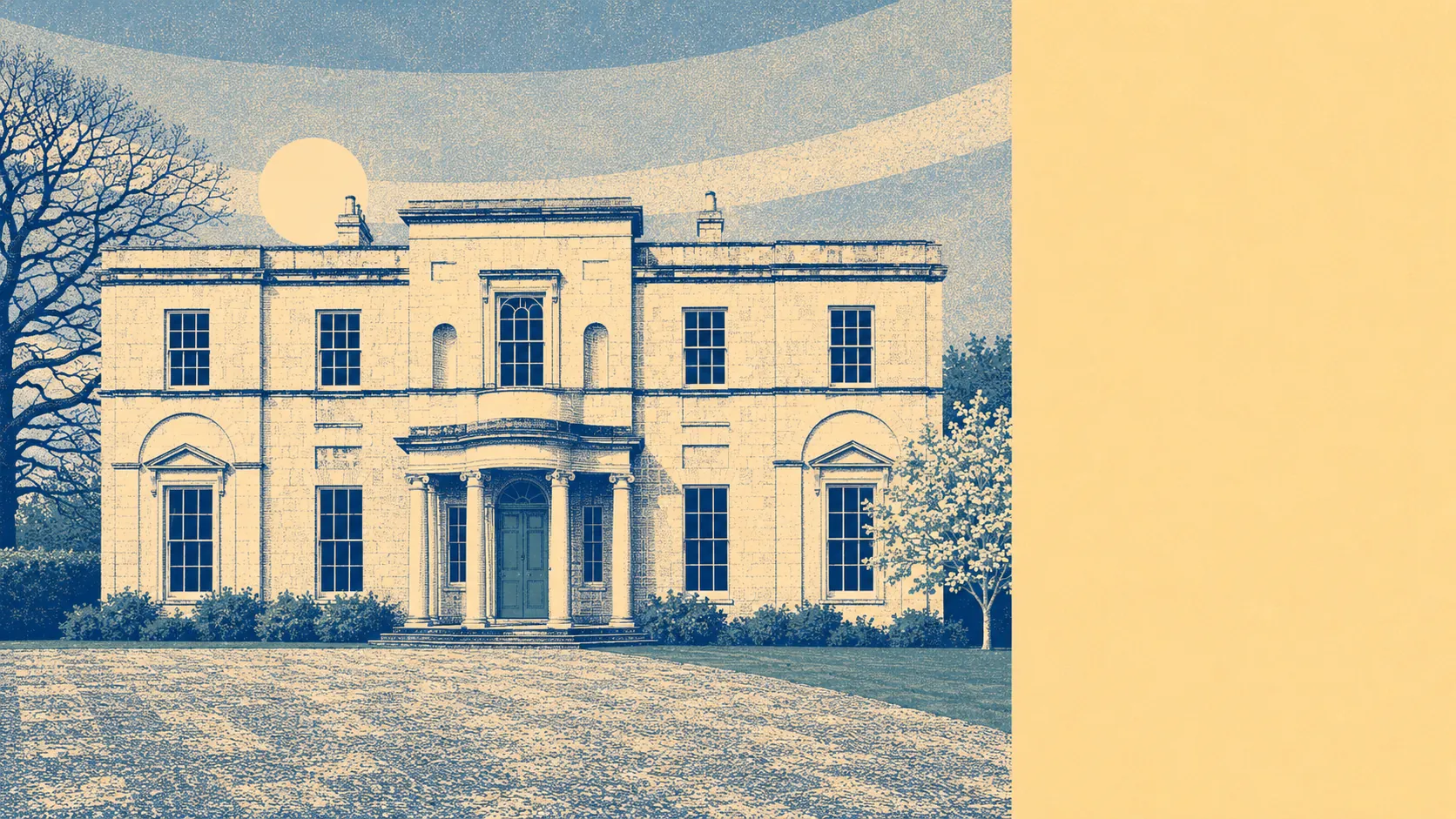
Yes, you can extend most houses in Backwell, because most of the village is ordinary housing that sits well outside the protected pockets. The whole parish holds only 31 listed buildings. There are three conservation areas, and they cover the historic cores rather than the bulk of the streets. The typical Backwell home went up between the 1950s and the early 1980s, which is far too recent and too plain to carry any heritage listing. More than 300 planning applications went through here in the past year alone, so extending and altering homes is routine, not exotic.
Start with the listed buildings, because they carry the tightest rules and the fewest homes. Across the parish there are 31 in total, of which just one holds the top grade and one the next grade down, leaving the rest at the standard grade of listing. The names on that list run heavily to churches, barns, and the grand old houses of the area rather than everyday family homes. If your property is one of the listed few, the rules bite hard: replacing windows, altering the roofline, or even some internal changes can need formal listed building consent, and refusals are common where the character of the building is at stake. The saving grace is arithmetic. With only 31 listed buildings in the entire parish, the odds that any given house is one of them are slim.
The three conservation areas are the more likely constraint for an ordinary buyer, and they sit at Backwell West Town, Backwell Church Town, and Backwell Farleigh. Inside those boundaries the normal freedoms to alter a house are trimmed back. Changes that would be automatic on a post-war street elsewhere, things like certain extensions, demolition of boundary walls, or work to protected trees, can require consent within a conservation area, and the council will weigh how any change reads against the historic setting. The point of the designation is to keep the character intact, so plans that would sail through on an open estate can meet friction here.
For most people the practical answer is straightforward. If your home is one of the many built in the second half of the last century and it sits outside the three conservation areas, the standard permitted-development freedoms apply and a sensible rear extension or loft conversion is the sort of thing this council processes all the time. The volume of applications going through, more than 300 in the last year, tells you the pipeline works and that homeowners here extend as a matter of course. Where you need to slow down is the older stock and the historic cores, where you should assume consent is required, budget for a longer timeline, and check the designation on the specific address before you commit to a design.
On the freedom to extend or alter, Backwell rates middling, about three out of five. Most homeowners can get on with the work they want with little more than the usual paperwork, while a minority in the listed buildings and conservation areas face real hoops and slower answers. It comes down entirely to which Backwell your front door is standing in.