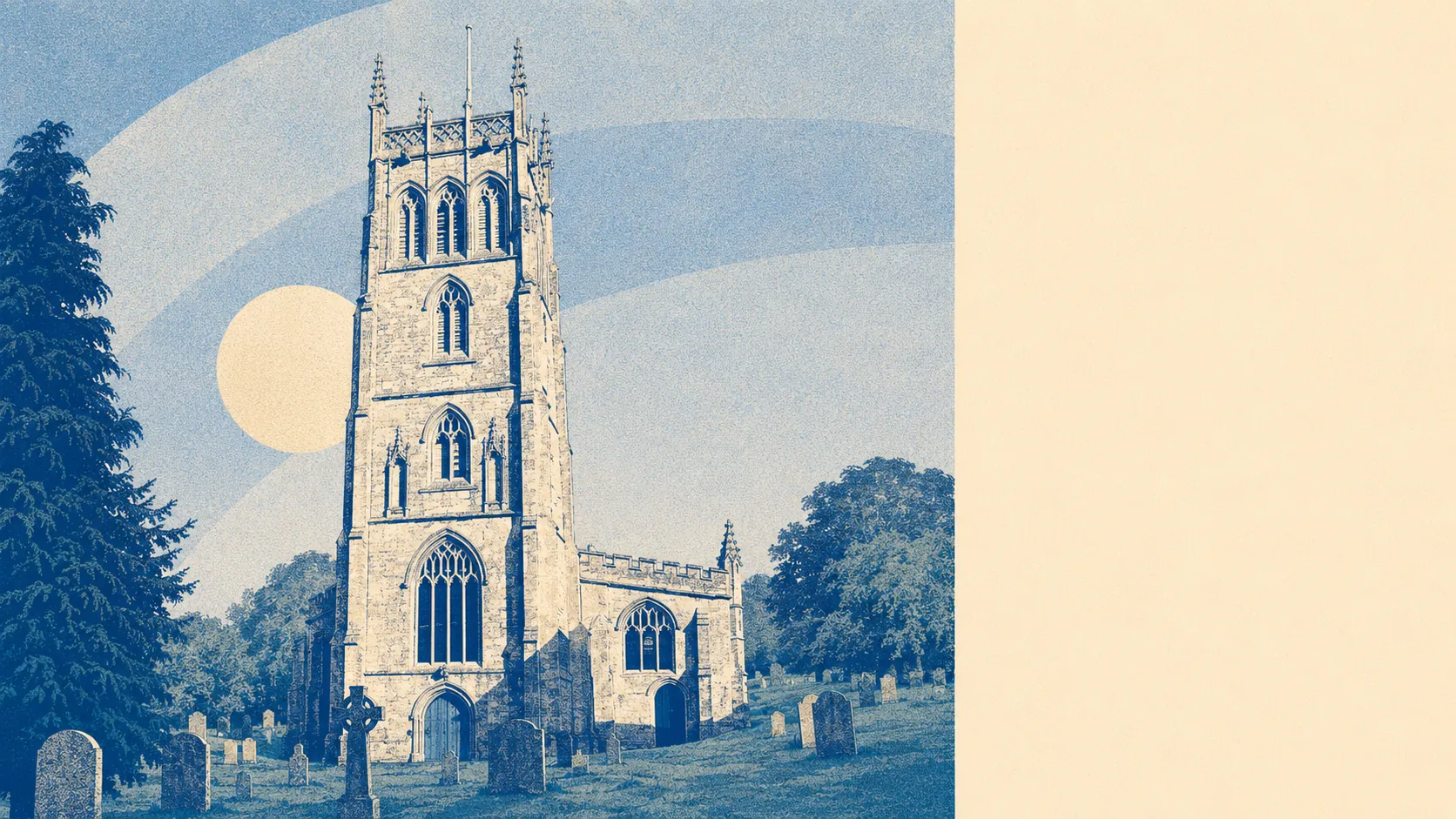
A Mendip village that retired before you did. The median resident is 53. More than eight in ten households own their homes. About four in ten work from home. Detached houses behind high hedges, superb broadband, and a diary that peaks at the parish notice board. This is not commuter Somerset pretending to be rural. It is the genuine article, and it charges accordingly.
The stock is houses, and mostly large ones. Around six in ten homes are houses, a quarter are bungalows, and only about one in six is a flat, which tells you exactly which buyer the village was built for. The energy ratings match the age of the walls. About a third of homes sit at band D, roughly one in five is band E or worse, and under half manage a C or better. The character you move here for is the same character that keeps the heating bills honest.
The typical home changed hands for about £525,000 over the past year, across just 84 sales. Detached houses set the tone at roughly £620,000. A semi runs to about £340,000, a terrace to around £260,000, and the handful of flats to about £110,000, which is the only door into the village under a quarter of a million. Council tax says the same thing a different way: the commonest band is D, and only about one in eight homes sits in the cheapest A and B bands. Winscombe measures itself against Chew Magna, and it prices like it.
Renting is not really what the village does, given how few homes are up for it. Across the wider North Somerset area the typical private rent runs at about £1,200 a month. That is an area figure rather than a Winscombe one, and in a place this owner-heavy the shortage of rentals tells you more than the average does.
The published crime rate is about 51 per thousand residents a year, which sits roughly 43 percent below the North Somerset average. For anyone arriving from a town, that is the number that seals the move. It is a low-crime village where the standing drama is a wheelie bin left out a day too long. The quiet is real, and it is most of the reason people stop locking the back door sooner than they probably should.
The railway made the place in 1869 and un-made the convenience in 1963, when the Beeching cuts closed the Cheddar Valley line and left a cycle path where the platform used to be. Today about one commuter in five hundred takes a train, because the nearest stations sit at Worle and Weston Milton and not in the village at all. What the twentieth century took in rails it handed back in fibre: gigabit broadband reaches around four in five homes, faster broadband covers almost everyone, and barely any postcode falls below the basic service standard. You will not catch a train from your doorstep, but you will hold a video call from the spare room without a stutter.
The setting is the product. The village sits on the western edge of the Mendip Hills, with more than a quarter of the area inside the Mendip Hills Area of Outstanding Natural Beauty and green space on average under 300 metres from the front door. Flooding is a modest, local concern rather than a headline: about one in ten postcodes carries a high surface-water risk, a quarter carry some low-level risk, and the river flood zones barely register. The old Strawberry Line, now a walking and cycling route, runs from the village towards the coast at Clevedon, the kind of amenity most places would build a campaign around and Winscombe just calls the way to Axbridge.
Old and protected travel together here. The area holds around 101 listed buildings, three of them top-grade, alongside three conservation areas. Lovely to live among, and less lovely to alter. Owners of the older housing learn that a window, a porch, or a solar panel can turn into a correspondence course with the conservation officer. The character you pay a premium for is the same character that decides what you are allowed to do with it.
The profile is settled and comfortable. More than eight in ten households own their homes, the median age is 53, and household income runs at about £62,000. This is a place people move to once and then stay, which is why the age skews toward the back half of a career rather than the start of one. Prosperous, low-churn, and quietly pleased with itself, and the data does not really argue.
The page also covers the neighbouring communities that share the postcode and the parish life: Churchill up the road with the secondary school, Sandford next door in the joint parish, and Shipham a little higher into the hills. Each keeps its own edges while drawing on the same shops, schools and Mendip air.
Winscombe suits the cash-rich downsizer and the settled remote worker: someone who wants clean air, low crime, a big garden and a fast connection, and who counts silence as an amenity rather than a fault. If that is you, the village delivers almost everything on the list.
It is wrong for anyone under forty chasing a nightlife, and wrong for anyone chasing a bargain. No station, no strip, no cheap way in. If you want something to actually happen, Weston-super-Mare down the hill does exactly what it says on the tin, and Yatton will sell you the same commuter-belt convenience for less than Winscombe will ever ask.
The village keeps quieter company than the price tags suggest. Mick Aston, the archaeologist who made trenches and stripy jumpers watchable on Time Team, lived and died here, and once led a detailed historical study of the parish itself. The cricketer William Whicher Cookson and the writer and entertainer Fannie B. Linderman both ended their days in the village too. Winscombe also carries a real sorrow in its record: in 1973 many residents were lost in the Invicta International Airlines disaster, still the worst aviation accident in Swiss history, a grief the parish shared with Axbridge and Cheddar.
Overall this is an above-average place to live, and the scoring lands at three and a half out of five. Its strongest suit by a distance is the community itself, settled and prosperous and safe, a clean five out of five. Its weakest is exactly the one you would guess, house prices and value, at two, because everything good about the village is already in the price. It aspires to Chew Magna, sits safely duller than Frome, and costs more than Yatton ever will. Buy in if silence is the amenity you want.