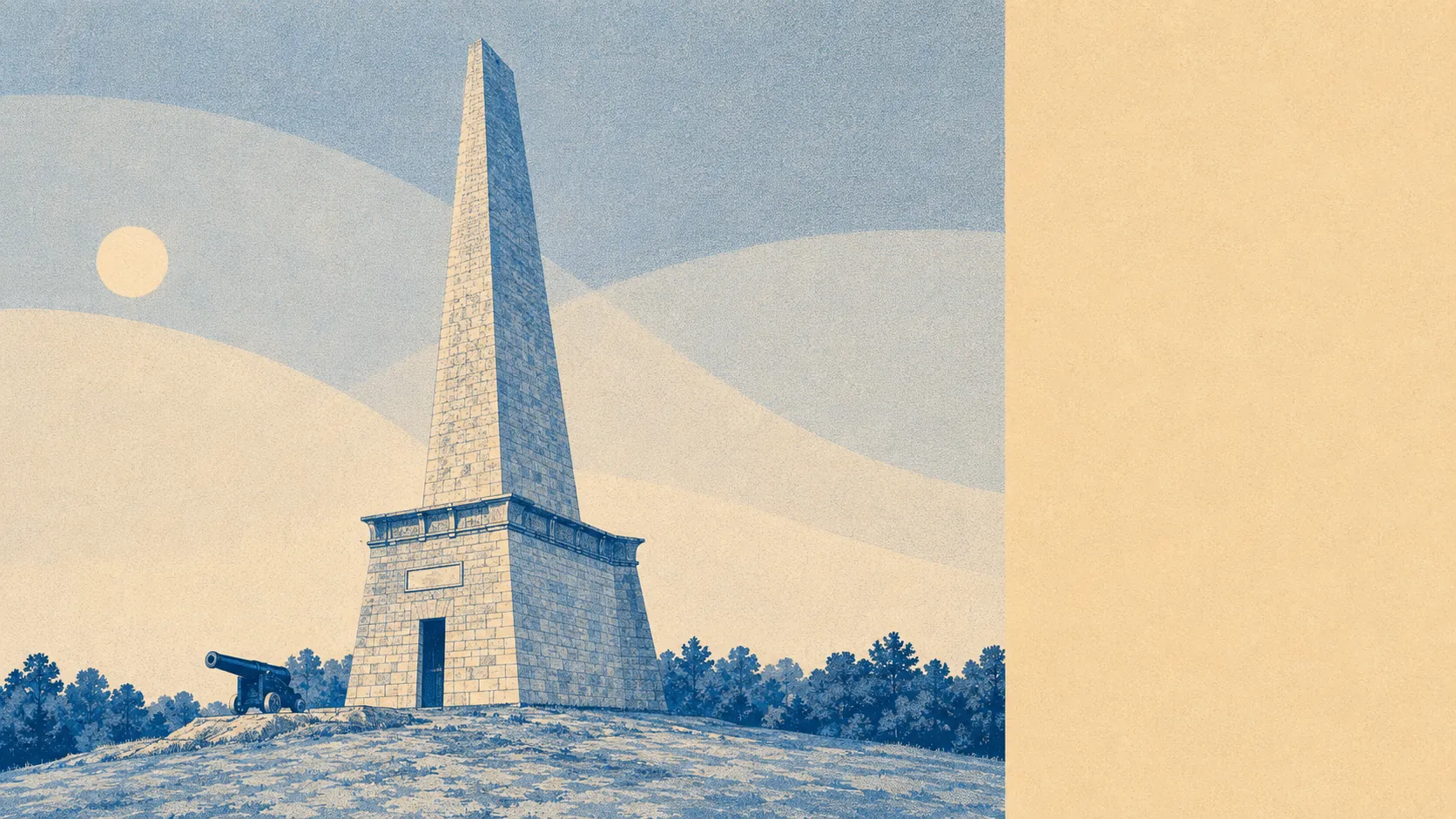
Green in the working sense rather than the postcard sense. Open space starts a short walk from the average front door, and there is a lot of it. Water is close too, the hills that mark the Devon border sit just to the south, and nobody has ever put a brown tourist sign on any of it. This is countryside that people live in rather than visit. The town has the amenities to match, which is to say a proper high street rather than a heritage experience.
The green-space access is the standout fact about living here. The average postcode sits around 104 metres from open green space, with around 31 separate green spaces within a kilometre. That is not one big park doing all the work. It is a scatter of small stuff, the sort of arrangement where the dog walk is different on Tuesday from Sunday without anyone getting in the car.
Water is nearly as close. The average postcode is around 384 metres from blue space, with around 23 separate bits of water within a kilometre. The River Tone runs through the parishes here, the Grand Western Canal reached the town in 1835, and the legacy of both is that you are rarely more than a few streets from something wet. The Local Nature Reserves at Wellington Basins and Swains Pond are the formal versions, the latter holding great crested newts, palmate newts and toads, which is more amphibian variety than most towns can claim.
Cycling is the weaker link in the outdoors story. The nearest National Cycle Network route averages around 2,200 metres away, and no postcodes in the area sit close to it. Plenty of lanes, plenty of hills, no signed national route on the doorstep.
The high street is a real one. The rating list carries 382 rateable premises across the area, including 123 shops, 82 offices, 16 pubs and 9 restaurants. Pubs outnumbering restaurants by that margin tells you what sort of night out this town was built for. There are also 36 holiday lets, which is enough to notice and nowhere near enough to hollow anything out.
Eating out is safer than the pub-to-restaurant ratio might suggest. Of the 65 premises with a published food hygiene rating, around 79% hold the top score and around 3% sit at the bottom of the scale. Those bottom few are not named here, and anyone who wants to know can look up a specific place before booking.
Air quality is unremarkable in the good way. Fine particle levels across the Somerset council area came in at around 5.5 micrograms per cubic metre in 2024. That is a council-wide figure rather than a Wellington one, and it is the sort of number that only becomes interesting when it is much higher.
Private outdoor space is the part that never makes it into these descriptions and probably should. Across the ten neighbourhood areas here, gardens run to around 163,000 square metres per 1,000 residents. Wellington is a town of houses with gardens, which is a different proposition from a town with good parks and nothing behind the back door.
The surrounding settlements do the rest of the work. Rockwell Green sits just west with a green wedge still separating it from the town, Tonedale and Tone carry the old mill geography, and the ring of villages runs out through West Buckland, Nynehead, Langford Budville, Bradford-on-Tone, Hillfarrance, Milverton, Chelston and Holcombe Rogus. Conservation areas cover several of them, which is why they still look like villages rather than estates with names.
Worth being straight about one absence. None of this landscape carries a national designation: no area of outstanding natural beauty overlapping the area, no site of special scientific interest, no ancient woodland. That is not a fault, and in practice it is closer to an advantage. What you get is unbranded countryside, unmanaged by anyone's visitor strategy, without the coach parties that follow a designation around.
The setting is far and away the best thing Wellington has. Green space at the end of the street, water a few minutes past that, hills on the horizon, gardens behind the houses, and not a single gift shop built to sell any of it back to you.