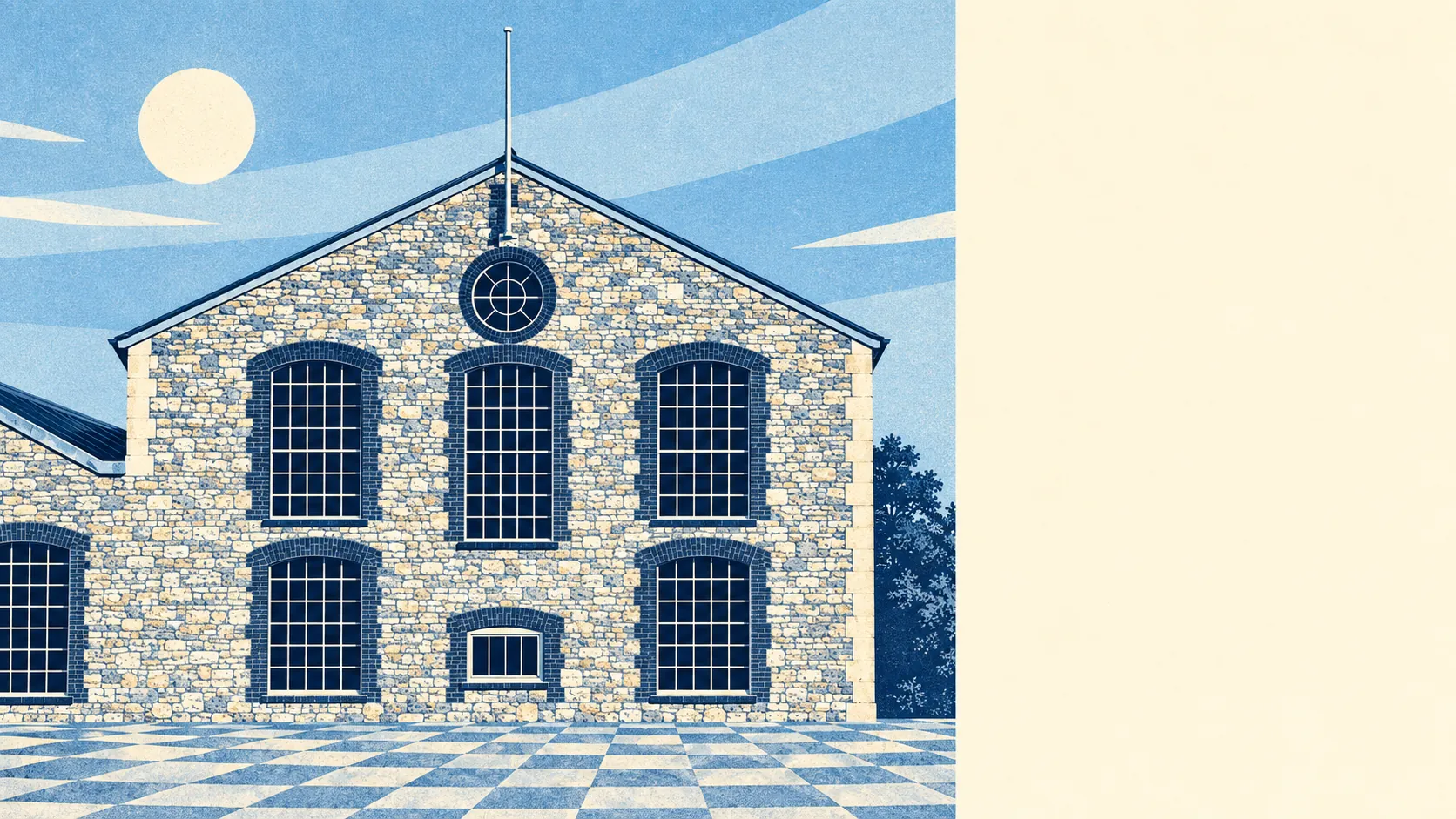
Yes, if you want a salary and a garden more than a postcard. Six in ten own their homes. A semi-detached house still costs less than a London deposit. There's a park round the corner from almost every front door. Nobody moves to Swindon for the romance. They stay because the sums work out.
Swindon was built as a working town, and its housing still shows it. Terraces make up about 35% of the valuation list, semis 21%, flats 21%, detached houses 18% and bungalows 5%. Only about 17% of homes were built before 1930, which is surprising for a place famous for its Victorian railway village. Brunel's cottages are the postcard, but the post-war estates and the newer northern suburbs make up most of the town. About 61% of certificated homes rate A to C for energy, and only 7% sit at E or worse, so most viewings won't come with a draughty-sash lecture. Heating is mostly mains gas, at about 78% of homes. About 10% are electric-only, and in an older conversion that is worth asking about before you fall for the cornicing.
The Land Registry's figures for the year to May 2026 put the typical sale at about £265,000. Flats went for around £145,000, terraces £240,000, semis £296,000 and detached houses £400,000. That gap between the terrace and the detached house is where most Swindon arguments about "moving up" happen. Council tax is gentle by southern standards: band B is the most common, and about 44% of homes sit in bands A or B.
Renting costs about £1,080 a month, the typical private rent across the Swindon area as of April 2026. That is a borough-wide figure, not a street-by-street one, so a flat near the station and a four-bed in Priory Vale are both hiding inside it.
Recorded crime ran at about 91 per 1,000 residents in the year from June 2025 to May 2026, roughly 4% above the local-authority average. The town makes up most of the borough, so it is being compared mostly with itself, and the quieter villages around it pull the borough average down. Violence and sexual offences made up about 38% of recorded crime, against 35% nationally, and anti-social behaviour 19% against 16%. That is town-centre crime, and most of it happens late on a Friday or Saturday night. It is not the crime of the cul-de-sacs.
Schools are one of the better arguments for the place. Across the borough, Ofsted has graded 38 of 46 settings good or better, 3 of them outstanding. Primary pupils in the area average about 104 in the Key Stage 2 maths assessment, and the 12 secondaries covered average an Attainment 8 score of about 45. The secondary list includes The Commonweal School, Lawn Manor Academy and St Joseph's Catholic College. UTC Swindon and New College Swindon give older teenagers something other than a sixth form in the building they've been sick of since Year 7. Check the catchment before the kitchen. The allocation rules don't care how much you like the kitchen.
Connectivity looks good on paper, and the paper is honest. Swindon Rail Station sits on the main line to London and Bristol, yet under 1% of working residents commute by train at the last census. About 46% drive and about 30% work from home, which says the jobs are in Swindon's own business parks, not at Paddington. There are 951 bus stops, averaging about 100 departures each on a weekday. The town centre is about 19 minutes by public transport and 11 by car. Gigabit broadband reaches about 97% of premises, so a remote worker can take the Monday video call without a buffering apology.
Flood risk is mostly a surface-water story. About 13% of postcodes are rated high risk on at least one flood indicator, and that includes surface water. In the Environment Agency's river-and-sea flood zones the shares are small: about 2% in zone 2 and about 1% in zone 3. Put the exact address into the long-term flood-risk checker anyway. Green space is Swindon's quiet win. The average home is roughly 130 metres from green space, with about 26 green spaces within a kilometre. Queen's Park and the Town Gardens are the registered set pieces, and there is parkrun every Saturday at Lydiard Country Park.
History gets in the way of building work. The area holds 282 listed buildings, 5 of them Grade I and 11 Grade II*, plus 13 conservation areas. Swindon Old Town and Swindon's Railway Conservation Area are the two most likely to catch a buyer out. If you're buying in the railway village, the planning office will have views on your windows, and those views were settled a long time before you moved in.
About 61% of households own their home. The median resident is 38. Median gross household income was about £54,500 in the financial year to March 2023. That is a working-age town with working-age money, which is why the supermarkets are busy at seven in the evening rather than ten in the morning.
The page stretches well beyond the ring road. West Swindon, Priory Vale, Haydon Wick and St Andrews are the big suburban blocks. South Marston, Wanborough and Liddington sit on the eastern edge, and Lydiard Millicent and Broad Town to the west. Cricklade, Castle Eaton, Marston Meysey and Ashton Keynes are up by the Thames, with Shrivenham, Ashbury, Bishopstone, Hinton Parva and Broad Hinton out towards the downs.
Swindon suits buyers who want a proper house on a normal salary, families who put schools and parks above nightlife, and remote workers who need fibre and an occasional fast train. It rewards people who judge a town on a wet Tuesday rather than on its Instagram.
It suits people less if they want a historic high street to stroll on a Sunday, or plan to rebuild a railway cottage however they fancy. Anyone who needs the town centre to feel lively after dark will find its best nights are at the County Ground.
Swindon's history is better than its reputation. Alfred Williams worked as a hammerman in the railway works and wrote about it. The works rolled out Evening Star, Britain's last steam locomotive, in 1960, then shut in stages until 1986. The Mechanics' Institute ran the country's first lending library for the men on the shop floor. Diana Dors came from here, and so did Rick Davies of Supertramp. Julian Clary lived in Rodbourne. The town produces glamour now and then. It just doesn't make a fuss about it.
Swindon is a good place to live, and a better one than the jokes suggest. Its real strength is its surroundings: green space close to almost every home, with the downs and the Thames villages a short drive out. The weak spot is the freedom to alter your home, because the old railway streets and the Old Town come with the heritage rules attached. Buy the semi, walk to the park, and let the rest of the country keep its jokes.