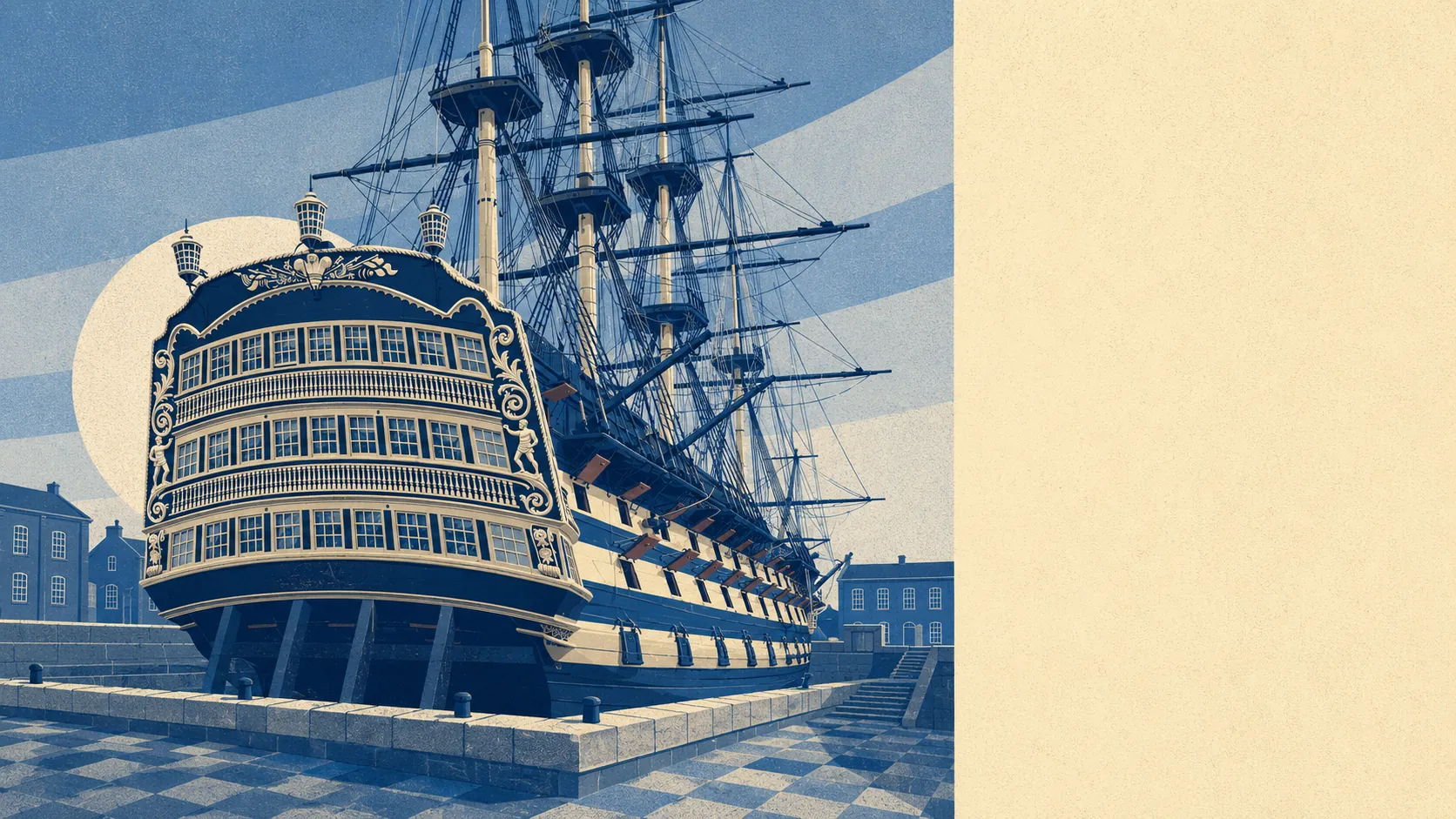
Water on three sides, a chalk ridge on the fourth, and parkland wedged into every gap the Victorians left. Green space starts under two hundred metres from the average front door. Water is a short walk further. Most homes have dozens of green spaces inside a kilometre. For a city carrying no protected landscape designation whatsoever, it is unreasonably easy to get outside here.
The green space figures are the strongest thing in this brief. The average postcode sits about 160 metres from green space, with roughly 30 separate green spaces within a kilometre. That is not one big park doing the work for everybody. It is Victoria Park in the centre, Southsea Common along the front, Great Salterns toward the eastern shore, Farlington Marshes at the top of the island, and Staunton Country Park further out at Leigh Park, plus the small stuff nobody photographs. In a city this tightly built, the parks are not decoration. They are the only reason the density is bearable.
Water sits about 660 metres away from the average postcode, with around 27 stretches of blue space within a kilometre. Portsmouth Harbour on one flank, Langstone Harbour on the other, the Solent along the bottom. Living somewhere where the tide is a fact of daily life rather than a weekend outing changes what a walk is for.
For getting into it under your own power, the National Cycle Network runs about 520 metres from the average postcode, and roughly 54% of postcodes sit close to it. There is no ancient woodland in the area at all, which is what happens when a place spends nine centuries being a naval base rather than an estate.
The high street, measured as premises on the valuation list rather than as businesses currently trading, comes to 2,492 shops, 212 restaurants and 183 pubs, alongside 1,558 offices and 106 holiday lets, out of 6,664 rateable premises overall. Some of those units are empty on any given morning, as they are everywhere, but the ratio tells you what kind of place this is: a working city with a retail spine, not a resort with a promenade of gift shops.
On eating out, 1,420 premises carry a food hygiene rating, of which about 63% hold the top score and around 8% sit at the bottom end. That bottom fraction is worth ten seconds on the rating checker before you book somewhere on the strength of the frontage.
Air quality for the council area came in at about 6.6 micrograms of fine particles per cubic metre in 2024. That is a council-wide figure covering the ring road and the ferry port along with the quiet streets, so it describes the city rather than any particular window.
Private outdoor space is the part these summaries usually skip. Gardens run to roughly 42,500 square metres per 1,000 residents, which for a city of terraces means most homes do have something out the back, and most of those somethings are small. Yard rather than lawn, bins rather than trampoline. The compensation is that the park is nearer than the garden centre.
There is no area of outstanding natural beauty here, no site of special scientific interest overlapping the area, and no ancient woodland. That absence is honest rather than damning. It means nothing around here is protected for its scenery, and everything green you can see survived because someone decided a city needed it, which is a different and slightly more human reason.
The surroundings are Portsmouth's outstanding feature and the one thing nobody argues about. A city this crowded should not have water at the end of the road and thirty green spaces within a kilometre, and the fact that it does is what makes the rest of the trade-offs worth making.