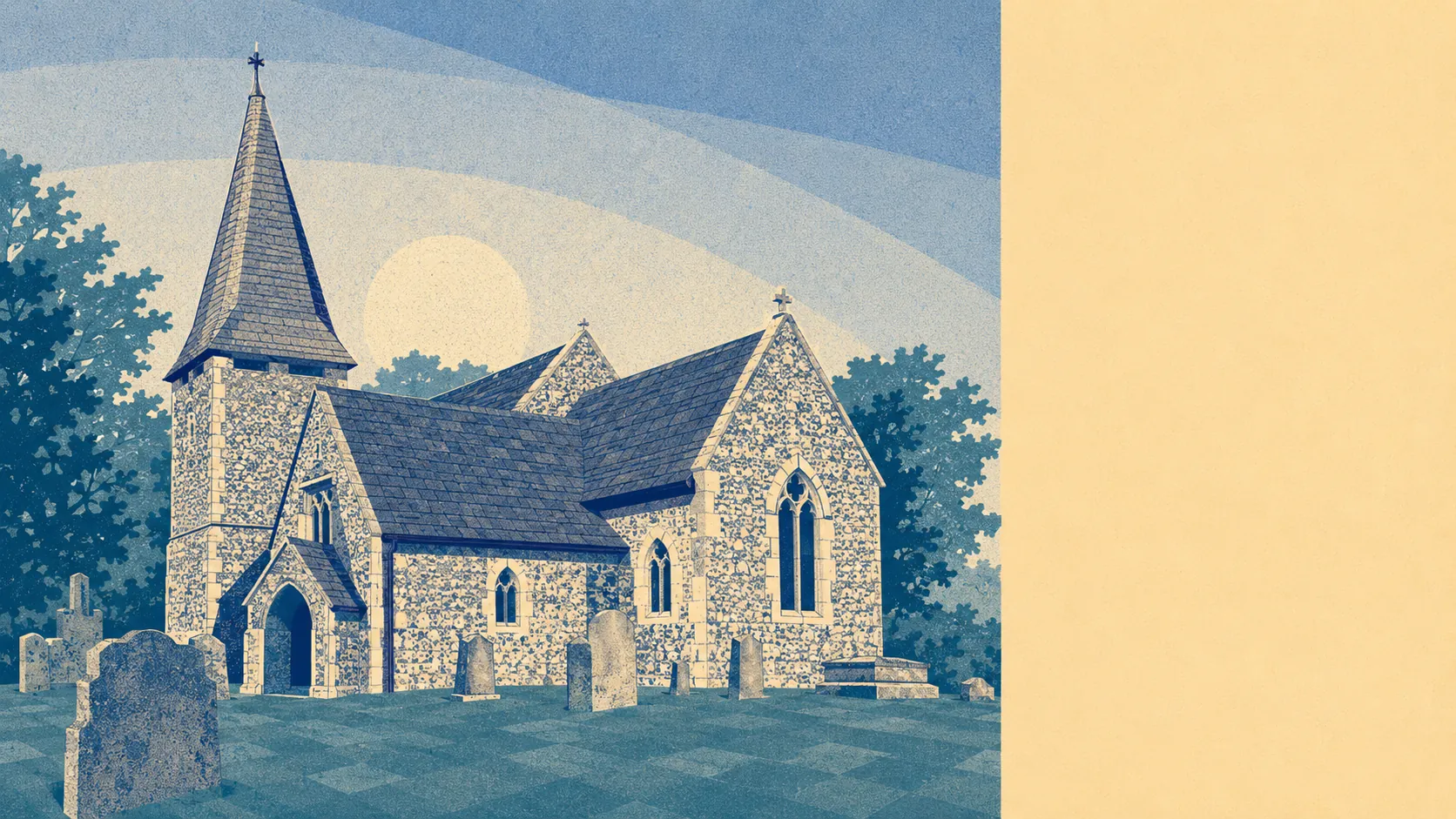
For most homes, yes, within reason and within the planning system's patience. Nursling is not one great protected zone, so the average house on an ordinary street can extend much as it would anywhere else. The complication is that the area carries a fair weight of heritage, roughly ninety listed buildings and a run of conservation areas, and if your home sits inside one of those, the rules stiffen sharply. The honest answer depends less on Nursling in general and far more on the exact address and whatever protective label happens to be attached to it. Check the label before you fall in love with the loft conversion.
Take listing first, since it is the hardest constraint to argue with. The area holds around ninety listed buildings, the overwhelming majority of them grade two, with only a couple at the top grade one level and a small handful at the grade two star rung in between. If your house is one of them, listing covers the whole building inside and out, which means alterations that would be routine elsewhere, new windows, internal walls, an extension, even some kinds of repair, need listed building consent stacked on top of ordinary planning permission. It is not a ban on change. It is a demand that you change sympathetically, slowly, and with someone from the council forming an opinion about your choice of window frame. Most listed homes here sit at grade two, the least restrictive tier, and least restrictive still is not the same as relaxed.
Then there are the conservation areas, of which the wider patch has around seven. These protect the character of a whole street or district rather than a single building, and they commonly tighten the controls on demolition, on felling or lopping mature trees, and on visible external changes such as cladding, roof alterations and anything that reshapes the front of the house. A property that would enjoy generous freedoms on an unremarkable modern estate can find those freedoms quietly trimmed simply because of the postcode it shares. The whole point is the collective look of the place, and your rear extension gets judged partly on how much it upsets that look.
In practice this splits the area into two very different experiences. If your home is unlisted and outside a conservation area, the usual permitted development rights apply, and a sensible single-storey extension or a loft conversion is often achievable without a full planning fight. If it is listed or inside a conservation area, assume you need consent for far more than you would expect, fold the extra time and professional fees into the budget from the start, and treat the word permitted with open suspicion. The only reliable move is to confirm the specific property's status with the council before you commission so much as a single drawing.
The blunt verdict is a two out of five for freedom to alter, which reflects a place carrying more protected history than most of its size. Plenty of ordinary Nursling homes can extend without drama, but the heritage layer is thick enough that a good number simply cannot, and which camp you land in is decided entirely by the address on the deeds.