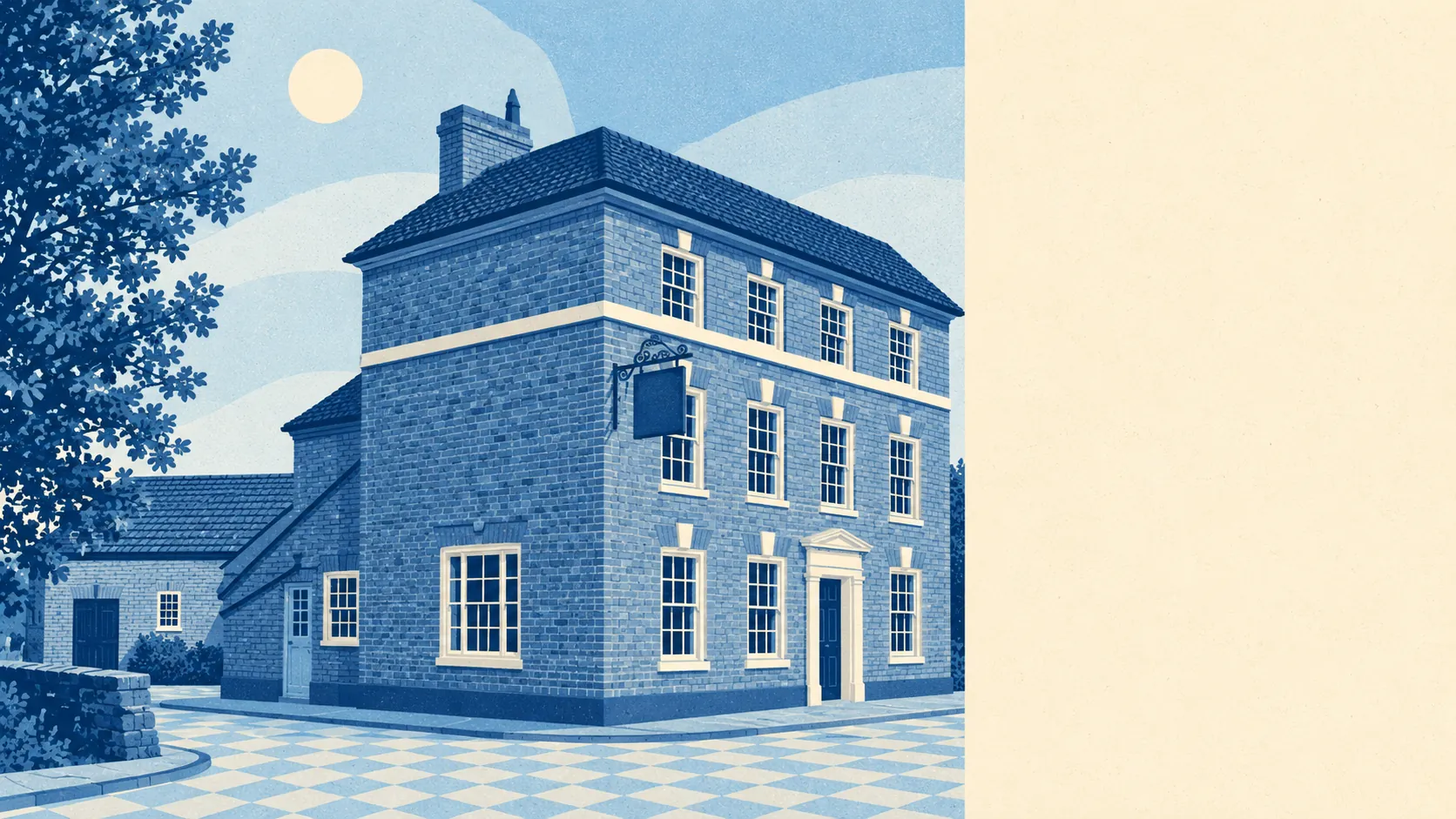
Maresfield is a good place to live for people who have already won. Eight in ten own their home. The typical resident is in their mid-fifties. The typical house sells for north of six hundred grand. This is where people come after climbing the property ladder, not somewhere to start.
The housing is mostly detached houses. On the council-tax valuation list, about 44% of homes in the Maresfield area are detached, 20% semi-detached, 13% bungalows, 10% terraced and 6% flats. Around 37% were built before 1930, and 46% of households have four or more bedrooms. The energy certificates are less kind. About a third of certificated homes sit in bands A to C, a similar share in band D, and 36% in band E or worse. Only about a third of homes are on mains gas, and 8% heat with electricity alone. An old detached house off the gas main is how a lot of village buyers learn what a winter heating bill really costs. Ask what fuel heats the house before the viewing, not after the survey.
The Land Registry recorded 32 sales in the twelve months to May 2026, at a median of about £609,000. The 22 detached sales went for around £680,000, the seven semis for around £455,000 and the three terraces for around £327,000. Three terraced sales is barely a market. The most common council-tax band is G, and only 8% of homes sit in bands A or B. Cheap homes are rare here, and the few that come up tend to get bought fast.
Renting is a minority pursuit. About 8% of households rent privately and 9% from a social landlord. The typical private rent across the Wealden area was about £1,260 a month in April 2026. That's a district-wide figure, not a Maresfield one. Across Wealden, detached houses rent for about £1,850 a month, and detached houses are most of what Maresfield has. A renter hoping for village life on a flat budget will find the village has hardly any flats.
Crime is low and stays low. The published rate for the Maresfield area was about 44 crimes per 1,000 residents in the year to May 2026, roughly 20% below the Wealden average. Anti-social behaviour makes up about 24% of recorded incidents against 16% nationally, but the totals are small enough that a few incidents move those shares by several points. One bad summer on a bench can rewrite the whole breakdown. It shouldn't decide where anyone buys.
Getting around means driving. At the 2021 Census about 49% drove to work, 41% worked from home and about 1% took the train. The nearest stations are Uckfield Rail Station, Buxted Rail Station and Crowborough Rail Station, none of them in the village. The Department for Transport's 2019 modelling put the nearest town centre about 14 minutes away by car and 29 minutes by public transport. There are 56 bus stops, and the ones with timetable data average 67 weekday departures, with weekend services too. About two thirds of households still run more than one car, which says what people make of the bus. Superfast broadband reaches about 92% of premises and gigabit only 32%. For the four in ten working from home, that gigabit figure matters more than the rail network ever will.
The surroundings are the reason to be here. About 56% of the area sits inside the High Weald Area of Outstanding Natural Beauty, and the Ashdown Forest Site of Special Scientific Interest touches the northern edge. The average home is about 380 metres from green space, with around six green spaces within a kilometre. On flooding, less than 1% of the area falls in the Environment Agency's highest river-and-sea flood zone. Measured by postcode, about 5% sit at high risk and 6% at medium on at least one flood indicator, surface water included, so check the exact address rather than trust the village average. Radon is in the lowest band. The forest costs nothing to use, and almost nothing else here is cheap.
Heritage rules apply to a real share of homes. The area has 77 listed buildings: two Grade I, five Grade II* and 70 Grade II. There's one conservation area, covering Maresfield itself, plus three scheduled monuments nearby. Inside a conservation area in a protected landscape, a plan for plastic windows or a bold extension gets a slow, polite review. If your renovation plans involve bifold doors on a listed cottage, expect to argue for them.
The people match the prices. About 82% of households in the Maresfield area own their home, the median age is 55, and the modelled median household income was about £67,700 before tax in the financial year to March 2023. Around 37% of adults hold a degree. The page also covers Horney Common, which shares the same postcode and much the same profile. For most households here, the school run ended years ago.
It suits the buyer with equity, a car or two and a reason to stay home: someone who works remotely, retires early, or walks a dog in Ashdown Forest every morning and calls that the commute. It also suits families who want a big detached house and don't mind driving everywhere. Crime is low, and the countryside starts at the end of the drive.
It doesn't suit first-time buyers, anyone without a car, or a renter on a single income. It doesn't suit anyone who needs a train to be part of their day. If you want a high street, Uckfield sits just to the south: you swap the forest on your doorstep for shops and a station within walking distance, and that trade is fair both ways.
Maresfield is a better-than-average place to live, as long as the entry price doesn't rule you out first. Its real strength is the surrounding countryside: forest, protected landscape and green space closer than the nearest shop. The weak spot is value, because very little here comes up at a price a young buyer can reach. It's a place people buy into after the difficult years, and they seldom leave.